

Toddlerhood represents one of many essential tough however fascinating developmental ranges in a child’s life. Between the ages of 1 and three, kids bear quick cognitive, emotional, and bodily changes that all the time manifest as tough behaviors. These behaviors, whereas irritating for parents, are often common developmental milestones fairly than indicators of poor parenting or underlying points. Based mostly on evaluation from the Centers for Disease Control and Prevention, understanding the premise causes of toddler habits factors is the first step in direction of implementing environment friendly choices that create a further harmonious home environment.
The developmental interval between 12 and 36 months brings dramatic changes in a toddler’s functionality to talk, switch independently, and assert their preferences. Nonetheless, their emotional regulation talents lag significantly behind their needs and ambitions. This developmental mismatch creates the appropriate storm for toddler behavior problems which will check out even basically essentially the most affected particular person caregiver. The good news is that almost all toddler habits points is likely to be efficiently managed with fixed strategies, environmental modifications, and a deeper understanding of child enchancment guidelines.
The Science Behind Toddler Behavior Problems
Toddler brains are current course of excellent transformation, with neural connections forming at an unprecedented worth. The prefrontal cortex, which governs impulse administration, emotional regulation, and decision-making, stays largely undeveloped all through these early years. This neurological actuality explains why toddlers wrestle to manage their emotions, await what they want, or understand penalties. Evaluation revealed by the American Academy of Pediatrics demonstrates that toddlers lack the cognitive functionality to manage or deliberately misbehave in the best way during which adults might understand these concepts.
All through this developmental window, toddlers experience intense emotions nevertheless possess restricted vocabulary and communication talents to specific their feelings appropriately. When a toddler cannot articulate frustration, hunger, tiredness, or overstimulation, these unmet desires sometimes emerge as tantrums, aggression, or defiance. Understanding this primary disconnect between what toddlers actually really feel and what they may speak transforms how caregivers interpret and reply to toddler behavior problems.
The concept of “developmental appropriateness” turns into important when evaluating toddler habits. What appears as defiance might very nicely be age-appropriate boundary testing, a compulsory ingredient of rising autonomy and self-identity. Teen enchancment consultants at Zero to Three, a primary group centered on toddler and toddler enchancment, emphasize that behaviors like saying “no,” testing limits, and asserting independence are healthful developmental milestones fairly than points requiring punishment.
Frequent Toddler Conduct Points and Their Underlying Causes
Tantrums and Emotional Meltdowns
Tantrums signify possibly basically essentially the most recognizable toddler habits downside, occurring with peak frequency between 18 and 24 months. These emotional outbursts happen when toddlers actually really feel overwhelmed, pissed off, drained, or unable to talk their desires efficiently. Not like calculated habits designed to manage adults, tantrums signify actual emotional dysregulation stemming from an underdeveloped nervous system.
Plenty of triggers can precipitate tantrum habits, along with hunger, fatigue, overstimulation, transitions between actions, or simple frustration with developmental limitations. A toddler struggling to swimsuit puzzle objects collectively may dissolve into tears not from laziness nevertheless from the true cognitive downside of spatial reasoning combined with restricted great motor talents. Environmental elements resembling busy procuring amenities, loud noises, or disrupted routines can overwhelm a toddler’s restricted functionality for sensory processing, resulting in behavioral breakdown.
Also read about: Improve Communication with Children: A Full Info for Dad and mother and Caregivers
Aggression: Hitting, Biting, and Pushing
Bodily aggression in toddlers sometimes shocks and points mom and father, nevertheless these behaviors often stem from communication limitations fairly than malicious intent. When toddlers lack phrases to specific “I would love that toy,” “I would love home,” or “I’m feeling overwhelmed,” they could resort to bodily actions as their essential communication software program. Evaluation from Child Mind Institute signifies that aggressive behaviors peak all through toddlerhood and often decrease as language talents develop.
Biting represents a really distressing sort of toddler aggression that occurs principally between 13 and 24 months. Toddlers may chunk all through teething discomfort, when exploring their environment by oral investigation, or when experiencing intense emotions with out verbal retailers. Context points significantly—biting all through play differs mainly from biting triggered by frustration or sensory overload. Understanding the motivation behind aggressive acts permits extra sensible intervention strategies.
Defiance and Power Struggles
The toddler “no” part represents a significant developmental milestone in autonomy formation. When toddlers resist instructions, refuse cooperation, or insist on independence previous their capabilities, they’re actively establishing their sense of self as separate from caregivers. This developmental essential drives behaviors that superficially resemble defiance nevertheless actually signify healthful identification formation and boundary testing.
Power struggles sometimes intensify spherical daily routines—getting dressed, mealtime, bedtime, and transitions. These conflicts often escalate when caregivers and toddlers every actually really feel the need to “win” fairly than discovering collaborative choices. Based mostly on developmental psychologists at Harvard Center on the Developing Child, these conflicts current valuable alternate options for instructing negotiation, compromise, and problem-solving talents when handled appropriately.
Sleep Resistance and Bedtime Battles
Sleep-related habits points plague many toddler households, with resistance manifesting as refusal to go to mattress, frequent evening time wakings, or terribly early morning rising. These factors sometimes stem from developmental changes along with separation nervousness, elevated independence drives, transitioning from cribs to beds, or pure shifts in circadian rhythms. The Nationwide Sleep Foundation’s evaluation signifies that toddlers require 11-14 hours of sleep per 24-hour interval, nevertheless attaining this amount proves tough for lots of households.
Sleep resistance may replicate inadequate wind-down routines, overstimulation sooner than bedtime, inconsistent schedules, or developmental milestones that shortly disrupt sleep patterns. When toddlers examine new talents like strolling or talking, their brains sometimes observe these abilities all through sleep durations, inflicting further frequent wakings and restlessness. Environmental elements along with room temperature, lighting, noise ranges, and luxurious moreover significantly affect toddler sleep habits.
Meals-Related Power Struggles
Mealtime battles emerge steadily all through toddlerhood as kids develop strong meals preferences, assert independence spherical consuming, and experience pure urge for meals fluctuations. Toddler progress prices gradual significantly as compared with infancy, resulting in decreased caloric desires and often decreased curiosity in meals. This physiological change, combined with rising autonomy drives, creates eventualities the place toddlers refuse beforehand accepted meals, demand explicit meal reveals, or insist on feeding themselves no matter restricted talents.
Pressure methods spherical consuming often backfire, creating unfavourable associations with mealtimes and possibly establishing disordered consuming patterns. Belongings from Ellyn Satter Institute, primarily based by a primary expert in childhood feeding, emphasize that caregivers administration what meals is obtainable and when, whereas kids administration whether or not or not and the best way loads they eat. This division of obligation reduces mealtime vitality struggles whereas supporting healthful consuming relationships.
Proof-Based totally Choices for Managing Toddler Conduct
Creating Predictable Routines and Building
Fixed daily routines current toddlers with the predictability and security their rising brains crave. When toddlers know what to anticipate, they experience a lot much less nervousness and exhibit fewer behavioral points. Environment friendly routines arrange widespread events for waking, meals, naps, play, and bedtime, making a scaffolding that helps emotional regulation and cooperation.
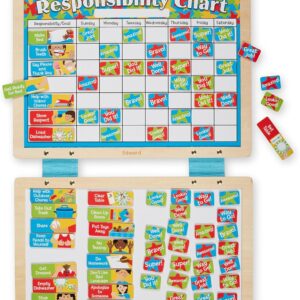
Seen schedules using photographs or pictures help toddlers understand daily sequences even sooner than they may be taught. These devices transform abstract time concepts into concrete seen information that toddlers can course of and anticipate. Transition warnings—”In 5 minutes, we’ll clear up toys”—give toddlers time to mentally put collectively for changes fairly than experiencing abrupt disruptions that set off resistance. Creating fixed pre-activity routines, resembling the equivalent sequence of steps sooner than bedtime, alerts what comes subsequent and reduces oppositional habits.
Optimistic Reinforcement and Explicit Reward
Catching toddlers “being good” and providing explicit, descriptive reward significantly impacts habits further efficiently than focusing completely on points. Reasonably than generic reward like “good job,” explicit solutions resembling “You used gentle arms when petting the canine” or “You waited patiently whereas I accomplished talking” reinforces exactly which behaviors caregivers must see repeated. This technique, supported by behavioral evaluation from Association for Behavioral Analysis International, strengthens desired behaviors by optimistic consideration.
Consideration options as extremely efficient foreign exchange for toddlers, who will search it by regardless of means present greatest. When tough behaviors always get hold of important caregiver consideration whereas optimistic behaviors go unnoticed, toddlers quickly examine which actions generate basically essentially the most engagement. Intentionally directing consideration in direction of cooperation, gentleness, sharing, and completely different desired behaviors steadily shifts the behavioral panorama with out punitive measures.
Environmental Modifications for Success
Toddler-proofing extends previous safety issues to include creating environments that set toddlers up for behavioral success. When breakable objects keep inside attain, conflicts inevitably come up as toddlers uncover their environments with pure curiosity. Eradicating temptations, providing relevant retailers for energetic play, and organizing areas to facilitate independence reduces friction and behavioral challenges.
Offering restricted, age-appropriate selections empowers toddlers whereas sustaining necessary boundaries. Reasonably than open-ended questions which is able to generate oppositional responses, structured selections like “Do you have to placed on the blue shirt or the pink shirt?” current autonomy inside acceptable parameters. This method acknowledges the toddler’s rising independence desires whereas sustaining caregivers accountable for necessary selections. Equally, creating accessible storage for toys, books, and personal objects permits toddlers to look at by on cleanup requests independently.
Connection Sooner than Correction
When behavioral points come up, addressing the underlying need or emotion sooner than making an attempt correction dramatically improves outcomes. Toddlers experiencing tantrums cannot course of logical explanations or behavioral instructions—their nervous applications are in fight-or-flight mode, making reasoning not attainable. Prioritizing connection by bodily comfort, empathetic acknowledgment, or calm presence helps toddlers return to a regulated state the place learning can occur.
This technique, grounded in attachment idea and supported by evaluation from The Gottman Institute, emphasizes that protected caregiver-child relationships form the inspiration for cooperation and optimistic habits. Toddlers who actually really feel understood and linked often are inclined to cooperate, accept limits, and develop healthful emotional regulation talents. Straightforward statements like “You’re really pissed off that we have now now to go away the park” validate feelings with out immediately fixing points or altering boundaries.
Comparability of Conduct Administration Approaches
| Technique | Core Principle | Most interesting Used For | Potential Drawbacks | Prolonged-Time interval Have an effect on |
|---|---|---|---|---|
| Time-Out | Transient elimination from reinforcing environment | Aggressive behaviors, dangerous actions | May enhance distress if used punitively; ineffective for emotion-based behaviors | Restricted effectiveness with out instructing completely different behaviors |
| Pure Penalties | Allowing safe outcomes to indicate lessons | Age-appropriate circumstances with minimal menace | Not acceptable for dangerous circumstances; requires cautious judgment | Builds problem-solving and cause-effect understanding |
| Optimistic Reinforcement | Rewarding desired behaviors with consideration/reward | Developing new talents, encouraging cooperation | Requires consistency; may take time to point outcomes | Strengthens intrinsic motivation and self-regulation |
| Redirection | Guiding consideration in direction of acceptable alternate choices | Curiosity-driven or exploratory behaviors | A lot much less environment friendly for emotionally-driven behaviors | Teaches flexibility with out shame or punishment |
| Logical Penalties | Penalties instantly related to habits | Instructing obligation and decision-making | Should be fast and understandable for toddlers | Develops understanding of cause-effect relationships |
| Emotion Instructing | Validating feelings whereas setting behavioral limits | Tantrums, frustration, emotional dysregulation | Requires endurance; wouldn’t current fast habits change | Builds emotional intelligence and self-regulation functionality |
Addressing Explicit Tough Eventualities
Managing Public Meltdowns
Toddler tantrums in public areas present distinctive challenges ensuing from social pressures and restricted environmental administration. When meltdowns occur in retailers, consuming locations, or completely different public venues, prioritizing safety and calm over fast habits correction proves greatest. Eradicating the child from overwhelming stimuli, discovering a quiet home, and offering bodily comfort addresses the underlying dysregulation fairly than the behavioral indicators.
Preventive strategies significantly reduce public meltdown frequency. Timing outings spherical nap schedules, bringing snacks to forestall hunger, setting clear expectations sooner than coming into public areas, and sustaining journeys short-term all scale back set off publicity. Preparing toddlers for public outings with simple explanations—”We are going to the grocery retailer to buy meals, then we’ll go home”—reduces nervousness spherical unknown circumstances.
Sibling Battle and Sharing Challenges
Anticipating toddlers to share willingly contradicts their developmental stage, the place possessiveness represents common egocentrism fairly than selfishness. Toddlers lack the cognitive functionality for actual perspective-taking, making pressured sharing exercises largely ineffective. As an alternative, instructing turn-taking with concrete devices like timers provides building that toddlers can understand and observe.
When sibling conflicts come up, avoiding automated challenge of blame and in its place educating every kids by problem-solving builds long-term battle determination talents. Straightforward facilitation—”You every want the equivalent toy. What can we do?”—engages toddlers in solution-finding fairly than positioning caregivers as judges. Having duplicate widespread toys, creating separate play areas when needed, and supervising shared play reduces battle alternate options whereas talents develop.
Transition Difficulties
Toddlers notoriously wrestle with transitions, whether or not or not transferring between actions, leaving nice locations, or switching from play to routine duties. These difficulties stem from restricted time comprehension, subject disengaging from partaking actions, and challenges with psychological flexibility. Providing enough warnings, using seen timers, and creating transition rituals smooths these tough moments.
Offering transition objects—a favorite toy to usher within the vehicle, a selected snack for after leaving the park—affords toddlers one factor to anticipate fairly than focusing solely on what they’re abandoning. Creating simple songs or video video games associated to explicit transitions transforms potential battlegrounds into predictable routines. For example, singing the equivalent cleanup monitor daily alerts the transition from playtime to the next train in an age-appropriate means.
Know-how and Show Time Battles
Digital devices create trendy behavioral challenges as toddlers flip into quickly engaged with screens and wrestle with the intense emotions that come up when show time ends. The American Academy of Pediatrics recommends restricted, high-quality show time for toddlers, with clear boundaries spherical when and the best way experience is used. Nonetheless, imposing these limits sometimes triggers important resistance.
Establishing fixed show time routines, using seen timers to point remaining time, and providing clear expectations sooner than show time begins reduces battle. Offering partaking alternate choices after show time, involving toddlers inside the transition course of, and avoiding screens as babysitters all through tough events prevents experience from becoming a behavioral administration crutch. When screens carry out as occasional devices fairly than default actions, elimination triggers a lot much less intense emotional responses.
Developing Emotional Intelligence and Self-Regulation
Instructing Feelings Vocabulary
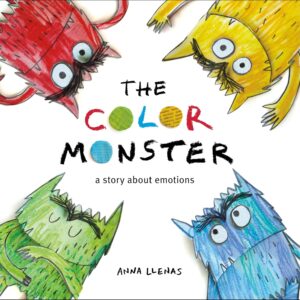
Growing toddlers’ emotional vocabulary provides devices for expressing interior experiences with out resorting to bodily behaviors. Usually labeling emotions all through calm moments—”You look joyful having fun with with these blocks” or “You seem pissed off that tower retains falling”—builds the connection between interior feelings and verbal expressions. Books that features characters experiencing various emotions current concrete examples that toddlers can reference.
Creating feelings charts with simple facial expressions or using emotion taking part in playing cards all through daily interactions normalizes talking about feelings. This foundation permits toddlers to steadily shift from “I’m hitting on account of I’m offended” in direction of “I’m offended on account of…” The transition wouldn’t happen in a single day, nevertheless fixed emotional vocabulary publicity accelerates emotional literacy enchancment.
Modeling Healthful Emotional Expression
Toddlers examine primarily by assertion, making caregiver emotional regulation modeling extraordinarily extremely efficient. When adults present healthful frustration administration—”I’m feeling pissed off that this isn’t working. I’ll take a deep breath and check out as soon as extra”—toddlers observe real-time emotional regulation strategies. Conversely, when caregivers steadily yell, react impulsively, or present poor emotional administration, toddlers internalize these patterns as common responses.
Acknowledging errors and repairing relationships after caregiver missteps teaches toddlers that everyone struggles with emotions typically and that restore is possible. Straightforward statements like “I raised my voice earlier, and that wasn’t helpful. I’m sorry” present accountability and healthful relationship talents. These moments, whereas uncomfortable, current invaluable learning alternate options that good parenting cannot present.
Creating Calm-Down Areas and Strategies
Designating explicit areas as “calm-down areas” provides toddlers with safe environments for emotional regulation with out the punitive associations of typical time-outs. These areas might embody easy cushions, calming sensory objects, books, or stuffed animals. Introducing calm-down areas all through neutral moments fairly than mid-meltdown ensures toddlers understand these areas as helpful devices fairly than punishments.
Instructing explicit calming strategies relevant for toddler developmental ranges—deep respiration using bubbles, squeezing stress balls, gentle rocking, or books—affords concrete alternate choices to emotional outbursts. Coaching these strategies all through calm durations builds muscle memory that steadily turns into accessible all through dysregulated moments. Whereas toddlers won’t immediately apply these devices all through intense emotions, fixed publicity and observe assemble foundational self-regulation talents.
Encouraging Emotional Growth Through Everyday Activities
Helping toddlers manage their emotions can be integrated into daily life in playful, simple ways, like:
Reading books about feelings introduces vocabulary for emotions.
Pretend play allows toddlers to act out different scenarios and feelings.

Art and drawing help express emotions nonverbally.

Singing songs with emotional themes (happy, sad, angry) helps toddlers connect moods with words.

Emotion plush toys that change facial expressions make it easier for kids to recognize feelings.

Feelings flashcards give toddlers visual prompts to practice naming emotions.

Magnetic mood charts let toddlers place their “feeling of the day” on the fridge.
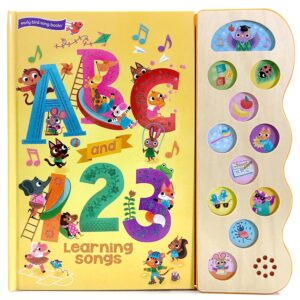
Interactive storybooks with sound buttons enhance the learning of emotional tones.
Calm-down bottles or glitter jars provide a soothing way to process big emotions.

Constantly Requested Questions
How prolonged do toddler habits points often remaining?
Most intense toddler behavior problems peak between 18 and 30 months and steadily improve as language talents, emotional regulation functionality, and cognitive enchancment advance. Nonetheless, explicit timelines fluctuate significantly based totally on explicit particular person enchancment, temperament, environmental elements, and caregiver response patterns. Some behavioral factors resolve quickly with fixed intervention, whereas others may persist or evolve into completely completely different challenges as kids develop. The new button is sustaining actual wanting expectations that match developmental ranges fairly than anticipating fast or eternal behavioral transformations. Fixed, affected particular person utility of relevant strategies often reveals enchancment inside quite a lot of weeks to months, though full determination may take longer.
When should relating to toddler behavior problems fast expert evaluation?
Whereas most toddler habits falls inside common developmental ranges, positive pink flags warrant expert session. These embody frequent, intense aggression in direction of self or others that doesn’t reply to intervention, full lack of social engagement or curiosity in pals, important regression in beforehand mastered talents, extreme sensory sensitivities interfering with daily functioning, or behaviors that put the child or others at extreme menace. Furthermore, if parental stress reaches overwhelming ranges, in quest of help from pediatricians, baby psychologists, or early intervention firms provides valuable property regardless of whether or not or not behaviors qualify as medical points. Organizations similar to the Child Mind Institute present screening devices and property to help mom and father resolve when expert evaluation is more likely to be useful.
Are toddler tantrums indicators of poor parenting?
Fully not. Tantrums signify common developmental phenomena stemming from neurological immaturity, restricted communication talents, and rising independence drives—not parenting top quality. Even toddlers with extraordinarily skilled, responsive caregivers experience widespread tantrums as part of healthful enchancment. The important subject shouldn’t be whether or not or not tantrums occur nevertheless fairly how caregivers reply to them. Fixed, calm, empathetic responses that maintain necessary boundaries whereas validating emotions educate self-regulation talents over time. Mom and father experiencing judgment for toddler tantrums should remember the fact that seen behavioral challenges impact nearly all households with toddlers, regardless of parenting approaches. Exterior observers not typically understand the full context of any behavioral second.
How can caregivers maintain calm all through intense toddler habits challenges?
Sustaining caregiver calm all through toddler meltdowns requires intentional self-regulation practices. Recognizing personal triggers, rising go-to calming strategies, and prioritizing self-care creates emotional reserves necessary for affected particular person responses. When feeling overwhelmed, taking short-term breaks (guaranteeing toddler safety), practising deep respiration, mentally reframing habits as developmental fairly than personal, and in quest of help from companions or mates all help maintain composure. Understanding that perfection shouldn’t be the target—restore after ruptures points larger than not at all making errors—reduces stress and helps further fixed emotional regulation. Frequent stress administration practices exterior of acute behavioral crises builds resilience for coping with tough moments further efficiently.
Do self-discipline strategies like spanking work for toddler habits administration?
Evaluation always demonstrates that bodily punishment like spanking proves ineffective for long-term habits change and carries important risks along with elevated aggression, damaged parent-child relationships, psychological nicely being points, and modeling that hitting solves points. Organizations along with the American Academy of Pediatrics explicitly advocate in opposition to bodily punishment for youths of all ages. Environment friendly self-discipline focuses on instructing fairly than punishing, sustaining connections whereas setting boundaries, and using age-appropriate penalties that assemble understanding fairly than compliance by concern. Toddlers lack the cognitive enchancment to connect bodily punishment with explicit behaviors, making these approaches notably inappropriate all through this developmental stage. Optimistic self-discipline strategies always outperform punitive approaches for establishing self-regulation and cooperation.
How loads consistency is vital for habits administration strategies to work?
Consistency significantly impacts method effectiveness, though good consistency stays not attainable and pointless. The target entails sustaining fixed responses to comparable circumstances as a rule fairly than absolute uniformity. When caregivers often observe by on established limits, maintain widespread routines, and apply comparable penalties for comparable behaviors, toddlers examine reliable patterns and expectations. Nonetheless, occasional flexibility for explicit circumstances or distinctive circumstances wouldn’t undermine whole consistency. Plenty of caregivers ought to speak to align on essential approaches, though minor variations between caregivers often don’t confuse toddlers as loads as mom and father concern. What points most is each explicit particular person caregiver sustaining personal consistency fairly than anticipating equal approaches all through all adults.
Can meals plan impact toddler habits?
Weight loss program influences toddler habits by quite a lot of mechanisms along with blood sugar stability, nutrient deficiencies, meals sensitivities, and gut-brain connections. Diets extreme in processed meals, added sugars, and artificial elements may contribute to hyperactivity, mood instability, and a highlight difficulties in some kids. Passable protein, healthful fats, and complex carbohydrates help safe energy and mood regulation. Explicit nutrient deficiencies—notably iron, vitamin D, and omega-3 fatty acids—have been linked to behavioral and developmental points. Nonetheless, meals plan not typically options as the one actual motive behind behavioral points. Consulting pediatricians about food regimen points and making gradual dietary enhancements sometimes produces refined nevertheless important behavioral benefits when combined with relevant behavioral strategies.
How do I cope with judgment from others about my toddler’s habits?
Dealing with judgment, whether or not or not precise or perceived, represents definitely one in all parenting’s most tough options. Take into account that others not typically see the full picture—your toddler’s day, developmental stage, explicit triggers, or your whole parenting technique. Most observers lack expertise in baby enchancment and mission their very personal experiences or anxieties onto others’ parenting. Rising a few short-term responses for intrusive suggestions—”We’re engaged on it” or “Thanks, we have now now a plan”—creates boundaries with out intensive clarification. Connecting with supportive communities, whether or not or not in-person father or mom groups or on-line boards, provides valuable perspective and reduces isolation. Focusing in your child’s long-term enchancment fairly than momentary public notion helps maintain confidence no matter exterior stress. Over time, most mom and father develop thicker pores and pores and skin referring to others’ opinions about their kids’s habits.
Creating Prolonged-Time interval Behavioral Success
The Perform of Parental Self-Care
Caregiver wellbeing instantly impacts toddler habits and the ability to implement environment friendly administration strategies. Mom and father experiencing burnout, energy stress, or depleted emotional reserves wrestle to handle the endurance, consistency, and emotional regulation that environment friendly toddler parenting requires. Prioritizing enough sleep, food regimen, bodily train, social connections, and personal pursuits shouldn’t be selfish—it is necessary infrastructure for family functioning.
Searching for help by companions, extended family, mates, or expert childcare permits necessary breaks that forestall burnout. Many communities present father or mom help groups, respite care selections, or father or mom training schemes that concurrently current learning alternate options and social connection. Acknowledging that sustainable parenting requires help fairly than superhuman explicit particular person effort reduces guilt spherical in quest of help and creates further actual wanting expectations for daily family life.
Developmental Perspective and Persistence
Sustaining developmental perspective prevents catastrophic fascinated with short-term behavioral phases. Toddlerhood represents just one stage in an prolonged developmental journey, and behaviors that actually really feel overwhelming inside the second often evolve significantly inside months. Whereas addressing current toddler behavior problems appropriately points, remember the fact that few toddler behaviors exactly predict long-term persona or success.
Persistence with every toddlers and oneself creates home for gradual progress fairly than anticipating fast transformation. Celebrating small enhancements—fewer tantrums this week than remaining, one worthwhile sharing second, 5 minutes of cooperation—builds momentum and maintains actual wanting expectations. Monitoring progress by journals or notes helps set up patterns and enhancements which will in some other case go unnoticed all through tough daily moments.
Developing Sturdy Relationships as Foundation
Above all explicit strategies or strategies, strong, protected parent-child relationships form the inspiration for optimistic habits and cooperation. Toddlers who actually really feel always cherished, understood, and valued develop the emotional security necessary for healthful enchancment. These relationships aren’t constructed by good parenting nevertheless fairly by fixed presence, restore after conflicts, unconditional love, and actual enjoyment of time collectively.
Prioritizing connection over correction, choosing battles correctly, and sustaining perspective about what really points long-term creates family environments the place behavioral challenges is likely to be addressed from areas of vitality fairly than ongoing battle. The connection-first technique, supported by a few years of attachment evaluation, acknowledges that toddlers cooperate most readily with adults they perception and actually really feel linked to.
Conclusion: Embracing the Toddler Journey With Confidence and Compassion
Toddler habits challenges, whereas exhausting and customarily irritating, signify common developmental processes fairly than parenting failures or baby defects. Understanding the neurological, emotional, and cognitive elements driving these behaviors transforms how caregivers interpret and reply to daily struggles. When adults acknowledge that toddlers aren’t giving them a tricky time nevertheless fairly having a tricky time, endurance and empathy flip into further accessible even all through robust moments.
The choices provided all via this data—fixed routines, optimistic reinforcement, environmental modifications, connection-focused self-discipline, and developmental perspective—work synergistically when utilized with endurance and consistency. No single method eliminates all behavioral challenges, nevertheless combining quite a lot of approaches steadily shifts family dynamics in direction of cooperation, emotional regulation, and mutual respect. Progress not typically follows linear trajectories; setbacks and hard days will proceed even with good method implementation.
Take into account that every toddler brings distinctive temperamental qualities, developmental timelines, and explicit particular person desires that require personalised approaches. Evaluating one child’s habits to a special’s or holding rigid expectations about how toddlers “should” behave creates pointless stress and disappointment. As an alternative, give consideration to understanding your explicit child’s desires, triggers, and communication patterns, then adapting primary strategies to fit your family’s distinctive context.
Possibly most importantly, lengthen the equivalent compassion and understanding to your self as a caregiver that you just’re learning to produce your toddler. Parenting toddlers ranks amongst life’s most demanding challenges, requiring immense emotional labor, bodily stamina, and psychological flexibility. Errors, pissed off moments, and imperfect responses happen to every father or mom—what points is the overall pattern of care, the willingness to revive relationships after conflicts, and the dedication to regular learning and progress.
As language talents develop, emotional regulation functionality will enhance, and cognitive abilities advance, many tough toddler behaviors naturally diminish. The funding in optimistic habits administration strategies all through these adolescence pays dividends not merely in decreased fast battle nevertheless in long-term social-emotional enchancment. Toddlers who experience affected particular person, fixed steering whereas learning to navigate their huge emotions flip into kids and adults with stronger self-regulation talents, extra wholesome relationships, and better emotional intelligence.
The toddler years, though demanding, moreover overflow with pleasure, discovery, and memorable developmental achievements. The equivalent curiosity that leads to behavioral challenges moreover drives learning and progress. The independence that creates vitality struggles moreover builds confidence and performance. The intense emotions that set off tantrums moreover enable deep love, enthusiasm, and shock. By addressing behavioral challenges whereas concurrently celebrating toddler enchancment’s magical options, households can navigate this part with greater confidence, decreased stress, and deeper connections that lay foundations for lifetime relationships.
Transferring forward, remember the fact that in quest of additional help when needed demonstrates vitality fairly than weak spot. Whether or not or not by pediatricians, baby enchancment specialists, parenting groups, or tutorial property, appreciable help exists for households navigating toddler behavioral challenges. No person expects mom and father to have all options or deal with each half independently. Developing supportive networks, persevering with to search out out about baby enchancment, and sustaining actual wanting expectations creates sustainable approaches that revenue every toddlers and their caregivers all via this dynamic developmental interval and previous.

Add Comment