
When your baby turns into a toddler, life suddenly starts to feel like an adventure. It became a mixture of excitement and exhaustion. Toddlers are endlessly curious; they want to explore everything, climb every height, and experiment with everything they can touch. No doubt this curiosity is wonderful for their growth, but at the same time, it also opens the door to many potential dangers around the house. That’s why toddler proofing your home is more than just a one-time task. It’s an ongoing process of making your living space safe without causing hindrance to your child’s personal growth.
According to the World Health Organization (WHO), the leading cause of harm in children under 5 while playing is unintentional injuries, and proactive safety tips are a way to prevent most accidents. By setting up a thoughtful baby proofing checklist and adapting it as your toddler grows, you give your child the freedom to play and learn in a secure environment.
Read about: Understanding Toddler Behaviour at Home: A Simple Guide for Parents
Why Childproofing Matters for Toddlers
While you may know how to baby-proof a house for infants, toddlers present new challenges. Babies stay where you put them; toddlers don’t. They continuously climb, run, push, and pull. They can test locks, open drawers or cabinets, and even figure out how to climb onto furniture. That’s why child-proofing your home during toddlerhood isn’t just about adding baby gates or covering outlets; it’s about predicting what your little one might try next.
Research published in the Journal of Pediatrics highlights that burns, falls, and poisoning are among the most common household injuries for children. But consistent planning for safety can drastically lower these risks.
The Basic: Toddler Proofing Checklist Every Parent Needs
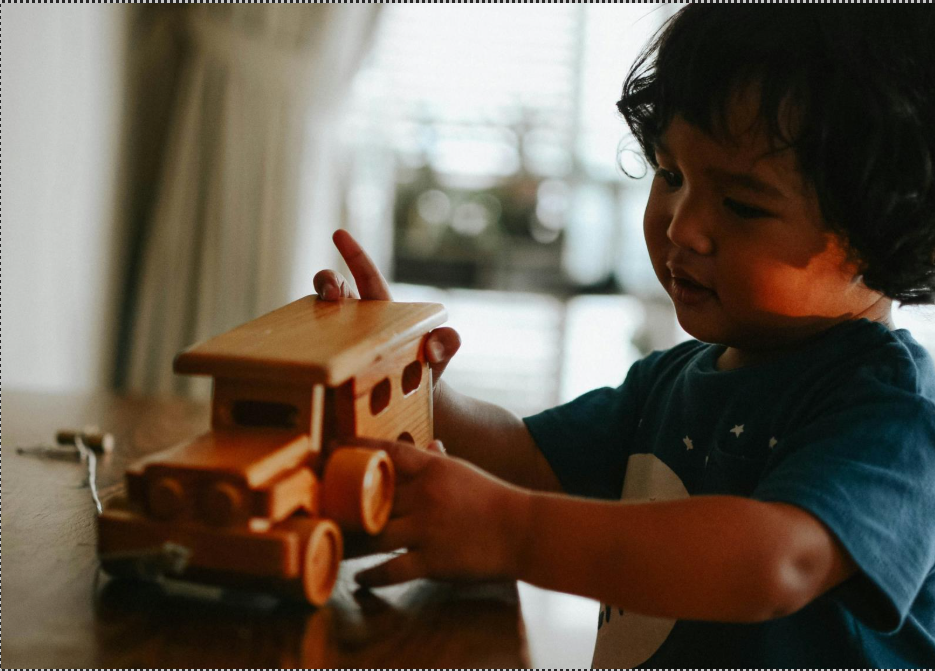
Before we break it down room to room, here’s a child-proofing house checklist every parent should know:
- Secure TVs and heavy furniture to the wall to prevent tip-overs.
- Keep small choking hazards like marbles, coins, or batteries out of reach.
- Use corner guards on sharp-edged furniture
- Cover electrical switches with safety plugs or sliding covers.
- Lock cabinets or drawers that store sharp objects, cleaning appliances, or medicines.
- Install baby gates at stairways and unsafe rooms.
- Avoid placing furniture near windows and install window locks.
These steps may seem small, but together, they drastically reduce the chances of the most common injuries inside the home.
Living Room Safety: Where Play Meets Risk
The living room is the place in the house where toddlers spend much of their time. It’s also full of hidden dangers.
- Guard shape corners: Side tables or coffee tables can be dangerous for your walking toddlers.
- Anchor furniture and TVs: Research from the Consumer Product Safety Commission shows that tip-over accidents send thousands of children to emergency rooms each year.
- Secure cords or blinds: Dangling cords cause risks of strangulation. Safety clips or cordless blinds are safer choices.
- Store small items carefully: Batteries, decorative items, or remote controls must be kept out of reach.
Setting up a toddler-friendly play zone with soft mats and age-appropriate toys in the living room encourages safe exploration.
Bathroom Childproofing: Water, Slips, and Toxins
Bathrooms pose several risks, from drowning to exposure to chemicals.
- Install toilet locks: toddlers see toilets as fascinating play zones. Locks prevent accidents.
- Use non-slip mats: Both in the tub and on the floor to prevent floor.
- Supervised bath time: There is a risk of toddlers drowning in just a few inches of water. The CDC notes children under four are at high risk of drowning.
- Store medicines and toiletries securely: even products with “natural ingredients” can be harmful if ingested by toddlers.
Also, set your water heater to 120°F (49°C) to reduce accidental burns during bedtime.
Kitchen Childproofing: Preventing Heat and Chemical Hazards
The kitchen may be the busiest room in the house, but it’s one of the riskiest for toddlers.
- Use stove knob covers: Twisting knobs is one of the things that toddlers love. Keep pots handles turned inward to prevent burns.
- Provide a safe cabinet: Fill it with plastic and pots, and containers so your child can play while you cook, without any danger.
- Keep hot items out of reach: Scald burns from tea, soups, or coffee are among the most common toddler injuries.
- Lock drawers and cabinets: Especially those with glassware, knives, or cleaning supplies.
According to the American Burn Association, scalds are the leading cause of injuries in toddlers, making kitchen safety non-negotiable.
Bedroom Safety: Creating a Safe Haven
- Anchor dressers and wardrobes: Toddlers may try to climb drawers.
- Keep beds and cribs away from windows: Avoid risks with cords, curtains, and blinds.
- Avoid suffocation risk: skip heavy bedding, stuffed toys, and pillows for younger toddlers.
- Organize toy storage: Use safe, low bins to encourage independence and reduce climbing risks.
A secure room not only prevents injuries but also helps toddlers sleep more peacefully in their own space.
Stairways and Hallways: Controlling Exploration
Stairways are a top danger for crawling toddlers or toddlers trying to walk or climb.
- Keep hallways clutter-free to prevent tripping hazards.
- Use soft nightlights for safe nighttime investigation.
- Install baby gates at the top and bottom of the stairs. Chosen hardware-mounted gates for the top.
Outdoor Spaces: Extending Safety Beyond Walls
If you have given access to the balcony, yard, or garden to your toddler, safety measures must extend outside.
- Check balcony railings: gaps should be too small for toddlers to slip through.
- Store grass cutters or other garden tools safely: Grills, fertilizers, and other lawn equipment should be off-limits.
- Secure door and gates: lock any access to unsupervised outdoor areas.
Always supervise around pools: even if you have built fences, supervision is the strongest safeguard.
Balancing Safety and Independence
It’s crucial to child-proof house areas, but it’s extremely important to let toddlers explore the world in secure boundaries. For instance, a toddler can prove that they to climb and test limits without major risks. Experts emphasize that safe, small risks, like climbing soft play equipment, boost motor skills and problem-solving skills.
Teaching Safety Alongside Childproofing
Childproofing is also about teaching, along with barriers. By 18-24 months, toddlers begin to understand basic safety rules. Parents can start introducing cues like “hot”, “not safe”, or “ouch” while also modeling safe behavior, like holding stair rails. Childproofing and safety together create a powerful foundation for long-term safety awareness.
Reassess as Your Toddler Grows

Toddlers change quickly, and so should your safety plans.
- Have they learned to open locks?
- Are new tools or electronics added to the household appliances?
- Can they reach higher surfaces now?
Regularly reviewing your childproofing checklist ensures your home evolves with your toddler’s growing skills.
check out: Common Toddler Illnesses and How to Treat Them at Home
Final thoughts:
Childproofing your home is one of the best ways to protect your toddler while encouraging healthy independence. From securing furniture to teaching safety rules, each step reduces risk and creates a home where your child can play and grow freely. While no environment is entirely risk-free, combining smart precautions with supervision and guidance gives parents peace of mind and toddlers a safe space to explore their world.
In the end, toddler-proofing isn’t about limiting, it’s about opening the door to safe discovery, helping your child thrive during one of the most curious and adventurous stages of life.
Frequently Asked Questions
1. How much does it cost to child-proof my house?
The cost of child-proofing a house can vary widely. Basic safety items like cabinet locks, outlet covers, and corner guards are inexpensive, while larger installations like window locks or stair gates may add up. On average, parents spend between $150-$500, depending on the size of their home.
2. How do I know if my home is fully childproofed?
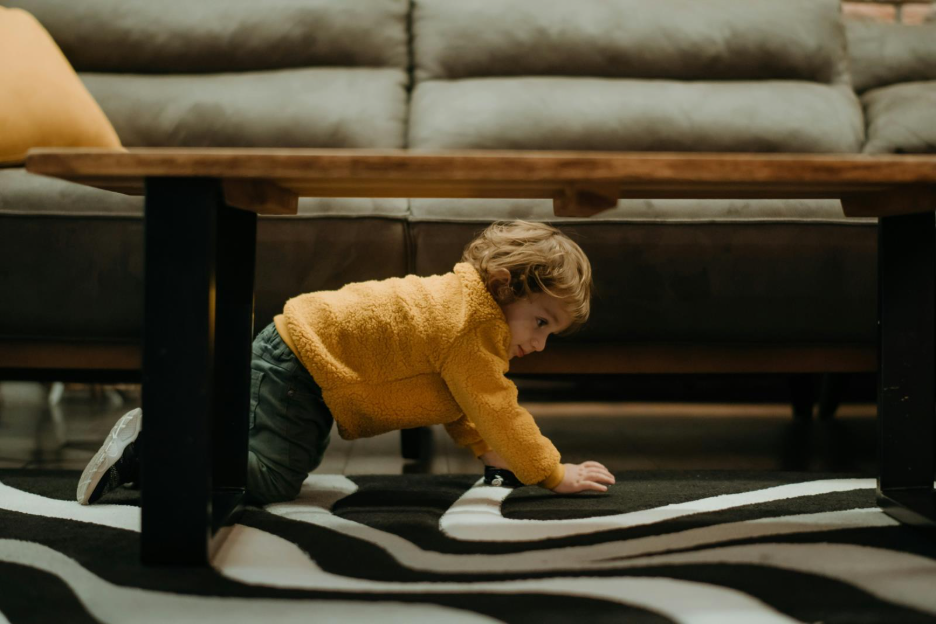
Try getting down to your toddler’s level to see the world from your toddler’s perspective. Look for hazards that are on their level, like unlocked drawers, unstable furniture, and loose cords. Creating a toddler-proof checklist helps ensure you don’t miss anything important.
3. When should parents start childproofing their home?
It’s best to start baby proofing before your child starts crawling. Usually around 6-8 months. By the time they become toddlers, you’ll already have basics in place.
4. Do I need to keep childproofing as my toddler grows older?
Yes, but your approach may change. While toddlers need gates and locks, teaching safety rules may benefit preschoolers more. Childproofing gradually shifts into safety education as your toddler grows older.
5. How do I keep toddlers safe around pets?
Supervise all interactions and provide safe spaces for both pets and toddlers. Use baby gates if needed to separate areas, and make sure food bowls or litter boxes are kept out of reach.

Add Comment