
toddler behavior management can feel unpredictable because early childhood is a period of rapid brain development, emerging independence, and limited language skills. This guide offers a clear, research-informed framework to help caregivers respond to challenging behaviors while nurturing emotional growth, cooperation, and secure relationships. The focus is practical, respectful, and grounded in what is known about child development—so strategies work in real homes, not just in theory.

Understanding Toddler Behavior: What’s Normal and Why It Happens
Toddlers, typically between ages one and three, are learning to navigate a big world with small skills. Emotional regulation, impulse control, and flexible thinking are still developing. As a result, behaviors that look defiant often reflect unmet needs or immature self-control rather than intentional misbehavior.
Key developmental drivers include:
- Brain growth and self-control: The prefrontal cortex, responsible for planning and impulse control, is still immature. Research summarized by the American Academy of Pediatrics highlights why quick emotional reactions are common at this age.
- Language gaps: Limited vocabulary can turn frustration into physical reactions. Guidance from Zero to Three explains how communication delays can amplify behavioral challenges.
- Autonomy needs: Toddlers seek independence. When choices are restricted, resistance increases—a pattern described in developmental overviews by CDC’s child development resources.
Recognizing these foundations reframes behavior as communication, making management more effective and compassionate.
Core Principles That Make Toddler Behavior Management Work
Effective strategies share common principles supported by developmental science and parenting research.
Consistency Creates Safety
Predictable routines and responses reduce anxiety. When expectations are stable, toddlers are better able to comply. Parenting frameworks from Harvard University’s Center on the Developing Child emphasize how consistency supports self-regulation.
Connection Comes Before Correction
A calm, responsive adult presence helps children regulate emotions. Studies summarized by HealthyChildren.org note that children learn regulation through co-regulation with caregivers.
Guidance Over Punishment
Discipline at this age teaches skills rather than imposes consequences. Evidence reviewed by UNICEF parenting guidance shows that positive guidance builds long-term behavior skills more effectively than punitive approaches.
Common Toddler Behaviors and How to Respond
Tantrums and Emotional Outbursts
Why they happen:
Overwhelm, fatigue, hunger, or blocked goals often trigger tantrums. Emotional intensity exceeds coping skills.
What helps:
- Stay physically close and calm.
- Name feelings simply (“upset,” “angry”) to build emotional vocabulary.
- Offer limited choices after the peak passes.
Developmental resources from Zero to Three highlight emotion labeling as a key tool in reducing tantrum frequency over time.
Hitting, Biting, or Throwing
Why they happen:
These behaviors often signal frustration or sensory overload rather than aggression.
What helps:
- Intervene immediately and calmly.
- State clear limits (“hands are not for hitting”).
- Redirect to acceptable physical outlets like squeezing a ball or stomping feet.
Guidelines from CDC child development behavior tips stress immediate, calm redirection for safety-related behaviors.
Refusal and “No” Phases
Why they happen:
Saying “no” is a way to assert autonomy.
What helps:
- Offer structured choices (“blue cup or red cup”).
- Phrase directions positively (“walk inside” instead of “don’t run”).
- Keep instructions short and concrete.
Research summarized by American Academy of Pediatrics shows that choice-based language increases cooperation in early childhood.
Building a Preventive Environment
Toddler behavior management is most effective when challenges are prevented before they escalate.
Predictable Routines
Daily routines for meals, sleep, and play reduce stress. According to HealthyChildren.org, consistent sleep routines alone can significantly reduce irritability and impulsive behavior.
Developmentally Appropriate Expectations
Expectations should match ability. For example, sitting still for long periods is unrealistic for toddlers. CDC developmental milestone guidance underscores the importance of aligning expectations with age-appropriate skills.
A Calm Physical Space
Reducing clutter, noise, and overstimulation helps toddlers regulate emotions. Environmental guidance from Harvard Center on the Developing Child links sensory overload to increased stress responses.
Teaching Emotional Skills Early
Toddlers can learn the foundations of emotional intelligence through everyday interactions.
- Emotion labeling: Naming emotions during calm moments builds understanding.
- Modeling coping strategies: Demonstrating deep breathing or pausing shows children how to calm down.
- Storybooks and play: Play-based learning resources recommended by Zero to Three show how pretend play supports emotional learning.
Over time, these skills reduce challenging behaviors by replacing them with communication.
Positive Discipline Strategies That Actually Work
Redirection
Redirecting attention to an acceptable activity prevents power struggles and keeps momentum positive.
Natural and Logical Consequences
Consequences connected to the behavior (such as putting toys away if thrown) help toddlers understand cause and effect. HealthyChildren.org describes this as more effective than unrelated punishment.
Praise for Effort, Not Just Outcomes
Specific praise (“you waited your turn”) reinforces desired behaviors. Research highlighted by UNICEF parenting resources links descriptive praise with improved self-esteem and cooperation.
When Behavior Feels Overwhelming: A Comparison of Common Approaches
Gentle vs. Punitive Responses in Toddler Behavior Management
| Aspect | Punitive Responses | Skill-Based Guidance |
|---|---|---|
| Focus | Stopping behavior | Teaching regulation skills |
| Emotional Impact | Increases fear or shame | Builds security and trust |
| Long-Term Effect | Short-term compliance | Long-term self-control |
| Research Support | Limited for toddlers | Supported by early childhood research |
Evidence reviews from American Academy of Pediatrics consistently favor guidance-based approaches for children under five.
Supporting Behavior Across Different Settings
At Home
Clear routines and consistent language support stability.
In Public Places
Preparation helps. Explaining expectations before entering a store and keeping outings short aligns with advice from HealthyChildren.org.
In Childcare or Preschool
Consistency between home and care settings improves outcomes. Collaboration strategies recommended by CDC early childhood guidance emphasize shared expectations and communication.
Nutrition, Sleep, and Behavior: The Hidden Connections
Physical needs strongly influence behavior.
- Sleep: Inadequate sleep is linked to impulsivity and mood swings. Sleep research summarized by American Academy of Pediatrics highlights the behavioral benefits of regular sleep schedules.
- Nutrition: Balanced meals stabilize energy and mood. Guidance from UNICEF child nutrition resources links regular meals with improved emotional regulation.
Addressing these basics often reduces behavior challenges without additional intervention.
When to Seek Extra Support
While most toddler behaviors are developmentally typical, professional guidance can help when concerns persist.
Consider consultation if:
- Aggressive behaviors are frequent and intense.
- Language delays significantly limit communication.
- Behavior interferes with daily functioning across settings.
Developmental screening recommendations from CDC child development programs encourage early support when concerns arise.
Helpful Products to Manage Toddler Tantrums
Calm-down corner kit with soft pillows, blankets, and sensory toys.

Noise-reducing headphones to help toddlers manage overwhelming sounds.

Sensory fidget toys to channel nervous energy and refocus attention.

Picture emotion cards to help toddlers name and express their feelings.
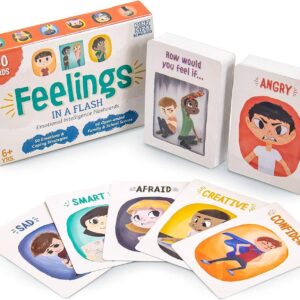
Calming essential oil roller with child-safe blends like lavender.

Breathing buddy plush toy to teach slow, deep breathing.

Soothing night light projector for a calm environment after outbursts.

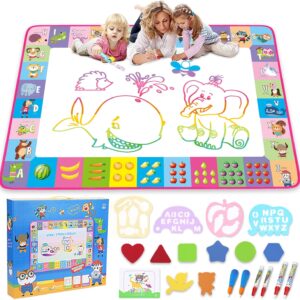
Water drawing mat for quiet, creative distraction without mess.
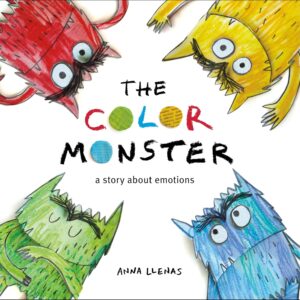
Soft storybooks about feelings to help toddlers understand emotions.
Stress relief squeeze balls for little hands needing an outlet.

Comfort stuffed animal that acts as a “calm buddy.”

Child-safe tent or teepee as a private retreat for quiet time.

Frequently Asked Questions
How long do typical toddler behavior challenges last?
Most challenging behaviors peak between ages two and three and gradually improve as language and self-regulation skills develop. Developmental timelines shared by American Academy of Pediatrics indicate steady improvement with consistent guidance.
Are time-outs effective for toddlers?
Brief, calm time-outs can work when used sparingly and paired with teaching. However, many experts, including those cited by HealthyChildren.org, emphasize redirection and connection as primary strategies for this age group.
How can caregivers stay calm during difficult moments?
Preparation and realistic expectations help. Adult self-regulation strategies, such as pausing before responding, are highlighted in parenting research from Harvard Center on the Developing Child.
Does ignoring negative behavior help?
Selective ignoring can be useful for minor attention-seeking behaviors, but safety-related actions always require immediate intervention. Zero to Three provides guidance on when ignoring is appropriate.
Can positive discipline work without being permissive?
Yes. Clear limits combined with warmth and guidance maintain boundaries while teaching skills. Evidence reviewed by UNICEF parenting programs distinguishes positive discipline from permissiveness.
Conclusion: Building Skills That Last Beyond Toddlerhood
Toddler behavior management is most effective when it focuses on teaching skills rather than controlling actions. Understanding developmental indications, creating predictable environments, and responding with calm consistency transform everyday challenges into learning opportunities. Over time, toddlers gain emotional vocabulary, impulse control, and cooperation—skills that extend well beyond early childhood.
Caregivers who approach behavior with patience, structure, and evidence-based strategies lay a foundation for resilience and healthy relationships. With realistic expectations and supportive guidance, toddlerhood becomes not a phase to endure, but a critical stage to nurture growth, confidence, and connection.

Add Comment