

It’s inevitable for parents to encounter the stormy reality of toddler tantrums, followed by the sudden tears, screams, and flailing arms that seem to erupt out of nowhere. These meltdowns are a normal part of early childhood, though they can test the patience of even the calmest parent. Understanding how to handle toddler tantrums can help your child learn communication, emotional regulation, and coping skills.
Research from the American Academy of Pediatrics says that the age 1-3 is most common for tantrums, with frequency peaking around age two, hence the term “terrible twos”. These intense emotional outbursts are often a toddler’s way to express exhaustion, frustration, or unmet needs in a world they are still learning to navigate.
A Developmental Perspective to Understand Toddler Tantrums
A toddler tantrum isn’t a sign of a misbehaving child or bad parenting; it’s a developmental milestone. According to child psychologists, toddlers are in a stage where their desire for independence grows faster than their ability to express their emotions in language. This communication gap leads to irritation, which often explodes into a tantrum.
Many developmental experts categorize tantrums into two main types:
1. Frustration Tantrum: triggered due to the child’s inability to do something or inability to convey their feelings effectively.
2. Demand Tantrums: occur when a child wants something (a treat, toy, or most importantly, attention).
In both cases, the meltdown serves a purpose: to release overwhelming emotions. Knowing this can shift a parent’s perspective from “How do I stop this?” to “How can I help my child process this?”
Common Triggers for Tantrums

There is no specific time for tantrums; they can happen anytime. However, certain things are common that can trigger tantrums. Studies published in Developmental Psychology highlight several recurring causes:
- Hunger: low blood sugar can make small frustrations feel enormous.
- Transitions: shifting from one activity to another ( playtime to bedtime) can trigger resistance.
- Fatigue: Overtired toddlers have less control over their emotions.
- Overstimulation: Too many activities, noise, and new environments can overwhelm kids.
- Limits and boundaries: Hearing “no” when they need something can often lead to intense protest.
By recognizing these triggers, parents can better predict and prevent these breakdowns before they escalate.
The Science Behind Emotional Regulation in Toddlers
Emotional regulation, which is the ability to respond and manage emotion appropriately, is a skill that develops over time. In toddlers, the prefrontal cortex (responsible for self-control) is still maturing. This means that emotions can easily override logical thinking.
A study in child development says that toddlers who experience calm, supportive responses from caregivers during their tantrum phase are most likely to develop healthy coping mechanisms later in their lives. On the other hand, harsh reactions may make tantrums more frequent and increase stress response.
In short, the calmer and more consistent your response, the more your child learns how to calm themselves.
Also read about: Toddler Milestones by Age: What to Expect and When
How to Handle Toddler Tantrums Calmly

Understanding how to handle toddler tantrums can lead to having a clear plan in the moment. Here is a step-by-step approach backed by some research:
1. Ensure Safety First
If your child is throwing, biting, or hitting objects, be gentle and guide them to a safe space. This isn’t counted as a punishment; it’s about preventing harm.
2. Acknowledge their feelings
Phrases like “You wanted that toy” or “I see you’re angry” help your child feel understood. This can reduce the intensity of meltdown.
3. Keep Yourself Calm
Toddlers love to mimic. Speak gently, softly, and softly. If you escalate, they will de-escalate.
4. Offer Limited Choices
For Example: “You can put on the red shoes or the white shoes”. These small decision-making tricks can help them feel in control without giving in to unreasonable demands.
5. Use Distractions
With toddlers from age 1-2, redirecting their behavior can be surprisingly effective environment shift, a new toy, or activity can stop the tantrum and bring the toddler on track.
6. Don’t Reward Tantrums
If the tantrum is about something they shouldn’t have, don’t give in. Otherwise, this will give a wrong impression that meltdowns are an effective way to get what they want.
7. Wait It Out
Sometimes, letting the storm pass is the best approach. Offer comfort when they are frustrated, but avoid overexplaining during the peak of their emotions.
Prevention Strategies to Reduce Tantrum Frequency

While no parent can avoid tantrums, there are ways to make them less frequent:
- Watch for warning signs: Hungry? Overstimulated? Tired? Act before they reach peak frustration.
- Give warnings: “We will stop playing and go to bed in 5 minutes”. These types of ultimatums help them prepare for transition.
- Maintain routines: toddlers thrive on schedules. Predictability makes them feel secure.
- Praise positive behavior: Recognize when your child uses words instead of screaming. This will reinforce good habits.
- Teach simple words or signs: When they know more language, they will get less frustrated.
A longitudinal study in Pediatrics showed that clear expectations and persistent routine reduced the tantrum frequency in children under 3 years of age by nearly 30%.
Know about: Snack Time Made Easy: Healthy Snacks Toddlers Eat
Long-Term Benefits of Positive Tantrum Management

How you handle your child’s tantrums today will play a huge role in shaping their emotional intelligence in the future. Research links supportive, calm response to:
- Lower risk of behavioral problems
- Improved social skills with peers
- Better control in pre-school and beyond
- Stronger parent-child trust and relationship
Parents help toddlers turn intense emotions into growth opportunities by focusing on teaching rather than punishment.
Final Thoughts on Turning Meltdowns into Teachable Methods
Tantrums in toddlers can feel overwhelming, but they’re an essential part of emotional development. By understanding the triggers, staying calm, and responding with empathy, you’re not just stopping a meltdown; you’re teaching lifelong coping skills. Remember, the goal isn’t to eliminate every tantrum but to guide your child through them with patience and consistency.
In time, those intense moments become less frequent, and your child learns that emotions, no matter how big, can be managed.
Frequently Asked Questions:
1. Are toddler tantrums a normal part of development?
Yes, toddler development is a completely normal developmental stage. They usually happen because young children are still learning to communicate effectively, handle frustration, and regulate their emotions.
2. How long should a typical tantrum last?
A typical tantrum can last anywhere between 2-15 minutes. However, the duration and intensity can vary from child to child. The duration may also depend on the trigger and environment.
3. Should I ignore my toddler’s tantrum?
When the child is seeking attention or pushing boundaries, then ignoring a tantrum can be effective. However, if the tantrum involves aggression towards others, unsafe behavior, or in extreme cases self-harm, you should intervene calmly to ensure safety.
4. Is it okay to comfort my child during a tantrum?
Yes, especially if your child is not being defiant and overwhelmed. Gentle physical comfort, reassurance, and a calm voice can help them regain control and feel safe.
5. At what stage should the tantrum stop?
Tantrums usually peak between ages 1 and 3 and gradually decline between ages 4-5. If tantrums are frequent, severe, or continue beyond this age, it’s worth consulting a pediatrician to rule out underlying issues.
6. Should I punish my toddler for having a tantrum?
No, tantrums are an emotional reaction, not intentional bad behavior. Instead of punishment, focus on teaching your child healthy ways to express feelings and rewarding positive behavior.
Helpful Products to Manage Toddler Tantrums
Calm-down corner kit with soft pillows, blankets, and sensory toys.

Noise-reducing headphones to help toddlers manage overwhelming sounds.

Sensory fidget toys to channel nervous energy and refocus attention.

Picture emotion cards to help toddlers name and express their feelings.
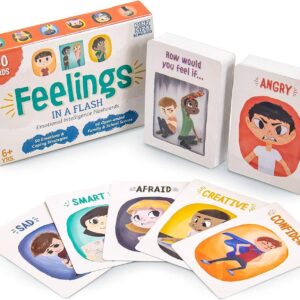
Calming essential oil roller with child-safe blends like lavender.

Breathing buddy plush toy to teach slow, deep breathing.
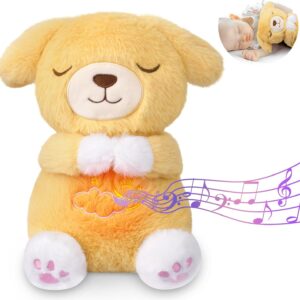
Soothing night light projector for a calm environment after outbursts.

Water drawing mat for quiet, creative distraction without mess.
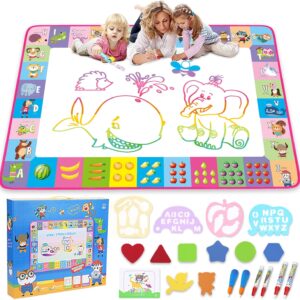
Soft storybooks about feelings to help toddlers understand emotions.
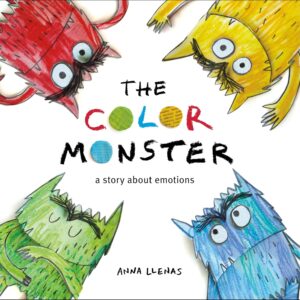
Stress relief squeeze balls for little hands needing an outlet.

Comfort stuffed animal that acts as a “calm buddy.”

Child-safe tent or teepee as a private retreat for quiet time.


Add Comment