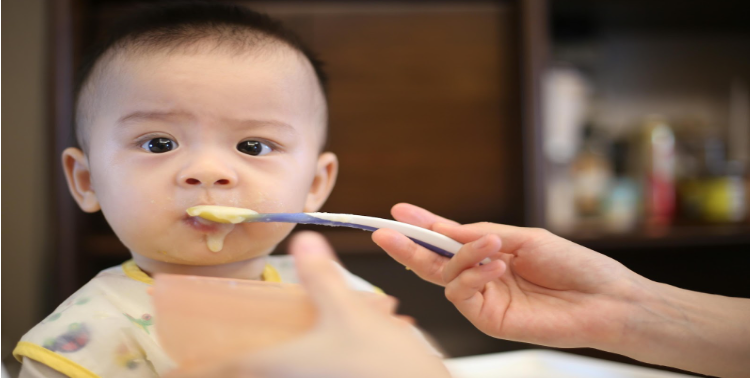
Introducing your baby to solid food feels like an achievement. You have crossed a breast and bottle feeding milestone, and now your baby is mature enough to take in solids. This moment is a mixture of excitement and overwhelmingness.
If you have a bunch of questions in your mind, like: when do babies start eating baby food? What should you feed them? How do you know they’re ready? This article is definitely for you. The article will break everything from signs of readiness to the best baby first foods, 4-6 months, and tips for making mealtimes fun and stress-free.
When Can Babies Eat Baby Food?
Most babies show readiness for solid food around 6 months of age, though some may show signs as early as 4 months. According to the American Academy of Pediatrics (AAP), exclusive breastfeeding or formula feeding is recommended for the first six months, but remember, each baby is different.
Some of the signs the baby might show:
- Control of neck and head movement.
- The baby can sit up with little support.
- Shows interest in what you are eating.
- Opens its mouth when food approaches.
- Can move food to the back of the mouth and swallow.
If your baby shows most of these signs, then it might be a good opportunity to introduce their first spoonful of real food.
Also check out: Teething Troubles? Try These Simple and Natural Remedies That Work
How to Begin?

Don’t rush at the start. Start slow. The goal is to introduce a new texture and taste, so don’t replace milk right away. Begin with 1-2 teaspoons a day, and gradually quantity and frequency. This will help your baby adjust to the new addition in their life.
Feeding tips:
- Use a small, soft-tipped spoon.
- Reduce spills with first-stage suction bowls.
- Keep bibs, expect mess, and be patient.
- Ergonomic baby high chair for secure mealtimes.
- Choose a calm time when your baby isn’t too tired or hungry.
- Offer milk first; solids come after a feeding session in the beginning.
Solid Meals for Baby: 4-6 Months Old

Wondering what to feed when introducing solids to baby ? Here are some safe, simple options:
Single-Ingredient Purees:
- Steamed and pureed carrots.
- Mashed banana.
- Avocado.
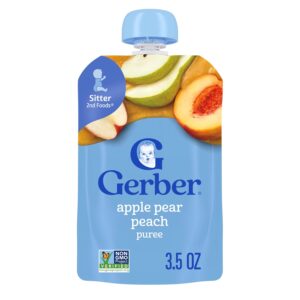
- Apple sauce.
- Oatmeal made with formula or breastmilk.
- Mashed sweet potato.
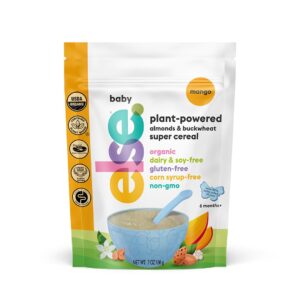
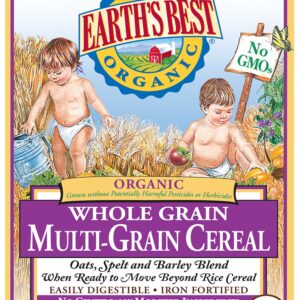
- Iron-fortified baby rice cereal.
Tip: Wait 3-5 days before switching between new foods.
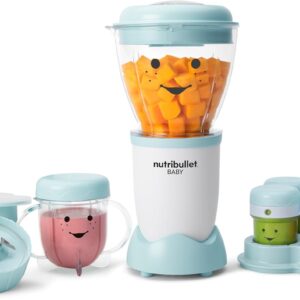
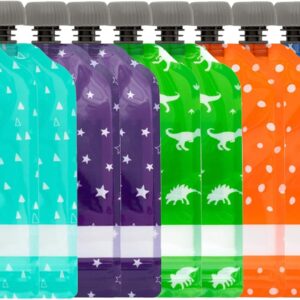
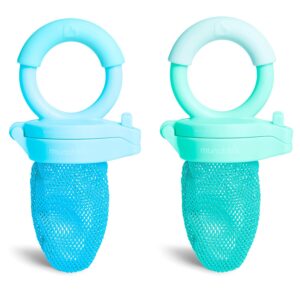
These simple purees are easily digestible for the tiny tummy of your baby. Some helpful tools are Baby food maker/blender,reusable food pouches, and mesh feeders. Try these purees one by one and note the expressions of your baby to find out which one they like the most!
6-8 months: More Variety and Texture

Once your baby is okay with purees, you can start adding more variety and even lumps. At this stage, building taste is important. Not only are you grooming your baby, but also building the foundation for future taste and preferences.
Add these to your little one’s menu:
- Mashed lentils or beans.
- Soft scrambled egg yolks.
- Shredded or minced chicken.
- Soft scrambled eggs.
- Pear, peach, plum, and other fruits. (peeled and mashed)
You can also introduce common allergens at this age (like peanut, egg, dairy, and wheat). Add one at a time and in small amounts to your baby’s menu. Consult your doctor for any further prescriptions.
The Importance of Iron-Rich Foods:
By 6 months, babies need more iron than breastmilk can provide alone. Therefore, it’s better to make iron-rich foods a priority. Some great options include:
- Iron-fortified cereals
- Pureed meats (like chicken, beef, or turkey)
- Lentils
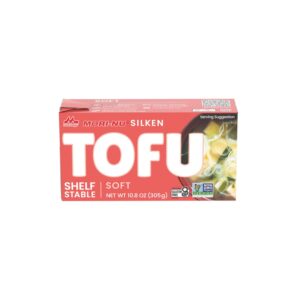
- Tofu
- Spinach (steamed and pureed)
Vitamin C-rich food (like sweet potato, broccoli, and citrus fruits) can help your baby absorb iron better.
Food To Avoid in the First Year:

Most of the food items are not suitable for your baby under a year. To avoid any problem, here are foods to hold off on:
- Cow milk is a main drink (okay in small quantities).
- Salt and sugar (not good for the baby’s kidneys)
- Honey (can cause botulism)
- Whole fruits, vegetables, or nuts. (choking hazard)
- Partially cooked egg or fish.
- Processed snacks or sweets.
Stick to fresh, small-sized food to be on the safe side.
Know about: Baby Rashes Explained: Causes, Cures & Prevention Tips
Food Safety Tips:
Here are some tips to use when introducing solids to baby:
- Use clean utensils and surfaces.
- Wash your hands and your baby’s hands before feeding.
- Store leftovers properly.
- Avoid reheating the same food more than once.
- Avoid using frozen fruits and vegetables.
Hygiene is the most important thing for a healthy lifestyle. Always serve clean and safe food to your little one.
Sample Feeding Schedule:

Here is a schedule suitable for your 6-month-plus baby.
| Time of Day | Feeding |
| Morning | Milk + 1–2 tsp cereal or fruit |
| Midday | Milk + mashed veggie |
| Afternoon | Milk |
| Evening | Milk + soft veggie or rice cereal |
| Bedtime | Milk |
You can adjust the schedule according to your baby’s needs and hunger.
When to Talk to Your Pediatrician?
Reach out if:
- You are unsure about the feeding progression
- Your baby shows signs of a food allergy (rash, swelling, vomiting)
- They are not gaining weight or showing signs of hunger.
- You have concerns about gagging or choking.
- A baby shows an allergic reaction to any fruit or vegetable.
Your pediatrician can guide you and ensure your baby is taking safe food, and can reduce your concerns.
Frequently Asked Questions:
1. Can I mix formula or breast milk with baby food?
Yes, it’s okay to add them to baby food. Adding breast and formula milk to baby food makes the texture more familiar and easier to swallow.
2. What is the Major difference between baby-led weaning and traditional spoon-feeding?
Spoon feeding includes purees and parent-led feeding, while baby-led weaning allows the baby to self-feed soft food with fingers. Most parents use a mix of both methods.
3. How often should I feed solids to my baby?
Start slow with one meal a day. Gradually increase to 2-3 meals per day by 8-9 months. Continue breast and formula feeding along with solid feeding.
4. Is it okay if my baby refuses to eat solid food at first?
Completely normal. Some babies need more time to get used to solid food. Keep offering the food to the baby and let them explore it. It’s a learning process, not a race.
5. What if my baby gags while eating solids?
Gagging is a normal part of introducing solids to your baby. It’s quite different then choking and helps your baby to learn the texture and manage eating. Stay calm and feed your baby under your supervision.
Introducing solids to your baby is roller roller-coaster ride. Some days your baby will gobble up peas, other days they’ll spit everything out. It’s all part of learning.
Be patient and go at your baby’s pace. Enjoy this new chapter and journey. The goal is to introduce your baby to new things, offer nourishment, and build curiosity. All this will lead to the formation of a positive basis for lifelong healthy eating.


Add Comment