

Bullying is one of the toughest challenges that toddlers face in the outside world. It doesn’t matter if it happens in school, on sports fields, or in the digital world; its impacts are always long-lasting. The excess use of social media has made it even harder for teens to escape, with cyberbullying now affecting up to 15% of high school students, according to the CDC. As a parent, you might often question how to stop bullying and protecting your teen from bullying might seem challenging because you can’t control every interaction your teen has, but you can give them the confidence, tools, and support they need to stay safe.
Bullying isn’t just about mean words; it can cause low self-esteem, anxiety, depression, and in extreme cases, self-harm and suicide. Here are 10 effective ways to protect your teen from bullying while also building their self-confidence, resilience, and emotional support.
10 Ways to Stop Bullying:
1. Teach Assertiveness, Not Aggression

Assertiveness skills give teenagers confidence to stand for themselves without escalating the situation. Help them build and nourish such skills. According to the American Psychological Association, assertive communication, like using eye contact, calm words, and strong body language, can defuse bullying attempts by making them less rewarding for the aggressor.
Role-play scenarios at home. For example, teach your teen to say “That’s exceeding boundaries. Stop.” in a firm but controlled voice. These shoes strengthen confidence without inviting confrontation.
2. Start with Open and Honest Conversations
The most important step in protecting your teen is creating a safe space for them to talk. Studies show that teens who feel heard by their parents are more likely to openly share issues like bullying early on. Instead of asking “Is some bullying you?” try open-ended, gentle questions like, “How are you going with your friends?” or “Does anything at your school make you feel uncomfortable?
Let them know that you won’t blame them, overreact, or dismiss their feelings. Teens who know that their parents listen without judging them are more likely to open up when bullying happens.
3. Prioritize Online Safety
Cyberbullying might seem inescapable because it follows teens home through their advice. Studies show that over 59% of U.S. teens have experienced some form of online harassment. Teach your child about blocking/reporting abusive accounts, privacy settings, and never sharing personal information online.
You can also consider parental controls or monitoring software, but balance this with trust and transparency. Make them feel that you are protecting them, instead of spying on them. Most importantly, reassure them that they can always come to you if they encounter any kind of harmful online behavior.
4. Partner with the School
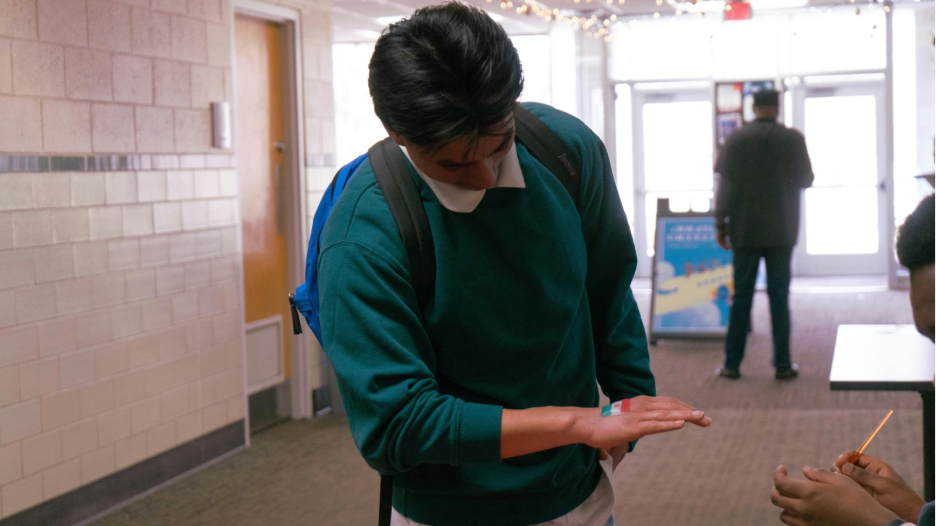
School keeps an eye on students to prevent bullying, but many cases go unnoticed and unreported. The National Center for Education Statistics reports that only about 20-30% of bullied students tell school officials. Encouraging them to document incidents is a great step in protecting your teen from bullying. This will help them to report issues to teachers, counselors, or principals.
Most schools have anti-bullying policies in place. As a parent, you can ask about the school’s intervention strategies, request meetings, and ensure your teen isn’t left to handle bullying alone.
5. Provide Access to Mental Health Support
Bullying can absolutely take a toll on your teen’s mental health. According to the National Institute of Mental Health, victims of bullying are at high risk of depression and anxiety. Keep track of warning signs like irritability, withdrawal, or changes in appetite and sleep. If you notice any of them don’t hesitate to seek professional health care.
School counselors and therapists are specially trained to help teens process these unsettling experiences. Even if your child insists, they are fine, professional support can give them a safe space to express themselves and healthy coping mechanisms.
6. Encourage Peer Allies and Positive Friendships

Friendship is one of the major bullying solutions. Teens with supportive peer groups are less likely to face bullying and to be isolated. Encourage your child to join group activities, form healthy friends, and get involved in clubs.
Confidence-building exercises and role-playing exercises at home can help a lot if your teen struggles socially. You can also help them arrange safe hangouts or connect with peers who share similar interests.
7. Model Positive Conflict Resolution at Home
Kids learn how to deal with different situations, especially conflict, by observing adults. If they see parents handling disagreements respectfully and calmly, they are more likely to mirror that behavior when faced with bullies. Portray that anger does not mean shouting in your behavior. Also, show them that standing firm doesn’t mean being cruel.
Family role models make a huge difference. Research shows that teens in communicative, supportive households are less likely to fall victim to or engage in bullying behaviors.
8. Build Self-Esteem and Resilience

Vulnerable teens are bullies’ easiest target. Protecting your teen from bullying also includes helping them feel confident in who they are. This makes them feel less likely to internalize who they are. Research from the Journal of Youth and Adolescence highlights that teens who have high self-esteem are better equipped to resist bullying and peer pressure.
Encourage your teen to pursue every hobby they enjoy, whether it’s music, sports, or art. Celebrate their every achievement and strength, and teach them that their worth doesn’t depend on others’ opinions.
9. Encourage Physical Activity and Group Involvement
Martial arts, sports, yoga, dance, and other group activities don’t just build physical strength; they also enhance teamwork and social confidence. Research suggests that teens involved in structured group activities have stronger social bonds and higher resilience. This makes them less prone to and vulnerable to bullying.
If your child isn’t interested in athletics, encourage group-based hobbies like debate, theatre, singing, or volunteering. These activities still create a sense of belonging and help your teen find supportive peers.
10. Use Anti-Bullying Resources and Programs
There is plenty of evidence-based anti-bullying resources available for parents and teens. Programs like StopBullying.gov and local non-profits are good ways to stop bullying as they offer guides, hotlines, and even peer-led workshops. Telling your teens about these resources not only educates them but also reassures them that they are not alone.
Some schools also invite guest speakers or workshops focused on bullying prevention. Consult your school administration if your teen can benefit from such initiatives.
Read About: How Social Media Is Affecting Teens’ Mental Health
Final Thoughts: Standing Strong Against Bullying
Bullying can feel overwhelming for both teens and parents, but your role in guiding and protecting your teen from bullying makes all the difference. By opening communication, teaching assertiveness, working with schools, and reinforcing resilience, you empower your teen to navigate these challenges with confidence. In grades
Remember: your teen doesn’t have to face bullying alone. With the right tools, support systems, and interventions, you can help them not just survive these years but grow stronger through them.
Frequently Asked Questions
1. What are the signs that my teen is being bullied?
Look for changes in their behavior, mood, withdrawal from friends, sudden drop in grades, frequent headaches and stomachaches, or loss of appetite. Some teenagers may also hide any kind of physical injuries or become secretive about online activity.
2. Should I confront the bully’s parents directly?
It’s usually suggested to go through the school first. Confronting the parents directly can often escalate the situation. If you do approach another parent, do it with calmness and with the problem-solving intention rather than blaming.
3. How to deal with a bully?
Avoid harsh punishments and stay calm. Talk openly about how this behavior has a bad impact on others and why it is unacceptable. Work with counselors and teachers to address underlying issues like peer pressure, frustration, stress, or low self-esteem. Encourage empathy by helping your teen understand how others feel.
4. Is ignoring a bully a good strategy for teens?
Sometimes ignoring works, especially if the bully is an attention seeker. But if bullying persists or escalates, it’s important to combine ignoring with assertive responses and reporting the behavior to trusted adults.
5. When should I consider professional therapy for my teen?
If you notice ongoing anxiety, depression, withdrawal from activities, or self-harming behavior, seek professional help immediately. A therapist can provide coping tools and emotional support to help your teen recover.

Add Comment