

Welcoming a newborn is a life transforming and emotional experience. But if we talk about the postpartum journey then it involves more than just diaper changes and cuddles. The fourth trimester brings mental challenges, discomfort and hormonal upheaval for many mothers. That’s where postpartum nursing diagnosis and care plan comes in which must be well researched and thoughtful. By addressing physical needs and emotional support through a structured care plan, nurses reduce complications and empower families during this pivotal period.
Understanding Postpartum Nursing Diagnosis
A postpartum nursing diagnosis is a clinical judgment made by nurses based on the emotional, psychological, and physical assessments of a mother after birth. This diagnosis helps nurses to track potential risks or actual health problems that a mother may experience in the first six months (in some cases up to a year) after delivery, called the postpartum period.
According to the North American Nursing Diagnosis Association (NANDA), a nursing diagnosis guides specific nursing interventions to promote recovery and prevent complications.
Also read about: What Are Common Postpartum Health Issues to Watch Out For?
What Are the Postpartum Nursing Diagnoses

1. Acute Pain Related to Perineal Trauma
Pain is among the most immediate concerns after delivery. Whether due to perineal tear, c-section incision, or episiotomy. The discomfort is so severe that it can hinder breastfeeding, mobility, and bonding. Research shows that if pain remains untreated, it can increase the risk of postpartum depression and delay recovery.
Some of the observed signs:
- Guarding behavior or grimacing
- Reluctance to move or feed the baby
- Verbal reports of pain (often rated 5 or above on pain scale)
2. Risk for Infection
The uterus sometimes needs to restore its original size after delivery. Surgical wounds (C-section or episiotomy) can become the entrance points of bacteria if not cared for properly.
Important clinical cues:
- Foul-smelling lochia
- Tenderness in the uterus
- Fever over 100.4°F
- Pus or redness around the perineal area
3. Impaired Urinary Elimination Due to Epidural Effects
Mostly, new moms face difficulty with bladder control after childbirth, ranging from frequent or temporary incontinence to retention. Studies show that 1 in 4 postpartum women experience temporary urinary issues due to prolonged labor, catheter use, or trauma.
Warning signs:
- Leakage with sneezing/ laughing
- Difficulty starting a stream.
- Bladder distention.
4. Ineffective Breastfeeding Related to the Mother’s anxiety
The first few days often determine the success of breastfeeding. A delayed milk letdown, an improper latch, and maternal stress can all hinder feeding.
Nursing observations:
- Cracked nipples
- Frequent, short feeds with constant weight
- Irritated or sleepy infant during feeding
5. Disturbed Sleep Pattern Related to Infant Care Demands
Fatigue is not just expected; it can be debilitating. New moms often experience sleep deprivation due to pain, infant feeding, and emotional stress.
Major indicators:
- Frequent nighttime wakings
- Unable to sleep even when exhausted
- Mood swings
6. Risk for Impaired Parenting
Parenting is beautiful, but at the same time overwhelming, especially for first-timers. Some mother experience anxiety, disconnection, or unsurety on how to care for their child. According to research, postpartum anxiety can peak in the first 6 weeks and is often underdiagnosed.
What Nurses Notice:
- Fear or doubt in both verbal and nonverbal ways.
- Hesitation in handling the baby
- Avoidance of interaction
7. Risk for Postpartum Depression
While “baby blues” resolve quickly, true postpartum depression requires medical and emotional support. Recognizing the signs early can change everything.
Early Signs:
- Tearfulness beyond two weeks
- Loss of interest in baby
- Sleep/appetite changes not linked to infant care
Know about: What Is Postpartum Depression?
What Is a Postpartum Nursing Care Plan?

A postpartum care plan outlines the nursing strategies used to assist mothers in healing physically and emotionally after birth. These care plans are tailored based on the mother’s specific needs, including her type of delivery, emotional state, pain level, breastfeeding ability, and social support.
Post-Partum Care Strategies

1. Recovering from Physical Trauma
Whether the birth is vaginal or cesarean, mothers often face incision soreness or perineal pain. Many clinical studies show that combining non-pharmacological interventions, like cushioned seating or a sitz bath, with NSAIDS effectively reduces pain and speeds mobility.
Nurses should:
- Offer scheduled pain relief, plus comfort aids such as sitz bath kits.
- Encourage a short walk to improve bowel function and reduce clot risk
- Regularly assess pain with body language observations and scale
Evidence shows that consonant pain control reduces post-discharge complications and improves recovery.
Things like perineal cold packs, postpartum support belt, maternity pads help soothe soreness and promote healing.
2. Keeping Infections at Bay Through Proactive Care
Especially after surgeries, postpartum wounds and endometrial infection become serious risks. Research reports that the infection rate is up to 27% for cesarean births without prophylaxis.
Nursing responses must include:
- Teaching thorough hygiene like peri-bottle and handwashing.
- Using cleansing kits as needed and assisting with antibiotics.
- Monitoring pulse, temperature, and most importantly, uterus involution.
- Inspecting the perineum/ incision for signs like discharge or redness.
It’s important for mothers to practice these interventions in the first week postpartum to avoid infection development.
3. Nurturing Successful Breastfeeding with Support
Early guidance can help with a strong start to lactation. WHO data shows that hands-on help improves exclusive breastfeeding success by 40% during initial feeds.
Nurses play key roles:
- Educate moms about hunger cues, expression, and supply signs.
- Watch feedings and coach proper positioning and latch
- Offer referrals to a lactation specialist if needed.
- Promote skin-to-skin to improve oxytocin release
This hands-on support assists mothers in avoiding blocked ducts and anxiety, which are some common breastfeeding barriers.
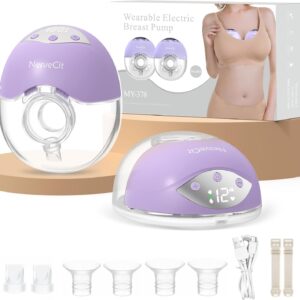
Nipple cream, hands-free breast pump, nursing bras and lactation support supplements (fenugreek, blessed Thistle, etc.) can be used to support milk production naturally (with medical guidance).
4. Combating Fatigue and Sleep Loss Smartly
Sleep deprivation doesn’t just cause frustration; it can cause mood swings and harm immune function postpartum. A case study found that minimal nighttime interruptions and scheduled periods of rest improve postpartum resilience.
Simple nursing tips
- Provide tools like blackout curtains, dim lighting, and a noise machine.
- Discourage unnecessary overnight chores
- Suggests taking naps when the baby is sleeping
- Screen for persistent insomnia
Better rest ensures smoother newborn care and stronger moms.
Aromatherapy diffuser with calming oils (e.g., Lavender) and noise-canceling headphones or white noise machine support rest and sleep hygiene, especially during fragmented postpartum sleep.
5. Restoring Bladder and Bowel Health Gently
Postpartum urinary issues such as frequency, retention, or leakage are common early on.
Nursing protocols:
- Teach pelvic floor exercises with devices or verbally
- Use bladder scans if retention is suspected
- Encourage restroom use every 2-3 hours
- Promote hydration to prevent UTIs
Most mothers are reported to regain normal urinary control before discharge with these strategies. A PubMed study indicates epidural use and prolonged pushing as risk factors, while pelvic floor routines enhance function.
Pelvic floor trainer, postpartum underwear, bladder support herbal Tea , and postpartum support belt offer gentle core and bladder support by stabilizing the pelvic area.
6. Guarding Emotional Health Through Early Detection
“Baby blues” affects up to 80% of mothers, and full-blown postpartum anxiety/ depression affects around 14% globally. Some research indicates that early intervention/diagnosis and routine depression screening reduce long-term risks by nearly one-third.
Nurses should:
- Be empathetic listeners and normalize the emotional journey.
- Educate families on red flag behaviors.
- Arrange support groups and mental health referrals if necessary
Early detection can greatly help to forge healthier baby-parent dynamics and infant development.
Frequently Asked Questions
1. Do all new moms get a personalized post-partum care plan?
Ideally, every mom should get her plan, but it’s not always necessary. Hospitals and midwives often use standard checklists, but nurses assess each mother’s concerns and symptoms to create an individual plan.
2. Is postpartum care only about physical recovery?
No. Postpartum always includes emotional support, preparing for life with a new baby, sleep guidance, and help with feeding. Nurses focus on the mother’s body as a whole to ensure a smoother transition into motherhood.
3. What if I don’t feel ready to go home after the delivery?
It’s okay to feel like that. Communicate your feelings with your doctors and nurses to help them review your healing or extend your stay if needed (depending on your emotional situation and location).
4. What’s the difference between baby blues and postpartum depression?
Baby blues are short-term mood swings. They usually pass within 1-2 weeks. Postpartum depression lasts longer and is more intense. It can include deep sadness, detachment from your baby, loss of interest, etc. If they persist longer, reach out for help.
5. Can dad or partners be involved in postpartum care plans?
Yes, they should be. When partners are actively involved, mothers feel less frustrated and supported. Nurses often guide partners on how to support the mother with feeding, diapering, rest, and emotional encouragement.
The postpartum period is a transformative time that demands tailored nursing care—combining medical attention with emotional support. Addressing physical comfort, protecting against infection, encouraging breastfeeding, aiding rest, and safeguarding mental health form the backbone of a robust postpartum plan. By blending compassion with clinical evidence, nurses provide care that helps mothers heal, bond, and flourish. Support doesn’t end at discharge—it evolves, much like motherhood itself.













Add Comment