Like most parents, we are often extremely concerned about our children’s physical health. We celebrate the first steps, the first bite they take themselves, track their height on a wall or a door, and worry about whether they are eating nutritious meals. But there is another aspect on which we should focus: the toddler’s internal world. As parents, we are our children’s first emotional coaches. The world in which our kids are growing is faster, more diverse, more advanced, and digital. A 2024 systematic review published in Frontiers in Psychology highlighted that “non-therapeutic play, the kind of play you do at home, is one of the most effective ways to reduce anxiety and increase emotional intelligence in children.
You don’t have to be a therapist for your child. The key is to use kids’ mental health activities to turn your home into a training ground for resilience. Here is a detailed article describing some mental health activities for kids, broken down by age, and the specific science behind why these games work.
Read about: Toddler-Proofing Your Home: Safety Tips for Parents
Why Play is Important for Mental Health?

Before we talk about the games and their benefits, let’s talk about the “why” behind their importance. A study from the Harvard Center on the Developing Child shows that kids can’t manage their emotions; they have to build “circuitry” for it.
Play encourages the child to practice “executive function”. This is the brain’s traffic control system. It helps them to prioritize tasks, filter distractions, and, most importantly, regulate their impulses. Managing mental health games for kids doesn’t only mean passing the time; you are actually helping them build a stronger prefrontal cortex.
In fact, some research shows that parents playing with their kids will result in fewer chances of long-term anxiety or depression. Games and play lower cortisol (the stress hormone) and boost oxytocine (the connection hormone).
Phase 1: The foundation (Ages 3-7)
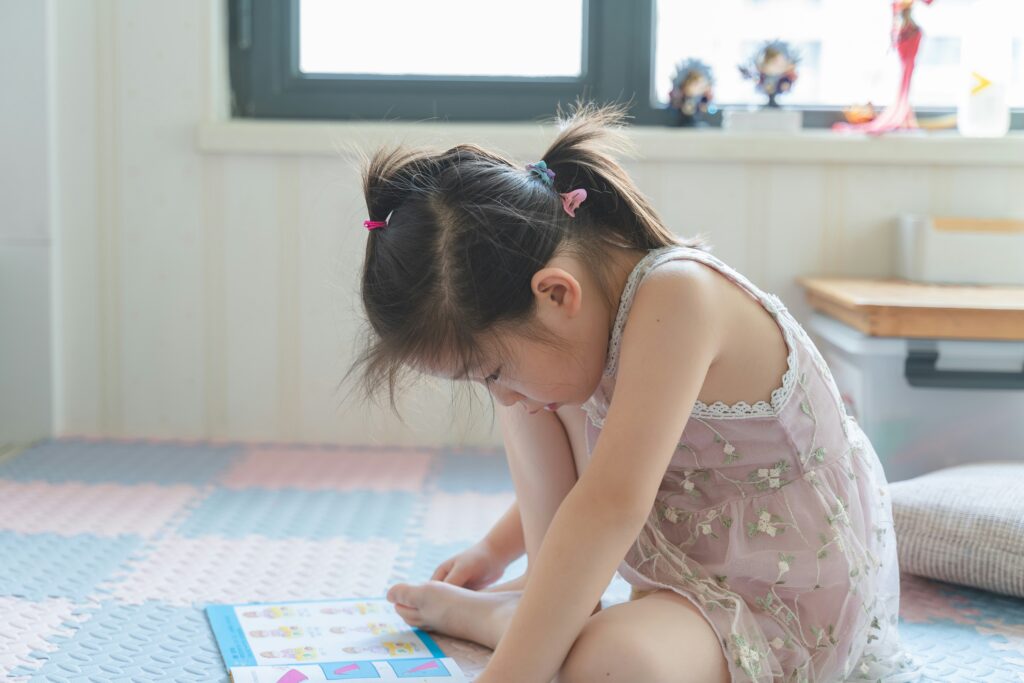
Here are some interesting mental health activities for kids of this age:
1. The “Worry Monster” Box:
Take a tissue box and paint it like your child to look like a “monster”. Give it an interesting name. Tell your child this monster loves to eat worries. Whenever your child feels anxious, make them write that feeling on a paper and “feed” that paper to the monster.
The science behind this: this uses a psychological need called Externalization. According to narrative therapy research, when a child moves their “inside” unsettling feelings to a physical box, it decreases their worry. In this way, they can handle their emotions before their emotions start describing them.
2. Feeling Charades:
Write basic emotions (happy, sad, angry, anxious, scared, brave) on paper strips. Take turns to act them out without saying anything.
The science: This builds Emotional Literacy. A study in the Journal of Child and Family Studies says that children who can accurately label their emotions are 40% less likely to become aggressive. If they can recognize it, they don’t have to act it out with their fist or feet.
3. Breathing Bubbles:
Instead of just telling a crying child to “calm down, grab a bottle of bubbles, and ask them to blow the “slowest, largest bubble possible”.
Science: Deep diaphragmatic breathing is needed to blow a bubble. This phenomenon triggers the Vague Nerve, which tells the nervous system to move from the “Fight or Flight” to the “Reset and Digest” system. This proves to be a psychological “off switch” for a tantrum.
Phase 2: (Age 8-12)
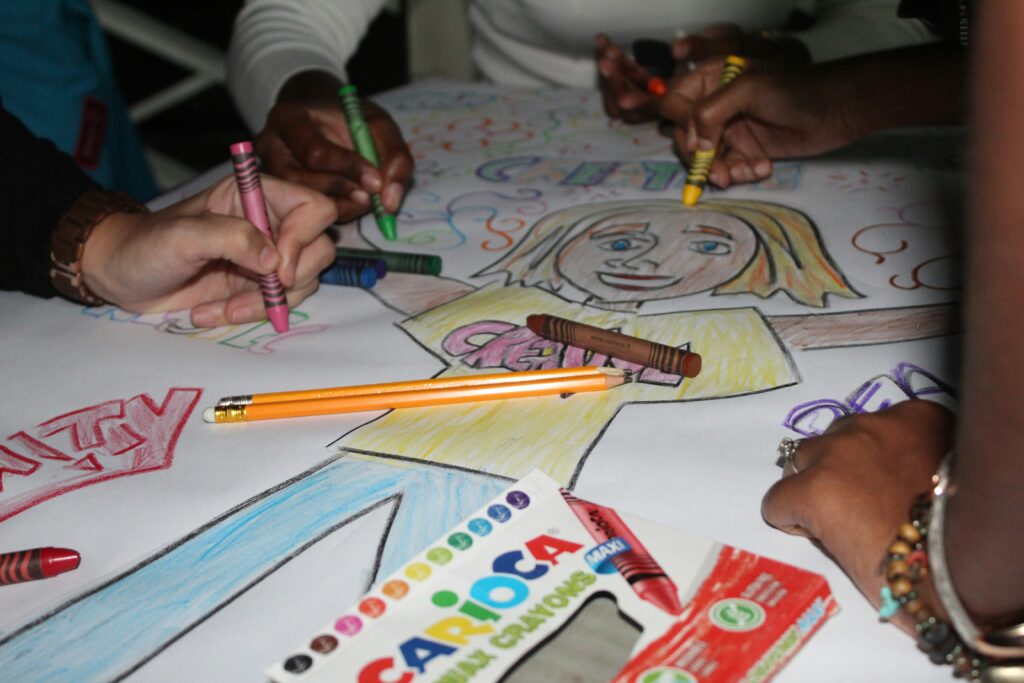
Let us talk about some mental health activities important for kids when they enter elementary and middle school.
4. “Work Burden” Sensory Games
This helps when your child is feeling hyper irritable due to “heavy work”. This activity includes carrying a heavy backpack across the room, a wall push-up contest, or even more interesting human burrito. (rolling them up in a blanket)
Science: This provides Proprioceptive Input. For many kids, emotional disregulation can lead to some sensory issues. Pushing or pulling against resistance sends calming signals to the brain.
5. The Gratitude Scavenger Hunt
Instead of a stereotypical “what are you thankful for? Talk, ask them to hand and find out:
- Something that smells good.
- Something that is their favorite color.
- Something they are glad to own.
- Something that strengthens them.
Science: This is rooted in positive psychology. Research by Dr. Martin Selgman shows that “intentional noticing” of positive things rewires the brain’s “negativity bias. This activity is best for understanding what is going well rather than what is going wrong.
6. The Future Prediction Game:
When the child is anxious about something (for example, a test), make them sitdown and play this game with them.
- What is the worst that could happen? (I fail and get struck off)
- What is the best thing that could happen? (I get 100% and a gold medal)
- What’s the most likely case? (I’ll get average grades, and life will move on)
Science: This is the core component of Cognitive Behavioral Therapy (CBT). It teaches children to face their thinking and track future events rather than fearing them.
Phase 3: The teen years (Age 13-18)

Teenagers undergo the biological remodeling phase. Because of this, mental health activities for teens must feel more like a tool than a lesson.
7. Mental Health Playlist
Ask your teenager to make three diiferent playlist on Spotify or other music apps. Categorize them in this way:
- One when they are feeling up (Happy/ Hyped)
- One when they are processing (sad/ chill)
- One when they need to shut the world around them (lofi/ instrumental).
The science: music therapy research shows that music hit Amygdala (the emotion center) directly and bypass verbal center. Help your teen to use music intentionally so they can regulate themselves even when they are not around.
8. Journaling
Encourage your kid to keep a journal by the bed. Every night they write for 3 minutes about everything that comes into their mind; whether a worry or what to do list. No structure, no grammar rules, and no judgment.
Research: A study from the University of Chicago found that “expressive writing” calms down the senses and emotional turmoil. It offloads the mental burden and significantly reduces anxiety levels.
9. No-Pressure Chat
Teens often can’t answer properly when asked direct questions. Instead, use a question jar with prompts like: “What is the one thing you want to change in your adults?”
The research: This creates a low-stakes environment. By talking about the “fun” topics, you keep the relationship gate flexible. They would most likely come and talk to you when they face a crisis because the habit of communicating with you has already been built.
Check out: Learning Activities for Toddlers at Home: Early Childhood Development
Final Thoughts:
Prioritizing your child’s mental health by providing mental health activities is a gift that will last longer than any toy or video game. You are teaching them that their internal world is important too. This gives them the power to control their response.
Star on a small scale. Pick one game or activity per week. Observe their response. They might feel a little awkward at first, but keep going. Every minute you spend together, every time you play together, every time you listen to them without judgment, you are building a bridge that will help them walk towards you without any hesitation.
Frequently Asked Questions
1. How do I adapt these games if my child has ADHD/ autism?
For ADHD, shorten the duration of games. Instead of a 20-minute mental health activity, try games like where they have to find 3 things in 3 minutes. For autism, use visual boards and be careful about sensory triggers.
2. What if my child refuses or calls the activities cringe?
These things are common, especially with teens. The key is not make it look like a “work” or “therapy”. If they refuse, don’t force the activities. Let it go and try again later when they are in a natural mood.
3. Can diet and sleep routine affect mental health activities?
Yes, high sugar intake can cause blood sugar crashes that mimic anxiety and irritability. Ensure the intake of magnesium and omega-3s. These nutrients are important to calm the brain and to make it function properly.
4. How long does it take to see a difference in my child’s resilience?
Breathing exercises work in minutes. Research suggests consistent practice takes 8 to 12 weeks to reshape emotional habits. Look for “micro-wins,” like a child naming a feeling before a meltdown.
5. When does “typical” childhood stress become a mental health concern?
If your child shows social withdrawal, persistent sadness, or changes in sleep/appetite for more than 14 days, consult a professional. Chronic unexplained stomachaches or headaches are often physical manifestations of psychological distress in children.

Add Comment