
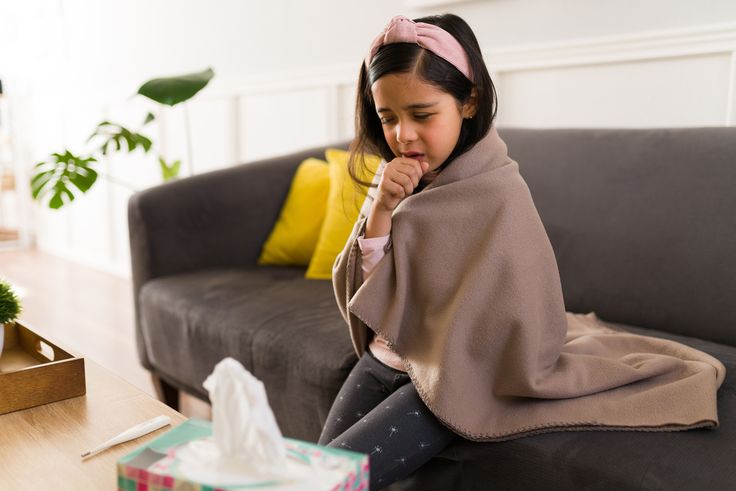
Every parent and toddler require a peaceful nighttime. But if you are lying awake, noticing your little one’s restlessness and listening to their cough, then you are not alone. A toddler coughing at night is one of the most common concerns among parents, especially when it gets worse at night. Ts natural to worry if the cough is serious, what can you give them, and how can you help them sleep, if the cough’s sound becomes constant and your child keeps waking up.
The good news is that most of the time, it’s not that serious. Your child’s cough can be cured by proper care and understanding. In this guide, we’ll walk through everything you need to know — including how to soothe a toddler cough at night, and how to stop a constant cough in a child at night — naturally and confidently.
Why Is My Toddler Coughing at Night?
Coughing is one of the ways by which the body clears the airways. At night few triggers may make it more noticeable and disruptive, like:
- Dry indoor air irritates your toddler’s throat.
- Postnasal drip from a cold or allergy.
- Mild reflux or sometimes undiagnosed asthma.
- Lying flat allows mucus to collect.
Sometimes a cough might sound scary, but it’s the body’s natural response to irritation or congestion. Still, understanding what’s behind it helps you act effectively.
Also know about: Why Won’t My Toddler Sleep? Common Sleep Problems and Fixes
What to Give a Toddler for a Cough at Night?

One of the major questions that parents ask is: “What can I give my toddler to stop coughing at night?”
For children over one year of age, a spoonful of honey before bed can help soothe the throat from irritation (never give any honey-related item to children under 12 months due to the risk of botulism). Other gentle options include warm apple juice or warm water.
A toddler safe, warm compress or heating pad can also be applied gently to the chest or back to ease discomfort and encourage relaxation.
If your child has a mild cough, then keep them hydrated throughout the day, and also keep their nasal passages clear can make nighttime easier.
Avoid random cough syrups unless prescribed by a pediatrician, as many are not effective or safe for young children.
How to Soothe a Toddler Cough at Night Naturally?

Medicines are not always needed to cure your child’s restlessness. Here are some gentle and natural remedies and ways to soothe a toddler’s cough at night:
Sleeping Position:
Slightly raise the head of your toddler with a towel under the mattress or with an inclined mattress insert instead of a pillow under the head or shoulder. This can help prevent mucus buildup and reduce coughing.
Safe Bedding:
Using safe and allergen-free sheets and blankets can prove very effective in soothing your child’s senses. Allergen-proof mattress & pillow covers protect against dust mites and allergens that may irritate airways. Breathable, hypoallergenic sheets & blankets are soft and gentle for sensitive skin and also reduce irritation.
Run a Cool Mist Humidifier:
Dry air, mostly in winter, can irritate the airways. A humidifier adds moisture to the air and helps your child breathe and rest easily.
Chest Rubs & Natural Remedies:
Rub toddler-Safe Vapor Rub on your young one’s chest, back, or feet to ease cough and congestion. Soothing chest balms are often made with herbs like calendula and chamomile to calm nighttime coughing. A gentle patch, such as a inhaler patch, may also prove effective.
Warm Steam before Bed:
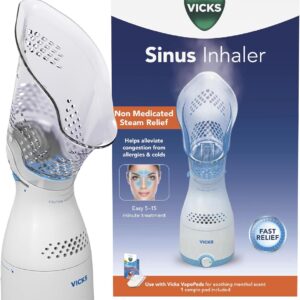
Let your child sit in a steamy bathroom for 10-15 minutes before going to bed. This steam loosens mucus and makes breathing convenient. You can also use a cold steam inhaler, but keep in mind that your supervision is necessary in all these methods.
Saline Spray and Gentle Nose Cleaning:
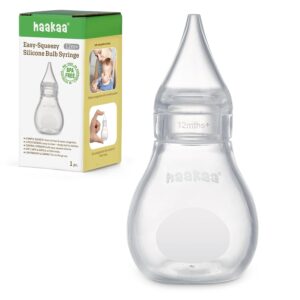
If a stuffy nose is triggering mouth breathing and dry cough, use saline drops or gel before bed and gently clear the nose with a bulb syringe or nasal aspirator.
How to Stop a Constant Cough in a Child at Night:
If the cough worsens and seems never-ending, then it’s time to take strategic steps. Combine these few habits for better results:
- First, keep their room dust-free and use a humidifier
- Avoid common allergens like smoke, strong perfumes, and pet dander.
- Ensure their hydration throughout the day.
- Stick to a calming bedtime routine with warm bottles and quiet time.
You can also monitor when the cough occurs. Does it start after lying down? Only in certain rooms? After meals? These clues can point toward things like reflux or allergies.
Is It Allergies, Asthma, or Just a Cold?

A cough isn’t always just a cold. Here are some ways to spot the difference:
- Allergies may include itching eyes, a runny nose, and sneezing.
- Asthma may cause coughing after some activity or early in the morning.
- Cold usually comes with congestion and resolves in 7-10 days.
If your toddler’s cough comes with wheezing or trouble breathing, and if it only happens at night, consult your pediatrician regarding asthma or allergies.
Best Bedtime Environment for a Cough-Free Night:
The room of your toddlers matters a lot in maintaining their healthy lifestyle. Here’s how to make it more cough-friendly:
- Clean it regularly to avoid dust buildup.
- Keep it cool and not too dry.
- Avoid heavy blankets that trap heat and irritants.
- If your child has allergies, limit stuffed animals.
You can’t get instant results after making some changes, keep consistent, and give it a few nights to see results.
check out: Toddler Milestones by Age: What to Expect and When
When to Worry About a Toddler’s Cough:

Most coughs, as mentioned before, go away on their own. But here are some warning signs that need a doctor’s attention:
- Difficulty in breathing and wheezing.
- Coughing so hard that it leads to bleeding or vomiting.
- The cough lasts longer than 10 days.
- High fever (over 100.4°F / 38°C).
- Signs of dehydration (fewer wet diapers, dry mouth, or fewer tears).
If you are sensing any one of these signs. Trust your gut feeling. It’s always better to check in with a healthcare provider.
Frequently Asked Questions:
1. Should I wake my toddler up if they are coughing in their sleep?
If your toddler is sleeping peacefully and breathing easily, then there is no need to wake them up. Wake them only if coughing is severe, persistent, or disrupts your child’s breathing.
2. Does milk make a toddler’s cough worse?
There is a common belief that milk causes mucus collection, but there is little scientific evidence regarding this belief. Unless your child is allergic to milk and dairy products, milk is generally safe during coughing.
3. Can a humidifier help with a toddler’s cough at night?
Yes. A cool mist humidifier moistens the air, especially in cold and dry seasons. This provides relief to your toddler’s throat from irritation and coughing.
4. Is it normal if my child coughs more after lying down?
Yes, lying flat can cause mucus to drip down the throat, which triggers coughing. So, it’s normal if your toddler coughs more shortly after lying on the bed or during the night.
5. Can reflux cause nighttime coughing in toddlers?
Yes. Gastroesophageal reflux (GERD) can cause chronic coughing, especially at night, due to stomach acid irritating the throat. If suspected, discuss symptoms with your doctor.
Hearing your toddler’s coughing at night can be tough for both you and your child. Whether you are staying up late or going from one method to fix the cough to another, keep in mind that you are not alone. Support your little one with comfort, care, and presence. And keep in mind, even if it feels like the coughing won’t stop, trust your instincts and stay calm.











Add Comment