
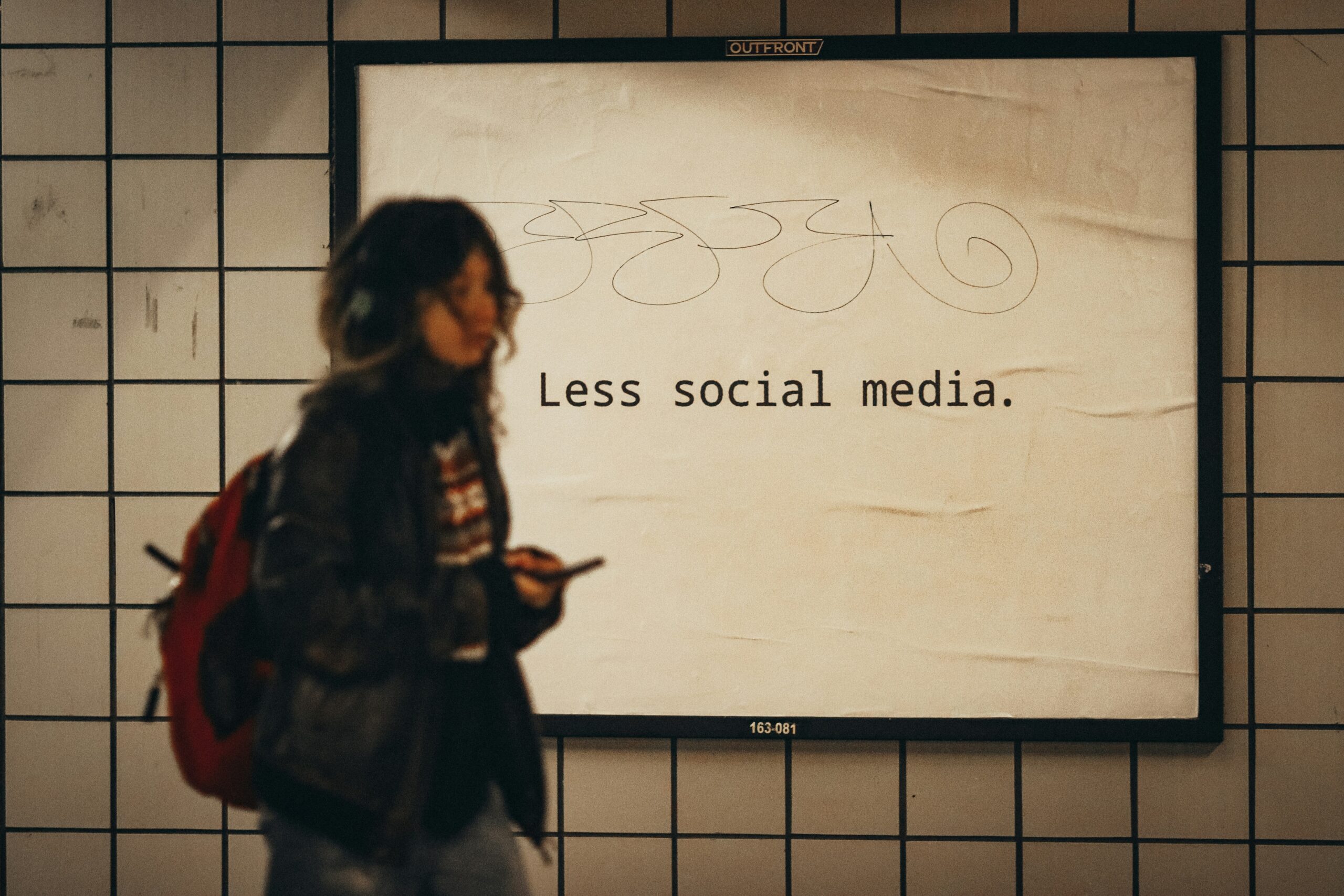
The teenage years are full of peer pressure, identity crises, and emotional ups and downs. Add the digital worlds into the mix and see how things become even more complicated. Today, social media is affecting teens’ mental health severely. Social media is no longer just a pastime; it’s often the lens through which they view themselves, their fellows, and even the wider world.
Platforms like TikTok, Instagram, and Snapchat are now central to how teenagers interact with other people and explore identity. These platforms can foster creativity and connection, research increasingly shows that they can ruin their mental health, in powerful and sometimes harmful ways. Understanding both the risks and benefits is essential for parents, teens themselves, and educators.
Social Media Effects on Teens:
Social Media’s Role as a Double Edged Sword
Social media isn’t inherently bad; it gives teens a platform to connect with friends, share creativity, and find supportive communities. For example, depressed teens often report that online spaces make them feel less isolated. Similarly, those suffering from chronic illness can find others who can understand their challenges.
On the other hand, research consistently shows that the negative effects of social media grow when use is frequent, tied to self-worth, and unbalanced. A 2019 JAMA Psychiatry study found that adolescents who spend more than three hours a day on social media were more likely to experience symptoms of depression and anxiety. This doesn’t mean that all use of social media is affecting teens’ mental health in a harmful way, but it highlights the risks of overexposure.
A Factor of Sleep Deprivation

One of the hidden negative effects of social media is its impact on sleep. Teens who often scroll through Instagram late at night struggle with disrupted sleep cycles. According to the Journal of Youth and Adolescence, nighttime social media use is strongly linked to poor sleep quality, which in turn increases the risk for anxiety and depression.
Blue light from mobiles and laptops suppresses the production of melatonin, the hormone that regulates sleep. Combined with the psychological exhaustion of endless scrolling, it becomes harder for teens to “switch off” their screens. Over time, this lack of rest impacts everyday routine, concentration in school, mood regulation, and even physical health.
Self Esteem and Social Media
Self-esteem is the clearest area where social media has an impact. A study in the Journal of Adolescence highlights that teens who spent more time on image-based platforms like Instagram and TikTok reported higher body dissatisfaction and self-sabotaging tendencies.
The question here is: Why? Teens compare their everyday lives to heavily curated highlight reels. Airbrushed filters, photos, and staged content can create unrealistic standards of beauty, success, or popularity. This comparison culture can lead to harmful thoughts in teens still building their sense of identity. They can think like “I’m not good enough” or “I’ll never look like that”.
Signs of these include obsessively watching likes and story views, spending excessive time editing photos, or isolating when their online posts don’t get enough engagement.
Cyberbullying: A Common Issue
Cyberbullying highlights how social media affects mental health of teens . Unlike traditional bullying, which is often limited to specific places or times, cyberbullying can follow teen everywhere through their phone. The Pew Research Center reports that 59% of teens in the US have experienced cyberbullying in one way or another.
The consequences are severe: studies link cyberbullying to increased rates of depression, anxiety, and suicidal thoughts. It often happens in private messages or comments, so parents may not notice its effects until they are visible in their behavior. The signs may include irritability, withdrawal, or unexplained sadness.
Envy and

Social media thrives on comparison at its core. Teens measure their worth by followers, likes, and comments, even though they intellectually know that much of what they see is staged.
The American Psychological Association notes that upward social comparisons, comparing oneself to people perceived as “better off”, are strongly associated with lower well-being. For example, a teen might compare their lifestyle with a classmate’s glorious vacation photos, even though those pictures are carefully selected snapshots. This constant comparison breeds dissatisfaction and envy.
Anxiety, FOMO, and Digital Stress
The “fear of missing out” (FOMO) is a powerful driver of social media anxiety. Constant notifications, endless group chats, and updates about hangouts or parties to which teens were not invited can trigger feelings of exclusion and isolation.
Psychologists call this digital stress, the pressure to respond quickly, to be available, and to maintain an idealized online identity. Research shows that teens who check their phones more than 20 times per day are significantly more likely to report anxiety symptoms. Even positive interactions can create stress, as teens feel pressure to maintain the same level of popularity online.
Identity Crisis and Social Image

Social media also plays a huge role in identity development. Teens experiment with how they present themselves online, often creating multiple accounts (so-called “finstas”) to show multiple aspects of their identity.
This can sometimes prove positive, offering safe spaces to explore identity, but it can also induce confusion and pressure. Teens might feel that they have to maintain different personas: the “perfect” online self and their real, offline identity. When the gap between these becomes too wide, it can cause personality disorders and feelings of inauthenticity.
How Social Media Causes Depression
Long hours online aren’t just linked to anxiety; they are also tied to depression. A 2019 study in JAMA Psychiatry involving over 6500 adolescents found that teens spending more than three hours daily on social media had a much higher likelihood of depressive symptoms.
This connection may come from multiple factors: disrupted sleep, lack of physical activity, exposure to cyberbullying, and comparison culture. Not every teen on social media becomes depressed, but the risks are higher when digital life replaces the healthy offline experiences like hobbies, family time, friendship, and sports.
Positive Effects of Social Media
Not all effects need to be negative. When used thoughtfully, social media can enhance mental health. Studies show that online peer support communities reduce isolation for teens experiencing chronic illness, bullying, or minority stress. Creative platforms like YouTube and TikTok allow for skill-building and self-expression.
For many teens, especially during events like during events like COVID-19 pandemic, social media proved to be a lifesaver by keeping teens connected with friends and schools. The key is ensuring use is balanced and intentional.
How to Build Healthier Social Media Habits

Parents and caretakers play a significant role in shaping how social media is affecting teens’ mental health. Research suggests that family involvement, not just restrictions, leads to healthier use. Here are some evidence-backed strategies:
- Set screen-free times: Especially during meals and at bedtime.
- Foster open conversations: instead of controlling them with strict bans, talk about what teens see online and how it makes them feel.
- Encourage balance: Promote hobbies like reading, arts, and sports to balance the time they spend online.
- Model good behavior: teens mimic adults, so parents should also use the phone in a healthier way.
- Use tech tools: Features like “focus mode” or “screen time reports” help teens manage usage mindfully.
Also read about: Protecting Your Teen from Bullying: 10 Ways to Keep Them Safe
Final Thoughts:
Social media is not disappearing anytime soon; it is part of modern life. For teens, it provides both opportunities and challenges. While it offers connection, support, and creative outlets, it also brings risks of depression, anxiety, poor sleep, and low self-esteem when used excessively or without guidance.
The goal isn’t to eliminate social media but to teach teens to use it mindfully. By setting boundaries, encouraging balance, and maintaining open dialogue, families can ensure that social media becomes a tool for growth rather than a source of harm.
Frequently Asked Questions
1. How much social media time is safe for teens?
Experts suggest keeping recreational screen time under 2 hours a day. This ensures that school, sleep, and physical activity remain a priority.
2. How do I know if social media is affecting my teen’s mental health?
Watch for changes like withdrawal, sleep problems, irritability, obsession with online validation, or declining grades. These may show distress due to social media.
3. Can quitting social media improve mental health?
For some teens, taking a break leads to improved focus or mood. However, balance, rather than a complete cut off, is often more sustainable.
4. Do social media affect boys and girls differently?
Yes. Studies show that girls are more prone to comparison culture and body image. Boys, on the other hand, face issues with gaming-related communities or online aggression.
5. What’s the first step if my teen resists boundaries?
Start with empathy. Ask about their experiences online and gradually introduce limits, explaining the importance of balance for mental health.

Add Comment