
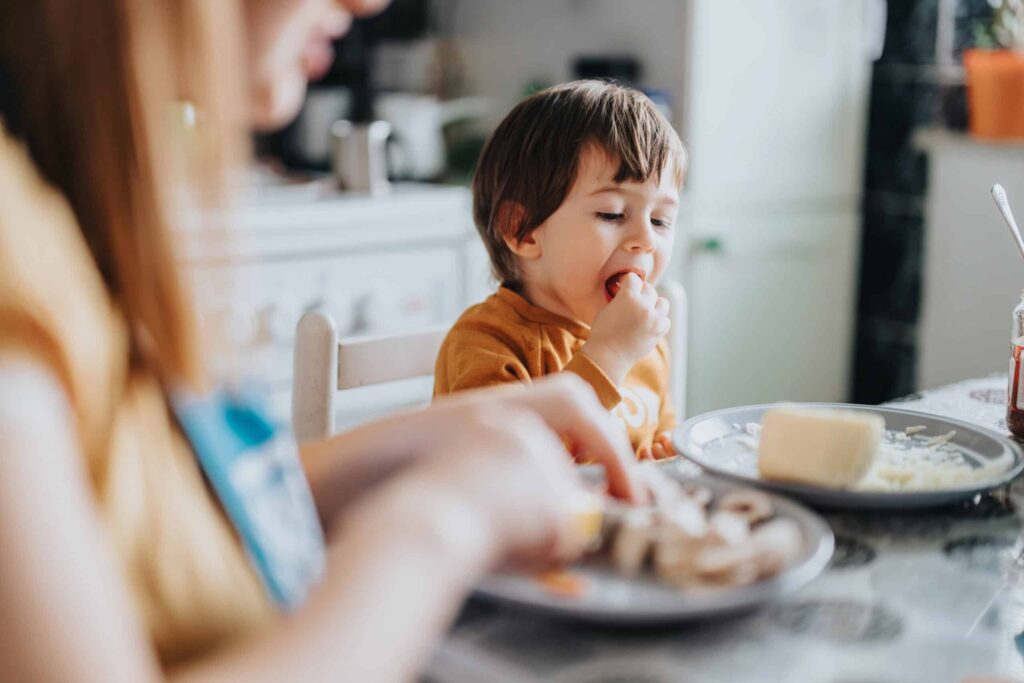
Feeding healthy meals to picky toddlers can actually really feel like negotiating with tiny, unpredictable meals critics who change their preferences hourly. The rooster nuggets they devoured yesterday immediately develop to be “yucky,” and the once-beloved bananas are literally met with crossed arms and sealed lips. In step with research from the American Academy of Pediatrics, virtually 50% of toddlers bear a picky consuming half, making mealtime a few of the tough options of early childhood parenting.
Understanding why toddlers develop to be selective eaters is the 1st step in the direction of creating meals they will really devour. Between ages one and three, children experience speedy developmental modifications that impact their consuming habits. Their progress cost slows as compared with infancy, naturally decreasing urge for meals. They’re moreover discovering autonomy and testing boundaries, with meals being one house the place they’re going to exert administration. Sensory sensitivities to textures, colors, and temperatures play very important roles too. When armed with information about these developmental phases and outfitted with creative strategies, caregivers can rework mealtimes from worrying standoffs into options for constructive vitamin.
Why Toddlers Transform Picky Eaters: The Science Behind Selective Consuming
The toddler thoughts operates in any other case than grownup brains regarding meals acceptance. Analysis from leading pediatric nutrition experts at Stanford Children’s Health reveal that toddlers may must be uncovered to a model new meals 10 to fifteen cases sooner than accepting it. This phenomenon, known as “meals neophobia,” is certainly an evolutionary defending mechanism that prevented youthful children from consuming doubtlessly dangerous substances when left to find independently.
Texture aversions are considerably widespread all through the toddler years. Many youthful children need meals with fixed textures and reject one thing “mushy,” “slimy,” or with stunning variations. The tactile experience of meals points tremendously at this developmental stage. A toddler may thankfully eat straightforward applesauce nevertheless refuse apple chunks, not attributable to fashion, nevertheless attributable to how the meals feels of their mouth.
Developmental milestones moreover have an effect on consuming behaviors. As toddlers develop to be further cell and interested in their environment, sitting nonetheless for meals turns into an increasing number of powerful. Their consideration spans are fast, and the thrilling world spherical them seems far more fascinating than what’s on their plate. The Centers for Disease Control and Prevention emphasizes that understanding these developmental parts helps caregivers set actual trying expectations and create relevant meal strategies.
Foundation Guidelines for healthy meals for picky toddlers
Sooner than diving into specific meal ideas, establishing core feeding guidelines creates a framework for long-term success. The division of responsibility in feeding, developed by registered dietitian Ellyn Satter, provides an environment friendly technique. Dad and mother decide what meals are offered, when meals occur, and the place consuming happens. Toddlers decide whether or not or to not eat and the way in which quite a bit to devour. This framework removes pressure whereas sustaining development.
Making a predictable meal schedule helps regulate toddler hunger patterns. Most toddlers thrive with three necessary meals and two to some snacks every single day, spaced roughly two to some hours apart. Fixed timing prevents excessive hunger, which could make children too overwhelmed to aim meals, whereas moreover guaranteeing they arrive to meals with relevant urge for meals. Nutritionists at the Mayo Clinic advocate avoiding grazing between scheduled consuming cases to maintain up healthful hunger cues.
The consuming environment significantly impacts toddler meals acceptance. Minimizing distractions by turning off screens, eradicating toys from the desk, and sitting collectively as a family creates think about the meal. Making the desk a pleasant, pressure-free zone encourages exploration. Avoiding food-related vitality struggles prevents mealtimes from turning into battlegrounds the place every occasions dig in stubbornly.
Read about: Full Postpartum Meals Plan for Breastfeeding Mothers: Nourishing Two Lives
Breakfast Ideas That Start the Day with Eating regimen
Breakfast usually presents distinctive challenges with picky toddlers, notably for households rushing by way of busy morning routines. Creating grab-and-go selections that pack dietary price ensures toddlers start their day well-fueled even when time is proscribed.
Mini whole grain muffins made with mashed bananas, grated zucchini, or pureed sweet potato current greens in a well-recognized, fascinating format. The naturally sweet fashion and comfy, fixed texture enchantment to many selective eaters. Baking a batch on weekends provides quick breakfast selections all by the week. Pairing these muffins with a protein provide like scrambled eggs decrease into small strips or a small serving of Greek yogurt creates balanced vitamin.
In a single day oats present one different versatile breakfast reply. Combining rolled oats with milk, mashed berries, and a contact of maple syrup creates a creamy, sweet breakfast that appeals to toddler fashion preferences. The chilly temperature and simple consistency work successfully for youths with texture sensitivities. Together with chia seeds boosts omega-3 fatty acids with out significantly altering texture. Serving in a single day oats in small components with vibrant toppings like a variety of blueberries or a drizzle of nut butter makes the meal visually fascinating.
Smoothie bowls rework vitamin into an interactive experience. Mixing frozen fruits with yogurt and a handful of spinach creates vibrant colors that seize toddler consideration. The spinach style disappears beneath the fruit, providing hidden greens. Serving the smoothie in a bowl with toppings toddlers can sprinkle themselves—like granola objects, coconut flakes, or sliced strawberries—offers them administration and engagement with their meals.
French toast strips constructed from whole grain bread current acquainted comfort meals with added vitamin. Chopping the toast into “sticks” makes it good for toddler palms and creates a fulfilling consuming experience. Dipping these strips into small components of yogurt, applesauce, or mashed berries offers choice and encourages making an attempt completely completely different flavors in a low-pressure technique.
Lunch Selections That Stability Eating regimen and Attraction
Lunchtime presents options for creative reveals that make healthy meals for picky toddlers irresistible to skeptical toddlers. The necessary factor lies in offering acquainted favorites alongside new objects, creating seen enchantment, and holding components toddler-appropriate.
Deconstructed meals work exceptionally successfully for healthy meals for picky eaters who dislike blended meals. Comparatively than serving a typical sandwich, offering components individually permits toddlers to handle their consuming experience. Small whole grain crackers, thin-sliced deli turkey or cheese, cucumber rounds, and cherry tomato halves organized in sections of a divided plate let children assemble bites in step with their preferences. This technique moreover reveals which meals the child really enjoys versus which ones are rejected simply because they’re blended collectively.
Quesadillas current wonderful cars for sneaking vitamin into toddler-approved codecs. Spreading a thin layer of refried beans or hummus on a whole wheat tortilla sooner than together with shredded cheese creates protein-rich vitamin in a well-recognized, fascinating bundle. Chopping the cooked quesadilla into triangles or using cookie cutters to create shapes transforms the meal into one factor specific. Pediatric nutrition experts at Children’s Hospital of Philadelphia observe that acquainted reveals improve meals acceptance expenses significantly.
Pasta salad with hidden greens appeals to toddlers who love carbohydrates. Using small pasta shapes like ditalini or orzo creates relevant sizes for little mouths. Mixing the cooked pasta with finely diced cucumbers, halved grape tomatoes, small mozzarella balls, and a lightweight olive oil dressing provides balanced vitamin. The pasta serves as a result of the acquainted anchor meals that encourages consuming, whereas the greens current necessary nutritional vitamins. Conserving the greens decrease very small reduces the possibility they will be picked out.
Soup in a cup transforms standard soup proper right into a further toddler-friendly format. Many youthful children actually really feel overwhelmed by full bowls and like smaller components. Serving tomato soup, lentil soup, or rooster noodle soup in a small cup with a cope with offers toddlers administration and makes the portion actually really feel manageable. Pairing the soup with whole grain crackers for dipping offers an interactive ingredient that engages reluctant eaters.
Dinner Strategies for Ending the Day on a Optimistic Remember
Dinner usually represents primarily probably the most tough meal on account of toddlers are drained, overstimulated from the day’s actions, and fewer eager to cooperate. Creating simplified dinners that reduce mealtime stress benefits every toddlers and caregivers.
The “assemble your private” technique works remarkably successfully at dinner. Taco night the place relations assemble their very personal snug tacos lets toddlers choose their hottest substances. Offering ground turkey or black beans, shredded cheese, diced tomatoes, lettuce, and bitter cream in small bowls permits selection with out pressure. Even when toddlers solely choose cheese and tortilla initially, they’re uncovered to completely different selections with out stress.
Sheet pan dinners are best for healthy meals for picky toddlers as they simplify preparation whereas providing full vitamin. Roasting rooster objects alongside sweet potato rounds, broccoli florets, and bell pepper strips creates a balanced meal with minimal effort. The caramelization from roasting enhances pure sweetness, making greens further fascinating to toddler fashion buds. Chopping the whole thing into toddler-appropriate sizes sooner than roasting ensures safety and ease of consuming.
Mini meatballs made with ground turkey or lean beef current protein in utterly portioned, easy-to-eat rounds. Mixing finely grated zucchini or carrots into the meat offers greens with out obvious detection. Serving these meatballs with a straightforward marinara sauce for dipping and a side of buttered whole grain pasta creates a whole meal that many picky toddlers accept. The acquainted Italian-inspired flavors and interactive dipping half improve enchantment.
Breakfast-for-dinner nights reduce stress when everybody appears to be exhausted. Full grain waffles or pancakes served with scrambled eggs and fruit provides balanced vitamin in a format most toddlers thankfully accept. This method proves notably useful all through considerably powerful durations when introducing new meals seems inconceivable. Registered dietitians at the Academy of Nutrition and Dietetics remind mom and father that any nutritious meal counts, irrespective of standard timing conventions.
Snack Ideas That Current Sustained Energy
Strategic snacking bridges dietary gaps and prevents excessive hunger between meals. Successfully-planned snacks combine protein or healthful fats with carbohydrates for sustained vitality and satisfaction.
Apple slices with sunflower seed butter current pure sweetness, satisfying crunch, and protein. The combination retains toddlers fuller longer than carbohydrate-only snacks. Using a crinkle cutter to create wavy edges makes the apples further visually fascinating and fulfilling to eat. For households with nut allergic reactions, sunflower seed butter affords a safe completely different to standard nut butters.
Handmade vitality balls constructed from oats, ground flaxseed, honey, and mini chocolate chips create treats that actually really feel specific whereas delivering vitamin. Rolling the mix into small, bite-sized balls makes good components for toddler palms. The naturally sweet style appeals to youthful fashion buds with out excessive added sugars. Making these collectively can also create constructive meals experiences and assemble familiarity with substances.
Cheese cubes paired with whole grain crackers and grapes sort a conventional snack combination that offers protein, difficult carbohydrates, and fruit. Chopping the cheese into fascinating shapes with small cookie cutters transforms odd cheese into one factor partaking. Halving or quartering grapes lengthwise prevents choking hazards whereas sustaining the fruit’s enchantment.
Veggie cups with hummus present greens in a dip-friendly format. Arranging cucumber sticks, bell pepper strips, and carrot sticks in a small cup with a tablespoon of hummus on the bottom creates an fascinating presentation. The ability to dip greens into one factor flavorful will enhance acceptance expenses amongst picky eaters who may reject plain greens.
Creative Presentation Strategies That Transform Meals
Seen presentation significantly impacts toddler meals acceptance. Straightforward modifications to how meals appears on the plate can dramatically improve willingness to aim new objects.
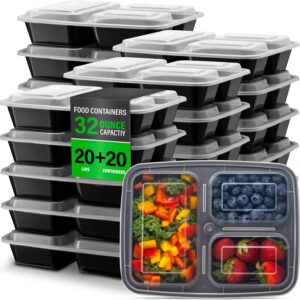
Using divided plates or bento-style bins creates seen group that appeals to many toddlers. Kids who dislike meals touching each other actually really feel further cozy when objects are separated. These plates moreover make it easy to produce a variety of selections in small components, following the principle of publicity with out pressure. Along with a minimal of 1 acquainted, accepted meals in each meal provides security whereas introducing new objects alongside it.
Creating meals art work with meals turns consuming into leisure. Arranging blueberries and banana slices to create a smiley face, positioning broccoli florets to look like timber, or making a scene with meals transforms the plate into one factor partaking. Whereas this requires further time, it could be worthwhile all through considerably tough phases. The novelty captures consideration and reduces resistance to making an attempt the provided meals.
Shade choice on the plate naturally will enhance dietary selection whereas creating seen enchantment. Aiming for a variety of colors—inexperienced broccoli, orange sweet potato, purple bell pepper, white rooster—ensures numerous nutritional vitamins whereas making meals further fascinating to take a look at. Toddlers reply positively to vibrant, vibrant reveals versus monochromatic plates.
Serving meals on toothpicks or small skewers makes consuming actually really feel like a selected event. Threading cheese cubes, deli meat objects, and cherry tomato halves onto toddler-safe picks creates “kebabs” that actually really feel thrilling and completely completely different. The novelty subject are essential healthy meals for picky toddlers and usually convinces reluctant eaters to aim meals they’d normally reject. Always supervise rigorously when using any picks or skewers with youthful children.
Read about: Set Healthy Screen Time Boundaries for Youngsters: A Full Info to Digital Wellness
Incorporating Additional Greens: Wise Strategies
Getting picky toddlers to devour sufficient greens represents a few of the widespread parental concerns. Plenty of approaches improve vegetable consumption with out creating vitality struggles.
Smoothies keep a few of the environment friendly methods for incorporating greens. Mixing a handful of up to date spinach or kale with frozen mango, banana, and a splash of milk creates a sweet, fruity drink with hidden greens. The fruit style totally masks the vegetable fashion, and the colorful shade is perhaps provided as a selected “superhero drink” or “dinosaur juice” to increase enchantment. Harvard Medical School’s nutrition guidelines assist incorporating greens in quite a few varieties to satisfy every single day requirements.
Vegetable-based sauces combine into acquainted meals seamlessly. Pureeing roasted butternut squash or carrots into marinara sauce offers greens to pasta dishes with out detection. The pure sweetness of these greens really enhances the sauce style. Equally, mixing pureed cauliflower into macaroni and cheese maintains the comfort meals enchantment whereas boosting vitamin.
Offering greens with acquainted dips will enhance acceptance. Many toddlers who reject plain greens will eat them when paired with ranch dressing, hummus, or yogurt-based dips. Whereas dips add vitality, the advantage of vegetable consumption outweighs concerns regarding the further fat or sodium, notably when deciding on extra wholesome dip selections or making them at residence.
Roasting greens brings out pure sweetness by way of caramelization. Brussels sprouts, cauliflower, and carrots develop to be further palatable when roasted versus steamed or boiled. The crispy edges and enhanced flavors enchantment to toddler fashion preferences higher than softer preparations. Tossing greens frivolously in olive oil and roasting at extreme heat creates texture and magnificence that even picky eaters may have the benefit of.
Rising greens collectively creates funding and curiosity about produce. Toddlers who help plant, water, and harvest cherry tomatoes or snap peas current elevated willingness to fashion these meals. The hands-on experience and possession of “their” greens transforms the reference to these meals. Even in small areas, rising herbs in pots or tomatoes in containers provides these benefits.
Addressing Widespread Dietary Issues with Selective Eaters
Dad and mother of picky eaters usually concern whether or not or not their toddlers acquire sufficient vitamin from restricted meals repertoires. Understanding which nutritional vitamins require consideration helps focus efforts appropriately.
Iron deficiency represents a dependable concern with extraordinarily selective toddlers, considerably those who refuse meat. Iron helps cognitive enchancment and vitality ranges. Fortified cereals, beans, lentils, and darkish leafy greens current plant-based iron sources, though these are a lot much less merely absorbed than meat sources. Pairing iron-rich meals with vitamin C sources—like serving beans with tomatoes or offering strawberries alongside fortified cereal—enhances absorption. Pediatricians can assess iron standing by way of blood exams if concerns come up.
Protein requirements are normally less complicated to satisfy than mom and father anticipate. Toddlers need roughly 13 grams of protein every single day, achievable by way of merely two cups of milk plus one ounce of meat or equal. Yogurt, cheese, eggs, beans, and nut butters all contribute to protein consumption. Even picky eaters usually devour enough protein by way of their hottest meals, making this a lot much less worrisome than completely different nutritional vitamins.
Calcium and vitamin D work collectively for bone enchancment and require consideration when dairy consumption is proscribed. Fortified plant milks, fortified orange juice, calcium-set tofu, and fortified cereals current choices for youths who reject standard dairy. Daylight publicity contributes to vitamin D manufacturing, though supplementation usually proves compulsory, notably in northern climates or all through winter months. Discussing supplementation with pediatric healthcare suppliers ensures relevant dosing.
Fiber consumption prevents constipation and helps digestive effectively being. Full grains, fruits with skins, and greens current fiber, which many picky eaters devour insufficiently. Offering whole grain variations of favorite meals—whole wheat pasta as a substitute of white, whole grain crackers versus refined—usually will enhance fiber consumption. Together with ground flaxseed to smoothies, yogurt, or baked objects boosts fiber with out altering fashion or texture significantly.
Understanding Age-Relevant Components and Expectations
Unrealistic portion expectations create pointless stress spherical toddler consuming. Understanding relevant serving sizes helps caregivers set inexpensive aims.
Toddler stomachs are remarkably small—roughly the size of their closed fist. This bodily limitation means they can not devour adult-sized components. A typical serving for toddlers equals about one-quarter of an grownup serving. One tablespoon of each meals per yr of age provides a typical guideline, though specific particular person appetites differ significantly.
Toddlers need frequent, smaller meals barely than big, uncommon ones. Their bigger metabolic expenses and smaller stomach capacities require consuming every two to some hours. Planning for 3 meals and two to some snacks every single day helps their dietary needs greater than making an attempt to maximise consumption at three big meals. This frequent consuming pattern explains why toddlers usually seem disinterested at mealtimes—they are not usually terribly hungry on account of their earlier snack was comparatively newest.
Improvement patterns impact urge for meals dramatically all through toddlerhood. After the speedy progress of infancy, toddlers’ progress expenses sluggish considerably. This pure deceleration means they need fewer vitality per pound of physique weight than infants. Days and even weeks of seemingly minimal consuming usually precede sudden progress spurts the place urge for meals will enhance rapidly. Monitoring progress patterns with pediatricians provides reassurance that seemingly inadequate consumption nonetheless helps common enchancment.
Meals preferences shift regularly all through early childhood. A beloved meals one week is also totally rejected the next, solely to reappear as a favorite later. This inconsistency frustrates caregivers nevertheless represents common toddler habits. Persevering with to produce beforehand rejected meals with out pressure maintains publicity and can enhance the possibility of eventual acceptance.
Managing Mealtime Behaviors Previous Pickiness
Picky consuming usually occurs alongside completely different tough mealtime behaviors that require separate strategies.
Meals throwing usually appears all through toddler meals, usually indicating fullness, usually testing boundaries, and usually expressing frustration. Responding calmly with out excessive response prevents reinforcing this habits. When throwing occurs, calmly stating “meals stays on the desk” and eradicating the plate alerts the meal has ended with out creating drama. Offering a substitute meal mustn’t occur—prepared until the next scheduled snack teaches that throwing ends consuming options.
Refusing to sit down down on the desk shows toddlers’ fast consideration spans and extreme vitality ranges. Making meals briefer—15 to twenty minutes most—matches toddler capabilities greater than anticipating 30 to 45 minutes of sitting. Allowing toddlers to excuse themselves as quickly as completed consuming, even when others proceed, reduces battle whereas educating relevant mealtime manners for his or her developmental diploma.
Demanding solely specific meals or single-food diets creates actual dietary concerns when prolonged. Whereas momentary phases of consuming primarily one meals are common, weeks or months of utmost limitation require intervention. Persevering with to produce numerous meals with out pressure, guaranteeing hottest meals are nutritious, and consulting pediatricians or feeding specialists when compulsory prevents further extreme feeding points from rising.
Using meals as rewards or punishments creates unhealthy relationships with consuming that stretch into later life. Avoiding phrases like “eat your greens to get dessert” prevents educating that dessert is superior to greens. Research from Johns Hopkins All Children’s Hospital reveals that making dessert contingent on ending dinner really will enhance want for dessert whereas lowering vegetable acceptance. Offering dessert as part of the meal usually, with out conditions, normalizes all meals equally.
When to Search Expert Help for Feeding Factors
Whereas picky consuming is widespread and typically resolves with time, positive situations warrant expert evaluation from pediatricians, registered dietitians, or feeding therapists.
Inadequate weight purchase or weight discount alerts that pickiness has crossed into territory requiring intervention. Frequent pediatric check-ups monitor progress trajectories, and very important deviations from anticipated patterns level out the need for analysis. Kids who drop a variety of percentiles on progress charts or whose weight falls successfully beneath high percentiles need full evaluation.
Terribly restricted meals repertoires—fewer than 20 accepted meals or elimination of whole meals groups—may level out sensory processing difficulties or completely different underlying factors. Whereas many toddlers need carbohydrates and reject greens, children who accept solely 5 or 6 full meals require expert analysis. Feeding therapists can set up whether or not or not sensory factors, oral motor difficulties, or behavioral parts contribute to extreme selectivity.
Gagging, choking, or vomiting all through meals suggests attainable bodily or sensory challenges needing evaluation. Whereas occasional gagging on new textures is common, frequent episodes level out potential points with oral motor skills, texture processing, or nervousness spherical consuming. Occupational therapists specializing in feeding can assess and cope with these factors.
Mealtime nervousness, crying, or extreme distress signifies that consuming has develop to be traumatic barely than merely tough. When mealtimes persistently set off very important emotional upset for toddlers or caregivers, expert steering helps reset the feeding relationship. Prolonged stress spherical meals can create lasting unfavourable associations that worsen over time with out intervention.
Full refusal of whole textures—all crunchy meals, all straightforward meals, all mixed-texture meals—may signal sensory processing variations that revenue from therapeutic assist. Whereas preferences are common, lack of means to tolerate whole texture lessons limits dietary choice significantly and warrants evaluation.
Developing Prolonged-Time interval Healthful Consuming Patterns
The final phrase goal extends previous merely getting picky toddlers to eat—it’s fostering constructive, lifelong relationships with meals and vitamin.
Modeling healthful consuming behaviors profoundly influences toddler meals acceptance. Kids mimic grownup behaviors, making family meals the place everyone eats the an identical meals extremely efficient educating options. Toddlers who observe adults having enjoyable with greens, making an attempt new meals, and consuming balanced meals develop comparable patterns. Verbalizing constructive observations about meals—”these peppers are crunchy and sweet”—creates a language spherical healthful consuming that children soak up.
Avoiding labeling meals as “good” or “harmful” prevents moralization of consuming which will end in disordered relationships with meals later. All meals can match into healthful diets in relevant components. Educating steadiness barely than restriction creates extra wholesome mindsets. Phrases like “rising meals” versus “usually meals” categorize with out judgment whereas acknowledging that some meals current further vitamin than others.
Involving toddlers in meal preparation builds familiarity and curiosity in meals. Age-appropriate duties like washing greens, stirring substances, or pressing buttons on house gear give toddlers possession of meals. This involvement will enhance willingness to aim the finished product. Even very youthful toddlers can participate meaningfully with straightforward duties, and the sensory publicity to substances all through preparation counts in the direction of the repeated exposures wished for acceptance.
Creating constructive meals recollections by way of specific occasions, family traditions, and celebrations builds healthful associations with consuming collectively. Whereas avoiding using meals as rewards in every single day life, making birthday desserts collectively, selecting berries at farms, or having widespread pizza nights creates joyful meals experiences that type lifelong attitudes in the direction of consuming and family time.
Wise Meal Planning for Busy Households
Theoretical strategies fail when every single day life will get overwhelming. Wise packages for meal planning and preparation make healthful feeding sustainable long-term.
Batch cooking staple components all through a lot much less busy cases creates developing blocks for quick meals all by the week. Cooking big batches of rice, quinoa, or pasta, roasting a variety of sheet pans of greens, preparing meatballs or shredded rooster, and having decrease greens ready provides mix-and-match components for assembled meals. This technique reduces every single day cooking time whereas sustaining choice and vitamin.
Embracing straightforward meals reduces pressure and can enhance consistency. Not every meal needs elaborate preparation. Full grain toast with nut butter and banana, scrambled eggs with toast and berries, or cheese quesadilla with cucumber sticks and fruit provides full vitamin in minutes. Perfectionism about meal complexity usually leads to burnout and reliance on a lot much less nutritious consolation selections.
Making a rotating menu of accepted meals prevents willpower fatigue. Determining 10 to fifteen meals the family accepts and rotating by way of them systematically simplifies planning whereas sustaining choice. This method wouldn’t preclude making an attempt new recipes usually nevertheless removes the pressure of fastened novelty. As toddlers’ acceptance expands, the rotation naturally grows.
Utilizing relevant consolation objects strategically helps healthful consuming when time is proscribed. Pre-washed salad greens, frozen vegetable blends, rotisserie rooster, and pre-cut fruit worth further nevertheless save valuable time. When the selection is skipping meals or ordering takeout, these conveniences symbolize sound investments in family vitamin.
Also read about: Common Newborn Problems and Simple Solutions for Parents
Full Meal Ideas Comparability
| Meal Type | Straightforward Alternative | Cheap Effort | Explicit Occasion |
|---|---|---|---|
| Breakfast | Full grain cereal with milk and berries | Scrambled eggs with whole grain toast and fruit | Mini pancake skewers with yogurt dipping sauce |
| Lunch | Turkey and cheese roll-ups with crackers | Mini quesadillas with hidden beans and greens | Assemble-your-own tortilla pizzas with vegetable toppings |
| Dinner | Pasta with butter and Parmesan, steamed broccoli | Sheet pan rooster with roasted sweet potato and inexperienced beans | Taco bar with a variety of proteins and vegetable selections |
| Snack | Apple slices with sunflower butter | Handmade path mix with whole grain cereal | Fruit kabobs with yogurt dipping sauce |
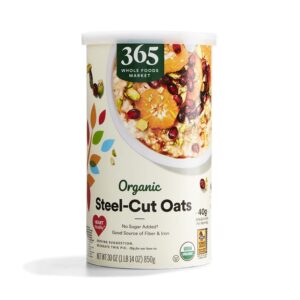
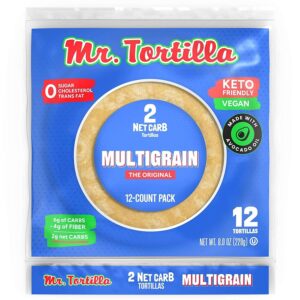
List of Useful products:
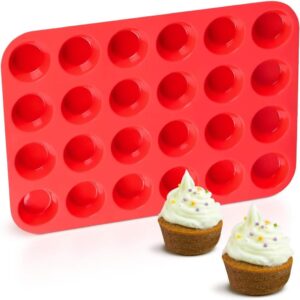

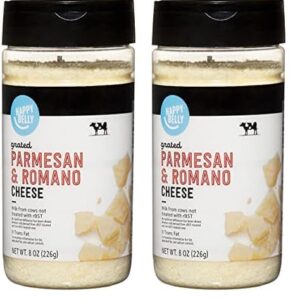
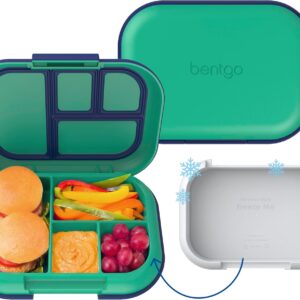

Ceaselessly Requested Questions About Feeding Picky Toddlers
How prolonged should I let my toddler go along with out consuming within the occasion that they refuse meals?
Toddlers can safely skip specific particular person meals with out damage. Their our our bodies regulate hunger and fullness efficiently when allowed. If a toddler refuses a meal, calmly eradicating the meals and prepared until the next scheduled consuming time teaches them to take heed to their physique’s alerts. Offering choices or preparing completely completely different meals reinforces refusal habits. Most toddlers is not going to let themselves go hungry for extended durations—if meal refusal continues for 24 hours or further, or if the child seems lethargic or unwell, consulting a pediatrician is appropriate.
Must I present completely completely different meals if my toddler refuses what’s served?
Fast-order cooking normally worsens picky consuming by educating toddlers that refusal ends in hottest choices. The less complicated technique entails along with a minimal of 1 accepted meals with each meal, even when it’s merely bread or fruit, whereas offering new or less-preferred objects alongside it. This ensures toddlers have one factor to eat whereas being uncovered to completely different meals with out pressure. They choose whether or not or not and the way in which quite a bit to eat from what’s accessible, nevertheless specific meals aren’t prepared upon refusal.
Is it common for my toddler to eat successfully some days and barely one thing completely different days?
Toddler appetites fluctuate dramatically based totally on progress patterns, train ranges, tiredness, and developmental phases. Some days they seem ravenous whereas others they resolve at meals all day. Having a look at consumption over a variety of days or each week provides greater analysis than specializing specifically particular person days. If whole progress stays on monitor and vitality ranges seem relevant, variable every single day consumption is completely common and by no means relating to.
Can dietary nutritional vitamins compensate for poor consuming?
Multivitamins can help fill dietary gaps nevertheless mustn’t substitute efforts to find out healthful consuming patterns. Dietary nutritional vitamins lack the fiber, protein, and useful compounds current in whole meals. They perform insurance coverage protection in the direction of deficiencies barely than important vitamin sources. Discussing supplementation with pediatricians ensures relevant choices—some toddlers revenue from vitamin D, iron, or omega-3 dietary dietary supplements based totally on dietary limitations, whereas others meet needs by way of meals alone.
What variety of cases should I present a rejected meals sooner than giving up?
Evaluation suggests 10 to fifteen exposures is also compulsory sooner than acceptance occurs, though some children need 20 or further. The key’s offering with out pressure or commentary. Merely along with the meals on the plate alongside accepted objects provides publicity. If a toddler rejects broccoli 30 cases, they may accept it on the thirty first attempt—or not. Each finish result’s applicable. The aim is publicity and various, not pressured consumption.
Must I cowl greens in meals or be reliable about substances?
Every approaches have benefit and could be utilized collectively. Hiding greens in smoothies, sauces, and baked objects ensures vitamin whereas decreasing mealtime stress. Concurrently persevering with to produce seen greens provides publicity and various for acceptance. Being normally reliable about substances—”this sauce has tomatoes and carrots”—builds perception whereas not requiring detailed descriptions which will set off preemptive rejection. Stability between stealth vitamin and clear publicity works greater than each extreme alone.
My toddler solely wants milk—should I limit it?
Excessive milk consumption—higher than 16 to 24 ounces every single day—can suppress urge for meals for secure meals and end in iron deficiency since milk wouldn’t comprise iron. Limiting milk to mealtimes and offering water between meals encourages fuller urge for meals at consuming cases. If a toddler fills up on milk all by the day, they naturally resist meals. Structural modifications to when milk is obtainable usually improves meals consumption with out requiring pressured limitations.
Is it okay to let my toddler eat the an identical meals repeatedly?
Meals jags—consuming the an identical meals repeatedly—are widespread toddler phases that normally resolve independently. As long as the repeated meals provides inexpensive vitamin, allowing this half whereas persevering with to produce completely different selections alongside it balances acceptance with publicity. If a toddler wants peanut butter sandwiches for every meal for two weeks, serving them alongside completely completely different fruits, greens, and proteins provides choice even when the sandwich stays fastened.
Transferring Forward with Confidence and Endurance
Feeding picky toddlers requires endurance, creativity, persistence, and actual trying expectations. The journey entails ups and downs, victories and setbacks, and durations of progress adopted by seeming regression. Understanding that this represents common developmental territory barely than parenting failure reframes the experience from irritating to manageable.
The strategies outlined—from creative meal reveals to hidden vegetable preparations, from relevant portion expectations to modeling healthful behaviors—current a whole toolkit for navigating these tough years. Not every technique works for every child, and what succeeds one week may fail the next. Flexibility and willingness to aim a variety of strategies with out judgment creates the adaptive parenting picky eaters require.
Don’t forget that the aim is just not creating adventurous eaters immediately nevertheless barely fostering constructive relationships with meals that assist lifelong effectively being. Toddlers who actually really feel pressure and stress spherical consuming usually develop further entrenched pickiness or disordered consuming patterns later. Those who experience mealtimes as good, low-pressure options for family connection naturally develop extra wholesome attitudes in the direction of meals and vitamin.
Most picky toddlers outgrow extreme selectivity as they mature, notably when feeding is handled with endurance barely than pressure. The five-year-old who eats numerous diets was usually the two-year-old who survived completely on cheese and crackers. Perception the tactic, preserve consistency with boundaries and expectations, search expert help when genuinely warranted, and acknowledge that providing repeated publicity to nutritious meals in constructive environments constitutes worthwhile feeding irrespective of quick acceptance.
The bodily and emotional vitality required to feed picky toddlers is substantial and typically underestimated. Acknowledging this downside validates the very precise struggles households face. In search of assist from companions, relations, pediatricians, or feeding specialists when overwhelmed demonstrates vitality barely than weak spot. No caregiver should navigate these waters alone, and utilizing accessible belongings creates greater outcomes for every toddlers and the adults caring for them.
Lastly, worthwhile feeding combines dietary information with developmental understanding, smart strategies with emotional intelligence, and persistence with endurance. The meal ideas, presentation methods, and evidence-based approaches talked about current concrete starting elements for transformation of mealtimes from battles into options. Each small step in the direction of expanded meals acceptance, each peaceful meal even when little is consumed, and each prevented vitality wrestle represents vital progress on the journey in the direction of elevating healthful, assured eaters.

Add Comment