

The months following childbirth symbolize in all probability probably the most bodily demanding intervals in a woman’s life. Previous the exhaustion of sleepless nights and the emotional adjustment to motherhood, the physique undertakes the distinctive work of producing milk—a course of that requires substantial dietary property. Many new mothers uncover themselves caught between conflicting suggestion: eat additional to help milk manufacturing, however indirectly lose the toddler weight shortly. This pressure creates confusion at a time when readability about weight-reduction plan points most.
Breastfeeding mothers need roughly 450 to 500 additional power daily compared with their pre-pregnancy consumption, in accordance with steering from the Academy of Nutrition and Dietetics. However prime quality points extra of quantity. The postpartum diet for breastfeeding mothers provides a novel various to establish consuming patterns that help every restoration from being pregnant and the requires of lactation, whereas moreover setting up sustainable habits for long-term effectively being.
Read about: Emotional Changes After Childbirth and What New Mothers Can Expect
Understanding the Dietary Requires of Lactation
The human physique produces a median of 25 to 35 ounces of breast milk daily by way of the primary six months postpartum. This natural course of attracts carefully on maternal nutrient retailers, considerably calcium, iron, zinc, and quite a few B dietary nutritional vitamins. Evaluation revealed by the National Institutes of Health demonstrates that inadequate maternal weight-reduction plan can deplete these reserves, doubtlessly affecting bone density, vitality ranges, and immune carry out.
Reverse to well-liked notion, breast milk composition stays remarkably regular even when maternal meals plan varies. The physique prioritizes toddler weight-reduction plan by pulling from maternal retailers when dietary consumption falls temporary. Nonetheless, positive nutritional vitamins—considerably vitamin D, omega-3 fatty acids, and iodine—rely additional immediately on current dietary consumption. Due to this whereas milk manufacturing itself infrequently suffers from poor maternal meals plan, the mother’s private effectively being positively can.
The metabolic modifications all through lactation lengthen previous straightforward calorie burning. Prolactin and oxytocin, the hormones answerable for milk manufacturing and launch, have an effect on urge for meals regulation, fat storage patterns, and even stress responses. These hormonal shifts partly make clear why some mothers experience intense hunger whereas others uncover their urge for meals suppressed by way of the early postpartum weeks.
Read about: Understanding the Silent Wrestle: Recognizing Postpartum Melancholy and Discovering the Correct Assist
Necessary Macronutrients for Milk Manufacturing and Restoration
Protein requirements enhance significantly all through breastfeeding, with ideas generally ranging from 65 to 75 grams daily—roughly 25 grams better than non-lactating ladies need. Protein helps tissue restore from childbirth, maintains muscle mass no matter sleep deprivation and decreased bodily train, and affords amino acids important for milk manufacturing. The Centers for Disease Control and Prevention emphasizes distributing protein all by way of the day comparatively than concentrating it in a single or two meals, which larger helps sustained vitality and milk present.
Prime quality protein sourcesare essential postpartum diet for breastfeeding mothers because they embrace lean poultry, fish, eggs, legumes, tofu, Greek yogurt, and cottage cheese. For mothers following plant-based diets, combining complementary proteins—equal to rice with beans or hummus with total grain bread—ensures ample amino acid profiles. The digestibility of protein moreover points; many postpartum ladies experience digestive sensitivity, making well-cooked legumes and tender meats preferable to tougher cuts or raw preparations.
In postpartum diet for breastfeeding mothers carbohydrates fuel the intensive vitality requires of lactation and postpartum restoration. Sophisticated carbohydrates from total grains, starchy greens, and fruits current sustained vitality launch, stabilizing blood sugar ranges which will in some other case swing wildly with irregular consuming schedules. The dramatic fatigue many new mothers experience often stems partly from inadequate carbohydrate consumption, as a result of the physique struggles to handle glucose ranges whereas producing milk and acting on restricted sleep.
Healthful fats deserve specific consideration in postpartum weight-reduction plan. Omega-3 fatty acids, notably DHA (docosahexaenoic acid), help toddler thoughts enchancment and appear immediately in breast milk at concentrations reflecting maternal consumption. Fatty fish like salmon, sardines, and mackerel current superb sources, though mothers ought to watch FDA guidelines limiting consumption to 2 to three servings weekly to stay away from mercury publicity. For these avoiding fish, algae-based DHA dietary dietary supplements provide reliable alternate choices. Furthermore, monounsaturated fats from avocados, nuts, and olive oil help hormone manufacturing and enhance absorption of fat-soluble dietary nutritional vitamins.
Essential Micronutrients for postpartum diet for breastfeeding mothers
Iron deficiency impacts roughly one in 5 postpartum ladies, manifesting as profound fatigue, downside concentrating, and weakened immune carry out—indicators merely mistaken for normal postpartum exhaustion. Blood loss all through provide depletes iron retailers significantly, whereas the elevated blood amount required for milk manufacturing maintains extreme iron requires. Purple meat, poultry, fish, fortified cereals, spinach, and lentils current dietary iron, though absorption varies considerably between heme iron (from animal sources) and non-heme iron (from plant sources).
Pairing iron-rich meals with vitamin C sources—citrus fruits, tomatoes, bell peppers—enhances absorption, whereas calcium dietary dietary supplements and tea consumed with meals can inhibit it. Some practitioners advocate persevering with prenatal dietary nutritional vitamins all by way of the breastfeeding interval notably to handle iron retailers, though this alternative must be made individually based totally on blood work and dietary patterns.
Calcium requirements keep elevated all through lactation at 1,000 milligrams daily, reverse to the misperception that they decrease after being pregnant ends. The physique will extract calcium from maternal bones to handle breast milk concentrations if dietary consumption proves insufficient. Dairy merchandise current extraordinarily bioavailable calcium, nonetheless leafy greens, fortified plant milks, tofu processed with calcium sulfate, and canned fish with bones provide alternate choices for these with dairy sensitivities or dietary preferences.
Vitamin D deficiency runs rampant amongst postpartum ladies, considerably these with restricted photo voltaic publicity, darker pores and pores and skin tones, or residing in northern latitudes. Since breast milk contains minimal vitamin D irrespective of maternal standing, the American Academy of Pediatrics recommends vitamin D supplementation for breastfed infants. Nonetheless, maternal supplementation benefits the mother’s private bone effectively being, immune carry out, and mood regulation. Most practitioners counsel 1,000 to 2,000 IU daily, though bigger doses may be important counting on baseline ranges determined by blood testing.
Choline emerges as an often-overlooked nutrient important for postpartum thoughts effectively being and toddler enchancment. Needs enhance all through lactation to 550 milligrams daily, however most women eat far a lot much less. Eggs current the richest provide, with one huge egg containing about 147 milligrams. Completely different sources embrace beef liver, hen, fish, broccoli, and Brussels sprouts. Ample choline consumption helps maternal cognitive carry out—considerably invaluable given the precise phenomenon of “mom thoughts”—whereas moreover promoting toddler thoughts and nervous system enchancment.
Hydration Strategies for Optimum Milk Manufacturing
Dehydration represents in all probability probably the most frequent however merely remedied obstacles to cozy breastfeeding. Producing milk requires substantial fluid consumption, with most lactation consultants recommending roughly 13 cups (104 ounces) of full fluids daily—roughly three to 4 cups better than regular ideas for women. The sensation of thirst generally intensifies all through letdown, the physique’s signal that fluid reserves are being drawn upon.
Water in postpartum diet for breastfeeding mothers must comprise the overwhelming majority of fluid consumption, though pure teas, milk, and diluted fruit juices contribute as correctly. Many mothers uncover conserving a water bottle inside attain wherever they often nurse helps preserve fixed hydration with out requiring acutely conscious effort. The color of urine affords a smart hydration indicator: pale yellow suggests ample hydration, whereas darkish yellow or amber signifies insufficient fluid consumption.
Caffeine consumption warrants moderation comparatively than elimination. Whereas small portions swap into breast milk, most infants tolerate maternal caffeine consumption of 200 to 300 milligrams daily—roughly two to three cups of espresso—with out downside. Nonetheless, newborns metabolize caffeine slowly, and some infants present considerably delicate, turning into fussy or having downside sleeping when mothers eat caffeine. Timing caffeine consumption immediately after nursing, comparatively than sooner than, minimizes toddler publicity by way of the following feeding.
Meals to Emphasize for Enhanced Lactation
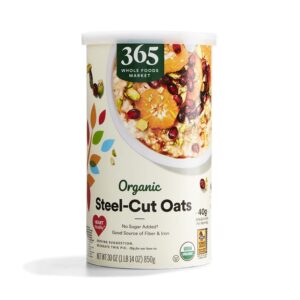
Certain meals have earned reputations as galactagogues—substances that promote milk manufacturing—though scientific proof supporting many typical ideas stays restricted. Oats appear persistently in lactation help ideas, partly as a consequence of their beta-glucan content material materials, which may stimulate prolactin manufacturing. Previous potential lactation benefits, oats current sustained vitality by difficult carbohydrates, B dietary nutritional vitamins, and iron, making them invaluable irrespective of their impression on milk present.
Leafy inexperienced greens—spinach, kale, Swiss chard—ship concentrated weight-reduction plan along with folate, calcium, and iron. These nutritional vitamins help every milk manufacturing and maternal restoration. The bitter compounds in leafy greens would possibly initially swap to breast milk, generally affecting toddler acceptance, though most infants adapt shortly. Cooking greens comparatively than consuming them raw often reduces any digestive discomfort some mothers experience postpartum.
Nuts and seeds current useful, nutrient-dense decisions for mothers managing restricted meal preparation time. Almonds provide calcium, protein, and healthful fats, whereas flaxseeds and chia seeds contribute omega-3 fatty acids and fiber. Pumpkin seeds present zinc, which helps immune carry out and wound therapeutic—considerably associated for mothers recovering from cesarean sections or perineal tears. A handful of blended nuts and seeds affords a balanced snack requiring no refrigeration and minimal cleanup.
Salmon and completely different fatty fish ship high-quality protein, omega-3 fatty acids, and vitamin D in a single meals provide. The Mayo Clinic notes that omega-3 consumption all through lactation correlates with improved toddler cognitive enchancment and decreased hazard of postpartum mood points in mothers. For these concerned about sustainability or mercury content material materials, wild-caught Alaskan salmon and smaller fish like sardines and anchovies provide superb alternate choices to greater species.
Read about: Postpartum Restoration Options for New Mothers: A Full Info to Therapeutic and Thriving After Starting
Full grains—quinoa, brown rice, barley, total wheat—current B dietary nutritional vitamins, considerably thiamin, riboflavin, and niacin, which help vitality metabolism. These nutritional vitamins present notably important for postpartum diet for breastfeeding mothers, as deficiencies can exacerbate exhaustion previous what sleep deprivation alone causes. The fiber content material materials in total grains moreover addresses constipation, a typical postpartum grievance related to hormonal modifications, decreased train, and usually iron supplementation.
Navigating Meals That May Set off Toddler Sensitivity
The question of whether or not or not maternal meals plan impacts toddler fussiness by breast milk generates considerable anxiousness amongst new mothers. True meals allergy signs affecting breastfed infants keep comparatively unusual, affecting roughly 2 to a few p.c of infants, with cow’s milk protein representing the most typical offender. Nonetheless, distinguishing between common toddler fussiness, colic, and actual meals sensitivity requires cautious assertion comparatively than preemptive dietary restrictions.
Cow’s milk and dairy merchandise generally set off points for breastfed infants, manifesting as excessive crying, eczema, blood in stool, or respiratory indicators. When true cow’s milk protein allergy exists, full elimination of all dairy merchandise—along with hidden sources in processed meals—for two to three weeks generally resolves indicators. Reintroduction then confirms the connection. Arbitrary dairy elimination with out clear indicators would possibly unnecessarily restrict maternal meals plan and doubtlessly compromise calcium consumption.
Cruciferous greens—broccoli, cauliflower, cabbage—carry reputations for inflicting toddler gasoline, though proof supporting this stays largely anecdotal. These greens current invaluable nutritional vitamins along with folate, vitamin C, and fiber. Reasonably than preemptively avoiding them, most lactation consultants counsel introducing doubtlessly problematic meals one after the other whereas observing toddler reactions. True sensitivities generally manifest inside 4 to 24 hours after maternal consumption.
Spicy meals infrequently set off points for breastfed infants, no matter frequent points. Many cultures with traditionally spicy cuisines nurse with out downside, suggesting toddler tolerance usually exceeds parental expectations. Nonetheless, specific individual sensitivity varies, and some infants do react to positive sturdy flavors or compounds. Gradual introduction and assertion current larger steering than blanket restrictions based totally on fear comparatively than experience.
Meal Timing and Consuming Patterns for Busy Mothers
The irregular schedule imposed by toddler feeding requires makes typical three-meal-per-day patterns impractical for lots of postpartum mothers. Grazing on smaller, frequent meals all by way of the day often larger matches the realities of latest little one care, maintains regular blood sugar ranges, and prevents the ravenous hunger which will lead to poor meals selections. Preparing a variety of small, nutrient-dense snacks at first of every single day ensures decisions keep on the market even all through demanding intervals.
Batch cooking and meal preparation turn into invaluable strategies by way of the postpartum interval. Preparing huge parts of soups, stews, casseroles, and grain dishes all through moments of vitality—or larger however, sooner than provide—creates out there meals requiring minimal effort. These prepared meals could also be portioned and frozen, providing nutritious decisions when exhaustion or toddler requires preclude cooking. Accepting meal help from household and associates, a apply normalized in a number of cultures, provides smart assist whereas acknowledging the true challenges of the postpartum interval.
One-handed consuming deserves smart consideration. Many feedings occur with one arm occupied by a nursing toddler, necessitating meals manageable with a single hand. Full fruit, cheese sticks, hard-boiled eggs, vitality balls comprised of dates and nuts, total grain toast with nut butter, and simple sandwiches all accommodate this actuality. Planning for one-handed consumption prevents mothers from merely skipping meals all through extended nursing courses.
Specific Dietary Points and Restrictions
Vegetarian and vegan mothers effectively breastfeed whereas sustaining plant-based diets, though a variety of nutritional vitamins require specific consideration. Vitamin B12 exists just about solely in animal merchandise, making supplementation vital for vegans and advisable for vegetarians who eat restricted dairy and eggs. The World Health Organization confirms that maternal B12 deficiency may end up in extreme developmental points in breastfed infants, along with neurological hurt, making ample consumption important comparatively than non-obligatory.
Iron and zinc bioavailability from plant sources stays lower than from animal merchandise, doubtlessly necessitating bigger consumption ranges to fulfill requirements. Combining plant-based iron sources with vitamin C-rich meals enhances absorption, whereas soaking and sprouting legumes and grains reduces phytates that inhibit mineral absorption. Many plant-based mothers revenue from widespread blood work monitoring iron retailers all by way of the breastfeeding interval.
Calcium, generally obtained from dairy in omnivorous diets, requires consideration in plant-based consuming patterns. Fortified plant milks, tofu prepared with calcium sulfate, tahini, almonds, and leafy greens current calcium, though parts and bioavailability fluctuate. Meeting the 1,000-milligram daily suggestion often requires acutely conscious planning comparatively than occurring naturally by typical consuming patterns.
For mothers with recognized celiac sickness or non-celiac gluten sensitivity, sustaining a strict gluten-free meals plan stays vital all through breastfeeding. Gluten proteins swap into breast milk, though they infrequently impact infants till the toddler has celiac sickness. Nonetheless, maternal effectively being relies upon upon continued gluten avoidance, and the stress of managing an toddler should not turn into an excuse for dietary lapses that compromise maternal wellbeing. Fortuitously, naturally gluten-free total meals—rice, quinoa, potatoes, corn, all vegatables and fruits, unprocessed meats and fish—current plentiful decisions with out relying on specialty merchandise.
Supporting Milk Present By the use of Strategic Consuming
Whereas true insufficient milk present impacts solely about 5 p.c of breastfeeding mothers, points about manufacturing rank among the many many commonest causes for premature weaning. Understanding that milk manufacturing operates completely on present and demand—frequent, environment friendly milk eradicating indicators the physique to produce additional milk—helps mothers focus efforts appropriately. Nonetheless, ample weight-reduction plan helps the physique’s functionality to reply this demand.
Sudden calorie restriction or extreme weight-reduction plan can compromise milk present, considerably when consumption drops beneath 1,500 to 1,800 power daily. The postpartum interval should not be the time for aggressive weight discount efforts. Gradual weight low cost of about one pound per week generally occurs naturally by the caloric requires of lactation combined with low cost consideration to weight-reduction plan prime quality, with out requiring restrictive weight-reduction plan which will impact milk manufacturing or maternal vitality.
Timing meals and snacks spherical nursing courses helps some mothers preserve vitality and doubtlessly helps milk present. Consuming a small, balanced snack sooner than or all through nursing courses ensures the physique has out there nutritional vitamins and vitality for milk manufacturing. This apply moreover addresses the elevated hunger many mothers experience all through letdown and nursing.
Ample protein and healthful fat consumption appear considerably important for sustaining milk present. Protein affords amino acids important for milk protein synthesis, whereas dietary fats have an effect on milk fat content material materials. Very low-fat diets would possibly compromise every the quantity and prime quality of breast milk, though excessive fat consumption previous desires provides no additional revenue. Steadiness, comparatively than extremes, characterizes optimum weight-reduction plan for lactation.
Managing Widespread Postpartum Dietary Challenges
Postpartum constipation impacts the overwhelming majority of latest mothers, stemming from hormonal modifications, decreased bodily train, iron supplementation, and usually fear of ache from perineal tears or hemorrhoids. Fiber from fruits, greens, total grains, and legumes helps preserve regularity, though rising fiber requires corresponding will improve in fluid consumption to be environment friendly. Prunes and prune juice current every fiber and pure laxative compounds that flippantly encourage bowel actions.
Many mothers experience pronounced sugar cravings by way of the postpartum interval, seemingly related to sleep deprivation, stress, and the speedy blood sugar fluctuations that consequence from irregular consuming. Whereas totally eliminating sweets proves unrealistic and unnecessarily restrictive, balancing treats with protein and healthful fats moderates blood sugar affect. A little bit of darkish chocolate with a handful of nuts, Greek yogurt with berries and honey, or dates stuffed with almond butter satisfies sweet cravings whereas providing dietary price.
The phenomenon of “touched out”—feeling overwhelmed by mounted bodily contact with a nursing toddler—can lengthen to meals preparation, making the thought of coping with meals unappealing. This downside impacts some mothers better than others nonetheless deserves acknowledgment comparatively than dismissal. Straightforward choices embrace meal provide firms, prepared meals from grocery retailers, or accepting help from companions and help people to take care of meal preparation. Weight-reduction plan points an extreme quantity of to forgo completely, making workarounds preferable to simply skipping meals.
Dietary dietary supplements: What’s Compulsory and What’s Non-compulsory
Persevering with prenatal dietary nutritional vitamins all by way of breastfeeding affords dietary insurance coverage protection, considerably by way of the chaotic early months when dietary choice would possibly endure. These multivitamins generally comprise relevant ranges of most nutritional vitamins needed all through lactation, though some components would possibly require additional supplementation. Nonetheless, dietary dietary supplements complement comparatively than substitute total meals weight-reduction plan, which affords fiber, phytonutrients, and the difficult interplay of compounds that isolated nutritional vitamins cannot replicate.
Omega-3 supplementation, considerably DHA, benefits every maternal and toddler effectively being when dietary fish consumption falls wanting ideas. Prime quality points significantly with fish oil dietary dietary supplements, as processing methods impact oxidation and purity. Algae-based DHA dietary dietary supplements provide vegetarian alternate choices with out the sustainability points or potential contaminants associated to fish-derived merchandise. The National Institutes of Health suggests 200 to 300 milligrams of DHA daily all through lactation.
Vitamin D supplementation generally requires doses bigger than these current in regular multivitamins. Whereas 400 IU appears in a number of prenatal formulation, reaching optimum vitamin D standing typically requires 1,000 to 2,000 IU daily, usually additional. Blood testing can determine specific individual desires additional precisely than generalized ideas, considerably for women with hazard components for deficiency. Vitamin D3 (cholecalciferol) proves less complicated than D2 (ergocalciferol) at elevating and sustaining blood ranges.
Probiotic dietary dietary supplements generate curiosity for his or her potential to help maternal digestive effectively being, immune carry out, and presumably in the reduction of toddler colic and eczema hazard. Whereas proof stays evolving, probiotics usually pose minimal hazard and can provide benefits. Consuming fermented meals—yogurt, kefir, sauerkraut, kimchi—affords probiotics naturally along with completely different useful compounds. For mothers taking antibiotics, whether or not or not for mastitis or completely different infections, probiotics help preserve gut flora steadiness disrupted by antibiotic treatment.
Sample Meal Plans for Completely completely different Dietary Preferences
Creating sample daily menus illustrates how theoretical dietary ideas translate into smart consuming patterns. These examples accommodate numerous dietary preferences whereas meeting lactation weight-reduction plan desires.
Omnivorous Pattern: Breakfast might embrace scrambled eggs with spinach and whole grain toast topped with avocado, accompanied by a glass of fortified orange juice and a cup of espresso with milk. Mid-morning snack could operate Greek yogurt blended with berries and a handful of almonds. Lunch might encompass an enormous salad with grilled hen, blended greens, chickpeas, cherry tomatoes, shredded carrots, and olive oil-based dressing, served with total grain crackers. Afternoon snack decisions embrace hummus with vegetable sticks and whole grain pita. Dinner may provide baked salmon with roasted sweet potatoes and steamed broccoli, adopted by an evening snack of cheese with apple slices.
Vegetarian Pattern: Morning meal could embrace oatmeal prepared with milk (dairy or fortified plant-based), topped with banana slices, ground flaxseed, and walnuts, with a facet of vitamin C-rich strawberries to spice up iron absorption from the oats. Mid-morning snack might operate a hard-boiled egg and a pear. Lunch could embrace a hearty lentil soup served with total grain bread and a facet salad, plus a glass of fortified plant milk. Afternoon snack decisions embrace path mix made with dried fruit, nuts, and darkish chocolate chips. Dinner might provide a tofu stir-fry with blended greens and brown rice, with an evening snack of cottage cheese with peaches.
Vegan Pattern: Breakfast could embrace a smoothie made with fortified plant milk, banana, spinach, ground flaxseed, nut butter, and protein powder, accompanied by total grain toast with tahini. Mid-morning snack might operate vitality balls comprised of dates, oats, and almond butter. Lunch could embrace a Buddha bowl with quinoa, roasted chickpeas, sweet potato, kale, avocado, and tahini dressing. Afternoon snack decisions embrace fortified plant yogurt with granola. Dinner might provide black bean and vegetable chili with cornbread, adopted by an evening snack of darkish chocolate and cashews. This pattern would require B12 supplementation and cautious consideration to iron, zinc, and calcium sources.
The Connection Between Weight-reduction plan and Postpartum Mood
The connection between meals plan and psychological effectively being optimistic points rising recognition, with evaluation suggesting that dietary components have an effect on postpartum mood points. Whereas weight-reduction plan alone cannot forestall or take care of extreme conditions like postpartum melancholy or anxiousness—which require expert intervention—it represents one modifiable concern supporting complete psychological effectively being all through a weak interval.
Omega-3 fatty acids, considerably EPA (eicosapentaenoic acid), current promise in supporting mood regulation. Some analysis counsel that populations consuming bigger portions of fatty fish experience lower expenses of postpartum melancholy, though establishing causation comparatively than correlation stays troublesome. Nonetheless, guaranteeing ample omega-3 consumption by fatty fish or dietary dietary supplements affords potential mood benefits with minimal draw again.
B dietary nutritional vitamins, notably folate and B12, participate in neurotransmitter synthesis and can have an effect on mood. Deficiencies in these dietary nutritional vitamins correlate with elevated melancholy hazard often populations, though specific evaluation on postpartum populations stays restricted. Consuming B vitamin-rich meals—leafy greens, legumes, total grains, eggs, and meat—or persevering with prenatal dietary nutritional vitamins ensures ample consumption of these nutritional vitamins.
Blood sugar stability impacts mood and vitality all by way of the day. The speedy fluctuations that consequence from skipping meals or relying on straightforward sugars can exacerbate anxiousness and irritability previous what hormonal modifications alone produce. Consuming balanced meals and snacks at widespread intervals—pairing carbohydrates with protein and healthful fats—maintains additional regular blood glucose and corresponding mood stability.
Cultural Points in Postpartum Weight-reduction plan
Typical postpartum dietary practices fluctuate dramatically all through cultures, however frequent themes emerge regarding the importance of nourishing new mothers. Many Asian cultures observe a “confinement interval” that features specific warming meals, bone broths, and avoidance of “cooling” meals believed to impair restoration and milk manufacturing. Latin American traditions embrace caldos (broths) and specific herbs thought to help lactation. Whereas Western medicine would possibly lack proof supporting some specific ideas, the underlying principle—that new mothers deserve specific dietary consideration and care—shows information value preserving.
Bone broths, featured prominently in a number of typical postpartum practices, current merely digestible protein, minerals, and gelatin which is able to help gut therapeutic and irritation low cost. Whether or not or not consumed for typical cultural causes or fashionable dietary ones, selfmade broths provide delicate weight-reduction plan all through a time when some mothers experience decreased urge for meals or digestive sensitivity. Together with greens will improve nutrient density, whereas the good and comfy, comforting nature of broth appeals to many new mothers irrespective of cultural background.
Ginger appears all through fairly a couple of cultural traditions as a postpartum meals, valued for its warming properties and digestive benefits. Modern evaluation confirms ginger’s anti-inflammatory properties and effectiveness in opposition to nausea. Whether or not or not consumed in tea, added to cooking, or included in typical preparations, ginger exemplifies how typical information often aligns with updated dietary understanding.
The social factors of typical postpartum feeding practices—family members preparing specific meals and guaranteeing the model new mother is well-fed—deal with the very precise downside that cooking turns into troublesome when caring for a brand new little one. Modern mothers with out typical family buildings shut by might replicate this help by meal trains, prepared meals firms, or batch cooking sooner than provide.
Weight Loss Points All through Breastfeeding
The pressure to “bounce once more” to pre-pregnancy weight shortly conflicts with the dietary desires of lactation and restoration. Whereas breastfeeding does burn roughly 500 power daily, specific individual weight discount patterns fluctuate extensively based totally on components along with being pregnant weight obtain, genetics, train stage, and sleep prime quality. Some mothers shed some kilos effortlessly whereas nursing, whereas others preserve bigger weights until weaning—every patterns fall inside common variation.
Proscribing caloric consumption beneath 1,500 to 1,800 power daily risks compromising milk present and maternal vitality. Gradual weight lack of one-half to 1 pound weekly occurs safely all through breastfeeding by consideration to meals prime quality and portion sizes comparatively than aggressive restriction. This tempo permits for sustained fat loss with out triggering the metabolic variations that make speedy weight discount troublesome to handle.
Practice helps weight administration and affords psychological effectively being benefits, though expectations ought to copy postpartum actuality. Strolling with the toddler, delicate postpartum yoga, and commonly rising train as therapeutic permits provides additional sustainable approaches than attempting to instantly resume pre-pregnancy train depth. Bodily train will improve caloric desires, requiring corresponding consideration to ample meals consumption comparatively than viewing practice primarily as a method to create caloric deficits.
Sensible expectations about postpartum weight discount in the reduction of pointless stress all through an already demanding interval. The physique retained some fat retailers all through being pregnant notably to help lactation—this represents natural design comparatively than failure. Many mothers uncover that weight commonly decreases all by way of the nursing relationship, with final return to baseline weight occurring after weaning. Prioritizing effectively being, vitality, and milk manufacturing over speedy weight discount serves every mother and little one larger than aggressive weight-reduction plan.
When to Search Expert Weight-reduction plan Assist
Certain situations warrant session with registered dietitians specializing in maternal weight-reduction plan. Mothers with recognized dietary deficiencies, restricted diets as a consequence of allergy signs or philosophical selections, being pregnant points which will impact dietary standing, or downside sustaining ample weight all through lactation revenue from individualized analysis and planning. Expert steering proves considerably invaluable for mothers managing conditions like diabetes, thyroid points, or completely different effectively being factors requiring specialised dietary approaches.
Persistent points about milk present, no matter ample nursing frequency and toddler feeding behaviors, usually stem from dietary inadequacies that expert analysis can set up and deal with. Whereas most perceived present factors actually replicate common toddler feeding patterns comparatively than true insufficiency, respectable present challenges generally relate to inadequate caloric consumption, excessive nutrient deficiencies, or medical conditions affecting lactation.
Indicators of dietary deficiency—persistent fatigue previous anticipated postpartum tiredness, brittle nails, hair loss exceeding common postpartum shedding, downside concentrating, mood disturbances, or frequent illness—deserve investigation. Blood work can set up specific deficiencies, allowing centered supplementation comparatively than guessing which nutritional vitamins could also be lacking. The overlap between deficiency indicators and common postpartum experiences makes expert evaluation invaluable for distinguishing between the two.
Weight-reduction plan Comparability: Key Meals for Breastfeeding Mothers
| Meals Class | Prime Sources | Key Nutritional vitamins Supplied | Serving Strategies |
|---|---|---|---|
| Protein-Rich Meals | Rooster, fish, eggs, Greek yogurt, lentils | Full amino acids, iron, B dietary nutritional vitamins | 2-3 palm-sized servings daily |
| Leafy Greens | Spinach, kale, collard greens | Folate, calcium, iron, vitamin C | 2-3 cups cooked daily |
| Full Grains | Oats, quinoa, brown rice, total wheat | B dietary nutritional vitamins, fiber, sustained vitality | 6-8 servings daily |
| Fatty Fish | Salmon, sardines, mackerel | Omega-3 DHA, vitamin D, protein | 2-3 servings weekly |
| Nuts and Seeds | Almonds, walnuts, flax, chia | Healthful fats, protein, minerals | 1-2 oz daily |
| Dairy or Fortified Alternate choices | Milk, yogurt, fortified plant milks | Calcium, vitamin D, protein | 3-4 servings daily |
| Vibrant Greens | Sweet potatoes, bell peppers, carrots | Vitamin A, vitamin C, fiber | 3-5 servings daily |
| Legumes | Chickpeas, black beans, lentils | Protein, iron, zinc, fiber | 1-2 servings daily |
Some Amazing Amazon Recommendations for New Moms





Steadily Requested Questions About Postpartum Diet for Breastfeeding Mothers
What variety of additional power do breastfeeding mothers actually need?
Most lactating mothers require an additional 450 to 500 power daily previous their pre-pregnancy consumption, though specific individual desires fluctuate based totally on milk manufacturing amount, train stage, and personal metabolism. Reasonably than counting power obsessively, listening to hunger cues and guaranteeing ample vitality all by way of the day affords smart steering. Weight patterns moreover provide ideas—common, gradual weight discount suggests relevant consumption, whereas speedy loss or persistent fatigue would possibly level out insufficient power.
Can meals plan really impact breast milk present?
Excessive caloric restriction or malnutrition can compromise milk present, though delicate dietary variations generally do not. Milk manufacturing operates primarily by present and demand—frequent, environment friendly eradicating indicators the physique to produce additional milk. Ample hydration, sufficient complete power, and balanced weight-reduction plan help the physique’s functionality to reply this demand. Nonetheless, immediately reducing consumption beneath 1,500 power daily or eliminating entire meals groups would possibly impact every present and maternal vitality.
Which meals must be totally prevented whereas breastfeeding?
Just a few meals require full avoidance all through breastfeeding. Extreme-mercury fish like shark, swordfish, king mackerel, and tilefish must be restricted or prevented as a consequence of neurotoxin points. Alcohol transfers into breast milk, though occasional common consumption timed appropriately relative to nursing poses minimal hazard. Most completely different meals could also be consumed in low cost portions till specific toddler sensitivity develops. The pointless elimination of nutritious meals like dairy, gluten, or greens would possibly compromise maternal weight-reduction plan with out revenue till actual toddler sensitivity exists.
How lots water must breastfeeding mothers drink daily?
Widespread ideas counsel roughly 13 cups (104 ounces) of full fluids daily, though specific individual desires fluctuate based totally on native climate, train stage, and personal components. Thirst affords reliable steering for a lot of mothers—conserving water readily accessible and ingesting to satisfaction generally ensures ample hydration. Urine shade serves as a smart indicator, with pale yellow suggesting relevant hydration. Whereas some sources advocate ingesting water every time the toddler nurses, this creates pointless tips comparatively than promoting intuitive consciousness of thirst.
Is it safe to meals plan or try to shed some kilos whereas breastfeeding?
Gradual, common weight lack of about one pound weekly usually occurs safely all through breastfeeding by consideration to meals prime quality and portion sizes. Nonetheless, aggressive calorie restriction, fad diets, or speedy weight discount makes an try can compromise milk present, maternal vitality, and nutrient consumption. The postpartum interval emphasizes restoration and nourishment comparatively than restriction. Many mothers uncover that weight commonly decreases all by way of the nursing relationship with out deliberate weight-reduction plan, as breastfeeding burns important power whereas supporting gradual return to pre-pregnancy metabolism.
Do positive meals enhance milk present?
Typical galactagogues like oats, fenugreek, and brewer’s yeast benefit from widespread reputation for enhancing milk present, though scientific proof supporting their effectiveness stays restricted. Oats current dietary benefits irrespective of lactation outcomes, making them worthwhile inclusions. Fenugreek impacts some mothers positively nonetheless might trigger digestive upset or maple syrup physique odor; its effectiveness varies individually. Ample complete weight-reduction plan, hydration, and frequent milk eradicating keep basically probably the most reliable approaches to sustaining present. If present points persist no matter these measures, session with a lactation expert can set up underlying factors.
Can consuming spicy meals upset the toddler?
Spicy meals infrequently set off points for breastfed infants, no matter frequent points. Many cultures with traditionally spicy cuisines nurse effectively with out dietary modifications. Nonetheless, specific individual infants fluctuate in sensitivity to flavors and compounds that swap by milk. Reasonably than preemptively avoiding spicy meals, most specialists counsel consuming them in typical portions whereas observing toddler reactions. Actual sensitivities generally manifest persistently, whereas occasional fussiness additional seemingly shows common toddler conduct unrelated to maternal meals plan.
Must vegetarian or vegan mothers complement in one other manner?
Plant-based mothers require specific consideration to vitamin B12, which exists just about solely in animal merchandise. Supplementation turns into vital for vegans and advisable for vegetarians with restricted animal product consumption. Iron and zinc bioavailability from plant sources stays lower than from meat, doubtlessly necessitating bigger consumption or supplementation. Omega-3 fatty acids from algae-based dietary dietary supplements current DHA with out fish consumption. Calcium requires acutely conscious planning by fortified meals and calcium-rich plant sources. Widespread blood work monitoring helps assure ample nutrient standing comparatively than guessing whether or not or not consumption meets desires.
How prolonged must I proceed taking prenatal dietary nutritional vitamins after giving starting?
Most healthcare suppliers advocate persevering with prenatal dietary nutritional vitamins all by way of the breastfeeding interval, as dietary desires all through lactation match or exceed being pregnant requirements for lots of nutritional vitamins. Prenatal formulation generally comprise relevant ranges of iron, folic acid, calcium, and completely different key nutritional vitamins supporting every milk manufacturing and maternal restoration. Some mothers swap to postnatal formulation notably designed for lactation, which may comprise adjusted ratios of positive nutritional vitamins. The selection relies upon upon specific individual dietary patterns, with mothers consuming assorted, nutrient-dense diets doubtlessly requiring a lot much less supplementation than these with additional restricted meals choice.
Can weight-reduction plan help forestall or deal with postpartum melancholy?
Whereas weight-reduction plan alone cannot forestall or take care of extreme mood points requiring expert intervention, dietary components have an effect on complete psychological effectively being by way of the postpartum interval. Omega-3 fatty acids, B dietary nutritional vitamins, vitamin D, and ample protein consumption help neurotransmitter manufacturing and thoughts carry out. Blood sugar stability by balanced meals impacts mood and vitality. Nonetheless, mothers experiencing persistent disappointment, anxiousness, intrusive concepts, or completely different relating to indicators ought to go looking expert psychological effectively being help comparatively than attempting to deal with extreme conditions by dietary modifications alone.

Add Comment