

Are you someone who walks through the hallway at 2 a.m. with your wide-awake toddler? If you are sleep deprived and question yourself, why won’t my toddler sleep? Then take a deep breath because you are not alone. Many parents face sleepless nights in these toddler years and some common sleep problems. It’s a challenging and exhausting period, but the first step to regain your peaceful bedtimes is to understand the why behind those sleepless nights.
This article will discuss the most common toddler sleep problems along with their solutions. These problems are common among toddlers and can be fixed gently and effectively. So, let’s find the reason behind your child’s sleeplessness together.
The Truth about Toddler Sleep Patterns
Kids are continuously growing, learning, and testing boundaries. This includes bedtime, too. It’s normal for children to do these things around 18 months to 3 years:
- Wake frequently during the night
- Resist sleep even when tired
- Experience separation anxiety
- Have nightmares or night terrors.
You can help your child with smoother transitions by creating bedtime routine charts, providing a soothing environment with nightlights and a white sound machine. Even if sleepless nights feel regressive, it’s still a part of development.
Also read about:Understanding Toddler Emotions: Why They Cry and How to Respond
Sleep Regression and What It Looks Like
Your toddler gets into a deep sleep, and then suddenly starts waking up every two hours. Sounds familiar?
This is what happens when your child is going through sleep regression. It often hits around 18 months and 2 years of age. It’s linked to language development, increased mobility, and emotional awareness. These milestones can be tough on sleep.
Don’t worry, you can manage your toddler’s common sleep problems by:
- Transitional sleepwear
- Comforting plushies
- Sticking to your routine
- Avoiding sudden changes
- Cozy bedtime books
- Offer extra comfort without creating a new long-term habits
When They Just Won’t Stay in Bed

When toddlers graduate from their cribs, it’s normal for them to sneak into your bed in the middle of the night. This is because they are curious to explore their freedom.
Some tips that can help:
- Walk them back calmly and consistently.
- Try big kid bedding and bed rails.
- Create a secure and cozy space that they want to stay in.
- Use essential oils to calm their senses.
The Classic Bedtime Resistance
Toddlers are experts at delaying their bedtime by asking for water, a different story, a change of pillow, and further. Because of this, parents often complain that my child just doesn’t go to sleep.
The reason behind this is the need for control. Let them feel a sense of authority but within firm boundaries. Ask them to choose between two choices (like bath or PJs first?). This will help them reduce power struggles. Toddlers’ sleep training clocks can prove essential too.
Night Wakings and How to Handle Them

Sometimes toddlers fall asleep easily, but they wake up crying multiple times during the night. A few common causes are hunger, overstimulation, uneasiness while sleeping, or simply a need for reassurance.
To ease night wakings:
- Avoid sugary food before bed and go for healthy bedtime snacks.
- Use dim and gentle nightlights.
Fears, Nightmares, and the Monster Under the Bed
Around the age of 2, imaginations and fears bloom side by side. Various fears, like fear of the dark, monsters, and being alone, can sabotage your toddler’s sleep.
Things that can help your child to sleep comfortably:
- Glow-in-the-dark wall decals.
- Offer a comfort stuffed toy that stays in bed.
- Night projectors.
- Create a monster-free bedtime ritual.
- Use soft lighting and calming scents.
Nutrition and Sleep Can Go Hand in Hand
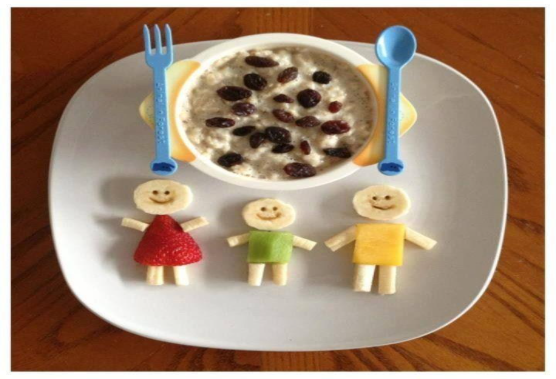
A toddler’s diet seriously affects their sleep. Foods high in dyes, sugar, caffeine-like ingredients, and even chocolate can keep them wired late into the night.
You can improve their sleep through diet in the following ways:
- Offer balanced meals during the day
- Give toddler-friendly protein snacks and vitamin gummies.
- Keep dinner light and serve it early.
- Consider nutritious bedtime snack packs.
Over-stimulation and Screentime Affects

Excess screen time, especially before bed, can diminish your child’s ability to fall and stay asleep. The blue light disrupts the production of melatonin, the hormone that signals the body and brain that it’s time for sleep, and is the major reason behind most of the common sleep problems.
Some tips are:
- Turn off the screens 1 hour before bedtime.
- Use blue light-blocking nightlights.
- Replace screentime with books, calm down activity kits, or puzzles.
- Dim the lighting and keep voices low after dinner.
The Importance of a Consistent Bedtime Routine
A messed-up bedtime routine will also mess up your toddler’s brain. So, it’s better to create a proper scheduled routine. A predictable bedtime routine signals the brain that it’s time to slow down and rest.
A typical toddler nighttime routine may include:
- Bath time
- Brushing teeth
- Reading a favorite story
- Saying goodnight to favorite stuffed animals
To make it fun, ask your toddler to tick the things they have done before going to bed. Visual bedtime charts are helpful for this purpose.
When to Seek Professional Help
If your toddler’s sleep problems are persistent and extreme, even after taking all the measures, maybe it’s time to consult your pediatrician. Anxiety, sleep apnea, or even allergies can cause sleeping problems that require more support and care.
You could also consider:
- Pediatric sleep consultants
- Behavioral sleep therapy
- Sleep studies (for breathing concerns)
While rare, it’s good to know help exists if basic changes don’t work.
Check out: Toddler Coughing at Night? How to Manage the Situation
Frequently Asked Questions
1. Is it okay to skip naps to make my toddler sleep better at night?
Skipping naps can have opposite effects. An overtired toddler may face extreme difficulty falling and staying asleep. Instead, it’s better to shorten the duration of daytime naps while keeping the bedtime consistent.
2. When should I move my toddlers from the crib to the bed?
Mostly, toddlers are ready for this change between 18 months and 3 years. If your child feels uncomfortable in the crib, climbs out of the crib, or if you are introducing a new sibling, then it’s high time for this transition. Keep it slow with familiar sleep and routine.
3. Do toddlers need a pillow or blanket?
Always follow safe sleep guidance. A pillow isn’t recommended till 18 months, even after that, they should be flat and firm. Introduce a light blanket when your child is interested.
4. How to deal with a toddler who wakes up early?
Early waking is common. Try adjusting bedtime, using blackout curtains, or introducing a toddler sleep clock that signals when it’s okay to get up.
5. Can teething affect sleep in toddlers?
Yes. Teething pain can cause your kid to wake up again and again at night. Teething-friendly sleep tools like chilled teething rings or gentle gum rubs before bed may help.
6. Is co-sleeping with a toddler a bad habit?
Co-sleeping is only problematic if it affects your routine and your toddler’s independence and psychology. Otherwise, it’s a completely personal choice. If you are planning for their separation, do it positively and gradually.
Whether your toddler resists bedtime, wakes often, or won’t stay in their room, every sleep issue has a solution — and many are simpler than you’d think. With the right habits, consistent routines, and a few helpful tools along the way, your family can rest more easily. Sleep may be elusive now, but it won’t last forever.











Add Comment