
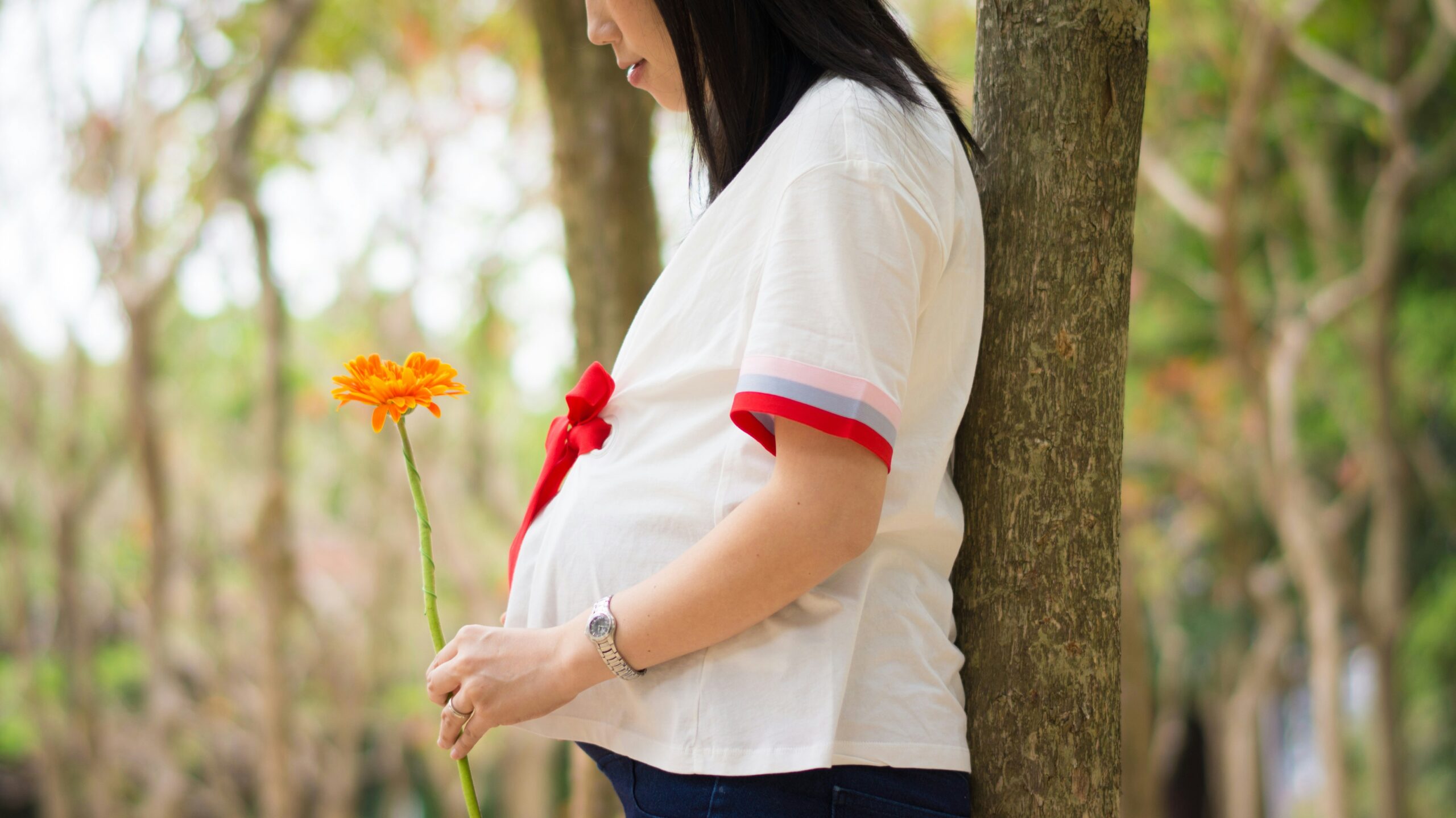
The birth of your baby is the start of a new and remarkable journey, but the events mothers face after delivery are often overlooked. The postpartum period can be as physically and emotionally intense as pregnancy itself. Especially for first-time mothers, this stage can be quite overwhelming, from hormonal changes to sleep deprivation that can cause some postpartum health issues. To heal and adjust to life with a newborn, it’s important to understand postpartum symptoms, recognize what’s normal, and know when to seek help.
Let’s explore the common postpartum health issues, how long the postpartum period lasts, what signs you shouldn’t ignore, and how to care for yourself during this phase.
What Is Postpartum?
The term postpartum generally refers to the period after childbirth. It usually consists of the first 6 weeks, but some symptoms and changes can extend for several months. This stage includes emotional adjustment to motherhood, physical recovery from childbirth, and the return of hormonal imbalance.
Keep in mind that every woman’s postpartum experience is unique. While some recover quickly, others may come across challenges that require support, time, and patience.
How Long Does Postpartum Last?

Medically, postpartum recovery is often described as the first 6-8 weeks after delivery. However, emotional and physical healing can last up to 6 months or a year and may be longer if the mother experiences complications like hormonal imbalances or postpartum depression.
The American College of Obstetricians and Gynecologists now recommends a continuous, individualized approach to postpartum care, rather than a single checkup at six weeks. Mental health support, regular follow-ups, and rest are essential during this stage.
Common Postpartum Health Issues and Symptoms
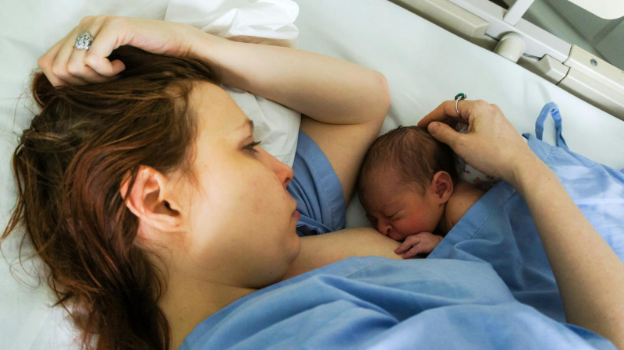
1. Perineal Pain and Discomfort
Pain in the incision site or perineum is common, regardless of whether you had a C-section or vaginal birth. Soreness, swelling, or minor tears can make the daily routine uncomfortable.
2. Postpartum Bleeding (Lochia)
After birth, it’s normal and healthy to experience vaginal discharge or bleeding called lochia. It typically changes from red to pink or white and lasts for 4 to 6 months. It’s important to consult a doctor if bleeding contains large clots or increases suddenly.
3. Urinary Incontinence
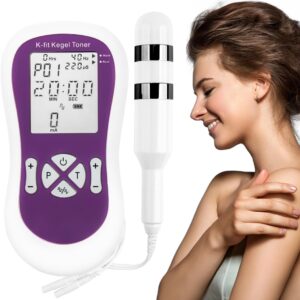
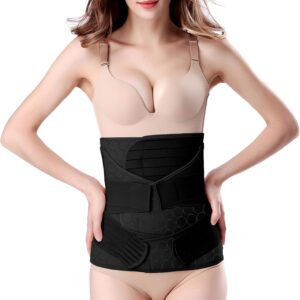
It’s not atypical for new moms to face urinary leakage while laughing or sneezing. Its major cause is weakened pelvic floor muscles. Pelvic floor exercises like Kegels can gradually help restore bladder control. You can also consider wearable pelvic floor trainers or postpartum belly wraps for speedy recovery.
4. Breast Engorgement or Mastitis
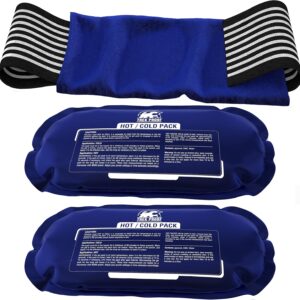
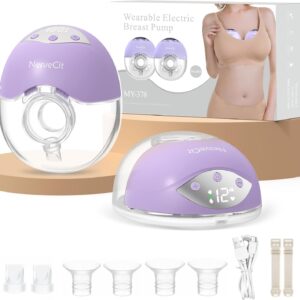
Breastfeeding mothers may experience engorgement, a condition where breasts become hard and painful due to excessive milk. In some cases, a duct gets blocked, leading to mastitis, an infection that causes swelling, fever, and redness. Manage these symptoms with helpful tools like hot/cold gel packs, breast pumps, and a supportive nursing bra.
5. Hair Loss and Skin Changes
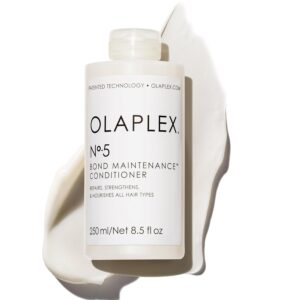
Some women notice postpartum hair loss, dry skin, or acne due to hormonal changes. Don’t worry, this is temporary and resolves within 6-12 months. Staying hydrated and using gentle hair products can help improve these symptoms.
6. Hormonal Imbalances
Hormones like progesterone and estrogen drop drastically after birth, leading to fatigue, emotional shifts, and night sweats. If symptoms feel unbearable or long-lasting, your doctor may evaluate thyroid dysfunction or other imbalances.
7. Constipation and Hemorrhoids
Various things, including iron supplements, the trauma of childbirth, and hormonal shifts, can lead to hemorrhoids or constipation. Incising fiber intake, drinking plenty of water, and using a stool softener (as advised by your doctor) are some of the effective ways to ease your pain. Consider adding laxative teas or cushions for postpartum relief to your routine.
8. Postpartum Depression and Anxiety
Postpartum depression is one of the most serious but under-discussed postpartum complications. While baby blues (mood swings, weepiness) are common and usually resolve within two weeks, postpartum depression and anxiety may need professional health care and last longer.
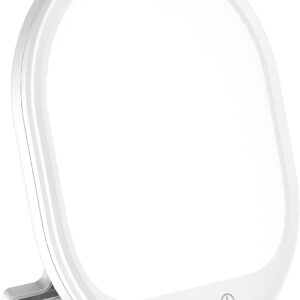
If you are experiencing persistent hopelessness, detachment, sadness, irritability, or trouble bonding with your baby, don’t hesitate to talk to a mental health provider. You can also explore tools like guided journals or light therapy lamps for emotional wellness.
Also check out: What Is Postpartum Depression?
Postpartum Care Tips for a Smoother Recovery
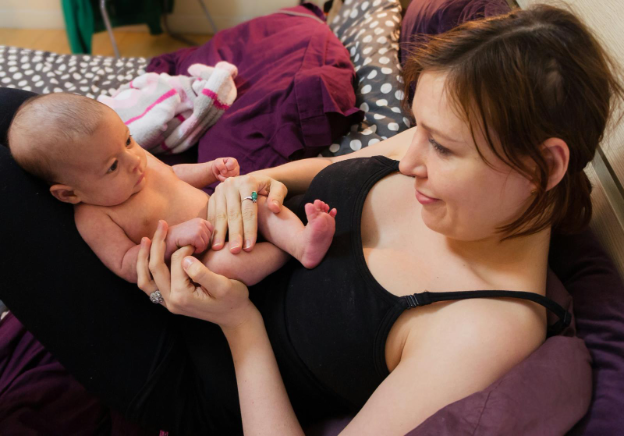
Nourish Your Body
Don’t forget that healing starts from within. Stay hydrated and nourished, especially if you are breastfeeding. Eating nutrient-dense foods rich in vitamins, healthy fats, iron, and protein is essential. Stocking up on lactation-friendly snacks or postpartum meal kits can make nutrition more manageable.
Don’t Skip Postpartum Appointments
Attending your care visits can catch many postpartum health issues early, whether it’s your mental health evaluation or a 6-week checkup. Keep a list of questions that arise in your head and track your symptoms to discuss with your provider.
Rest Is Not a Luxury—It’s Essential
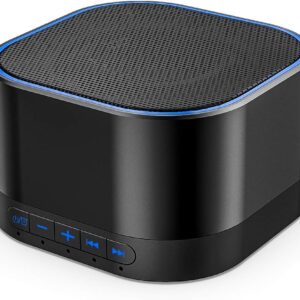
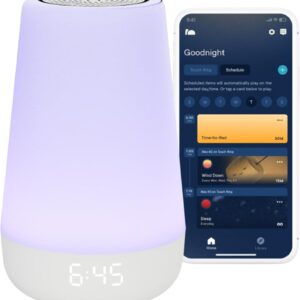
Sleep deprivation can worsen both emotional and physical health. Don’t hesitate to ask for help with your meals and chores, and try to relax whenever your baby sleeps. You can use white noise machines, blackout curtains, and sleepwear that supports nursing comfort to create a restful environment.
When to Call Your Doctor Immediately

Many of the above-mentioned complications are manageable; however, reach out to your doctor if any of these symptoms appear:
- Severe abdominal pain
- Fever over 100.4°F (38°C)
- Heavy bleeding that soaks a pad after an hour.
- Chest pain or shortness of breath.
- Foul-smelling vaginal discharge.
- Feelings of harming your baby or suicidal thoughts.
Also read about: What Are the Postpartum Nursing Diagnosis and Care Plan?
Frequently Asked Questions
1. How do I differentiate between normal postpartum fatigue and something serious?
Postpartum fatigue is expected, but if it persists despite rest, accompanied by mood changes, or affects your ability to care for your baby or yourself, it may signal postpartum depression or thyroid issues.
2. When should I worry about postpartum hair loss?
Hair loss often occurs due to hormonal shifts during postpartum and often lasts for 3-6 months. If hair loss is patchy, persists longer than expected, or is excessive, then consult a healthcare provider for possible deficiencies.
3. What food supports postpartum recovery?
Leafy green vegetables, protein, healthy fats, iron-rich foods, and hydrating fluids support healing. Nutrient-dense meals also help manage energy levels and hormone regulation.
4. Is it safe to take supplements while breastfeeding?
Some supplements like vitamins, omega-3, or iron are often recommended. Always consult your doctor before adding anything to your diet to ensure it’s safe for both you and your baby.
5. What are some lesser-known postpartum complications?
Postpartum anemia, gallbladder issues, thyroiditis, and joint pain are often overlooked but can deeply affect new mothers. If something feels off, don’t hesitate to check it.
The postpartum period is often filled with joy—but it can also bring unexpected challenges. The more informed and prepared you are, the better you can navigate these weeks with grace and confidence. Whether you’re healing physically, adjusting emotionally, or learning to care for your baby, postpartum care deserves as much attention as pregnancy.
By giving yourself time, practicing self-care, and staying connected with your support network, you can protect your well-being and enjoy this new chapter more
Here are some useful products:
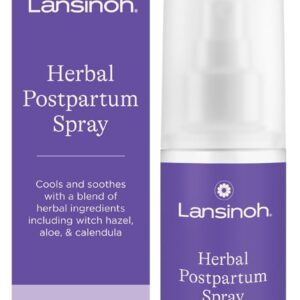
Cooling pads, perineal sprays, or donut cushions can offer great relief and comfort during postpartum period.

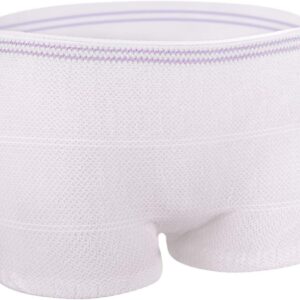
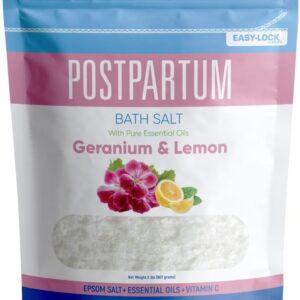
Products like mesh underwear, postpartum pads, and sitz bath soaps can help ease recovery from perennial bleeding and pain.

Wearable pelvic floor trainers or postpartum belly wraps.
Hot/cold gel packs, breast pumps, and a supportive nursing bra.

Gentle Hair products.
Laxative Tea

Guided journals or light therapy lamps for emotional wellness.
Postpartum meal kits
White noise machines, blackout curtains, and sleepwear that supports nursing comfort to create a restful environment.


Add Comment