
Toddlers grow fast—physically, mentally, and emotionally. Between their first steps, expanding vocabulary, and boundless curiosity, their bodies need consistent, high-quality nutrition to keep up. Healthy snacks for toddlers play a crucial role in meeting those needs. For toddlers, snacks are not “extras” or fillers; they are essential mini-meals that support growth, energy levels, and healthy eating habits.
Healthy snacks prepared at home offer something store-bought options often cannot: full control over ingredients, texture, freshness, and nutritional balance. They also help toddlers become familiar with natural flavors early on, shaping food preferences that can last a lifetime. According to guidance from organizations like the World Health Organization, the American Academy of Pediatrics, and the Centers for Disease Control and Prevention, balanced nutrition during early childhood supports brain development, immunity, and long-term metabolic health.
This guide explores healthy snack ideas for toddlers at home from every angle—nutrition science, safety, convenience, cultural flexibility, and real-life practicality. It explains what toddlers need, what to avoid, how to plan, and how to adapt snacks for different stages of development. The goal is simple: to help caregivers confidently offer snacks that are nourishing, enjoyable, and developmentally appropriate.
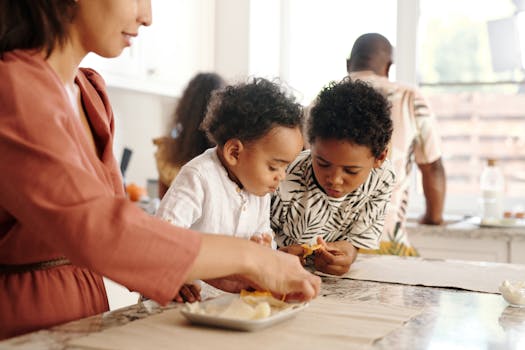
Why healthy snacks for toddlers Matter So Much in the Toddler Years
Toddlers typically eat three small meals and two to three snacks each day. Their stomachs are small, but their energy demands are high. Because of this, snacks help bridge nutritional gaps between meals and prevent extreme hunger that can lead to irritability or overeating later.
Health authorities such as the National Institutes of Health emphasize that toddlers require steady intake of key nutrients like iron, calcium, healthy fats, protein, and complex carbohydrates. Snacks are an ideal opportunity to deliver these nutrients in manageable portions.
Well-chosen snacks can help:
- Maintain stable blood sugar levels
- Support brain and bone development
- Improve concentration and mood
- Reduce dependence on sugary or ultra-processed foods
- Encourage acceptance of fruits, vegetables, and whole foods
When snacks are balanced and predictable, toddlers are more likely to eat regular meals and develop a positive relationship with food.
Understanding Toddler Nutrition Needs
Before choosing specific snacks, it helps to understand what toddlers need nutritionally. Between the ages of 1 and 3, children experience rapid growth, but at a slower pace than infancy. Their appetite may fluctuate daily, which is normal.
Key nutritional priorities for healthy snacks for toddlers include:
Complex Carbohydrates
Whole grains, fruits, and vegetables provide steady energy and fiber. Fiber supports digestion and helps prevent constipation, a common concern during toddlerhood. Resources from Harvard T.H. Chan School of Public Health highlight the importance of whole grains over refined carbohydrates for long-term health.
Protein
Protein supports muscle growth, tissue repair, and immune function. Toddlers need relatively small amounts spread throughout the day. Foods like lentils, yogurt, eggs, nut butters (thinly spread), and beans are excellent options supported by dietary guidelines from the Food and Agriculture Organization.
Healthy Fats
Fats are critical for brain development. Toddlers should not follow low-fat diets. Foods such as full-fat yogurt, avocado, seeds, and certain oils provide essential fatty acids, as explained by pediatric nutrition guidance from UNICEF.
Micronutrients
Iron, calcium, vitamin D, zinc, and vitamin A are especially important during early childhood. Iron-rich snacks help prevent anemia, while calcium and vitamin D support bone development. The Centers for Disease Control and Prevention provide detailed recommendations on these nutrients for young children.
What Makes a Snack “Healthy” for Toddlers?
A healthy toddler snack is not defined by perfection or complexity. It is defined by balance, safety, and suitability for a child’s developmental stage.
A nutritious snack usually includes:
- One source of complex carbohydrates (fruit, vegetable, whole grain)
- One source of protein or healthy fat
- Minimal added sugar and salt
- Soft or appropriately textured foods to reduce choking risk
For example, fruit alone is nutritious but pairing it with yogurt or nut butter adds protein and fat, making the snack more satisfying and nutritionally complete.
Pediatric feeding experts frequently stress that snacks should complement meals, not replace them. Snacks are most effective when offered at predictable times and served at a table, helping toddlers learn structure around eating.
Safety First: Texture, Size, and Choking Prevention
Food safety is just as important as nutrition. Toddlers are still learning how to chew and swallow effectively. According to guidance from the American Academy of Pediatrics, choking risk remains high until at least age four.
To reduce risk:
- Cook vegetables until soft
- Cut round foods (like grapes or cherry tomatoes) lengthwise
- Spread nut butters thinly on soft bread or fruit
- Avoid hard, sticky, or round foods such as whole nuts or popcorn
Snacks should always be eaten while seated and supervised. Safe preparation practices ensure that healthy snacks for toddlers remain both nourishing and secure.
Simple Homemade Snack Categories That Work Well
Fruit-Based Snacks
Fruits are rich in vitamins, fiber, and natural sweetness. When prepared properly, they are ideal toddler snacks. Soft slices of ripe banana, steamed apple cubes, mashed pear, or seasonal fruits cut into small pieces are widely recommended by nutrition experts.
Pairing fruit with protein or fat improves satiety. For example, apple slices with yogurt dip or banana with a thin spread of nut butter provide longer-lasting energy.
Vegetable-Based Snacks
Vegetables often require gentle preparation to be toddler-friendly. Steaming or roasting brings out natural sweetness and softens texture. Options like carrot sticks cooked until tender, mashed sweet potato, or zucchini rounds are supported by child nutrition research from the World Health Organization.
Offering vegetables consistently, even if acceptance is slow, helps toddlers become familiar with different tastes and textures over time.
Dairy and Dairy Alternatives
Full-fat yogurt, paneer, and cheese in small amounts provide calcium and protein. Unsweetened yogurt with mashed fruit is frequently recommended by pediatric dietitians as a balanced snack.
For families using dairy alternatives, fortified options with calcium and vitamin D are important, as highlighted in guidance from the National Health Service.
Protein-Rich Snacks
Protein snacks help toddlers stay full and support growth. Well-cooked lentils, mashed beans, soft scrambled eggs, or hummus spread thinly on soft bread are practical and nutritious choices.
Plant-based proteins are especially valuable for households seeking variety and affordability, as noted in nutrition research from the Academy of Nutrition and Dietetics.
Attractive Comparison: Homemade vs Store-Bought Toddler Snacks
Homemade Snacks vs Packaged Snacks: A Practical Comparison
| Feature | Homemade Toddler Snacks | Packaged Toddler Snacks |
|---|---|---|
| Ingredient Control | Full control over quality and freshness | Often contain added sugar, salt, or preservatives |
| Nutritional Density | Can be tailored to toddler’s needs | Varies widely by brand |
| Cost Over Time | Generally more affordable | Often more expensive per serving |
| Texture Customization | Easily adjusted for age and ability | Limited options |
| Exposure to Whole Foods | High | Often processed |
| Long-Term Habits | Encourages real-food familiarity | May increase preference for sweet or salty foods |
This comparison aligns with findings shared by public health organizations that encourage home-prepared foods during early childhood whenever possible.
Building a Balanced Snack Routine at Home
Consistency matters. Offering snacks at roughly the same times each day helps regulate appetite and supports better mealtime behavior. Pediatric feeding guidance from institutions like Stanford Children’s Health suggests spacing snacks at least 1.5 to 2 hours before meals.
A balanced snack routine includes:
- Predictable timing
- Calm eating environment
- Age-appropriate portions
- Water offered alongside snacks
Snacks are most effective when served intentionally rather than used as distractions or rewards. This approach supports healthy eating patterns and self-regulation.
Common Snack Pitfalls to Avoid
Some snacks choices may appear harmless but offer limited nutritional value or pose risks when consumed frequently.
Common issues include:
- Excessive fruit juice, which lacks fiber and can affect dental health
- Sugary baked goods marketed for toddlers
- Highly processed “snack foods” with refined flour
- Grazing throughout the day instead of scheduled snacks
Dental health organizations such as the American Dental Association caution that frequent exposure to sugary or sticky foods increases the risk of early childhood cavities.
Adapting Snacks for Different Toddler Stages
Toddlers develop rapidly between ages 1 and 3. Snack preparation should evolve accordingly.
Younger toddlers benefit from mashed, soft, and spoon-fed options. As chewing skills improve, finger foods become more appropriate. Older toddlers can handle mixed textures and small portions of family foods with minimal modification.
Adapting snacks over time supports skill development and independence while maintaining nutritional quality.
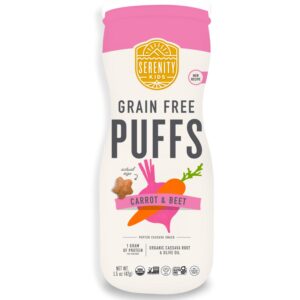
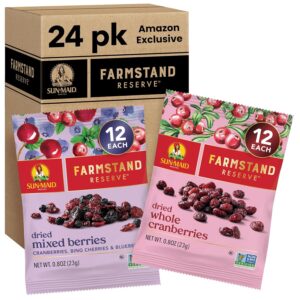
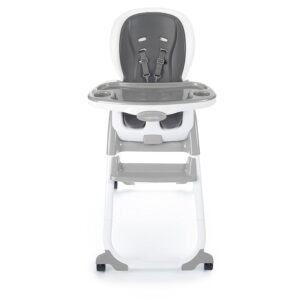
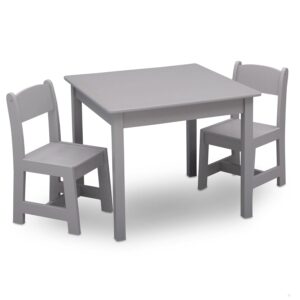
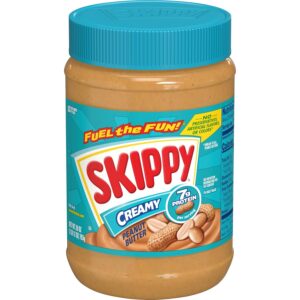
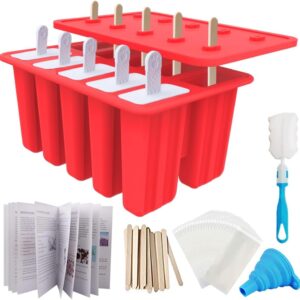
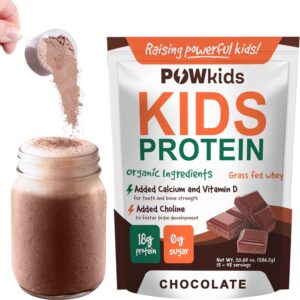
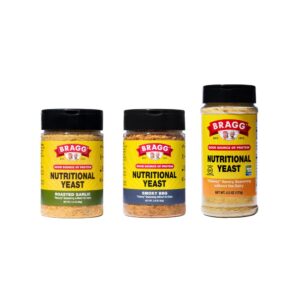
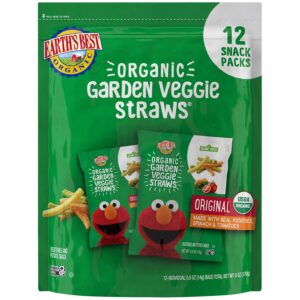
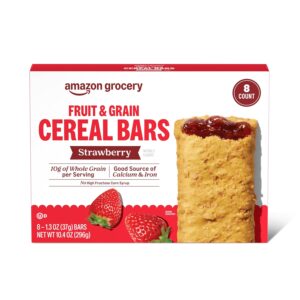
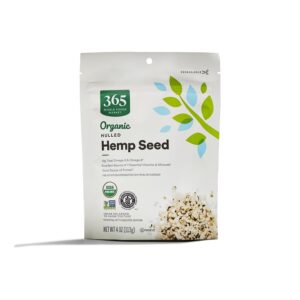
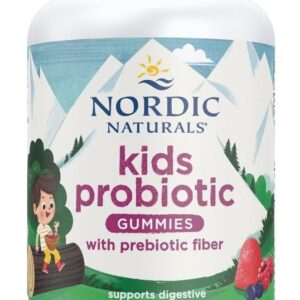
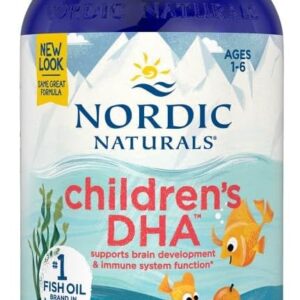
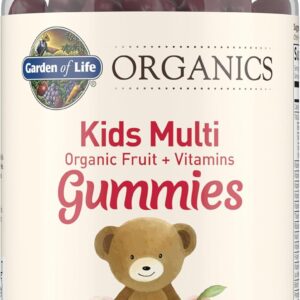
Some essential products:

Frequently Asked Questions About Healthy Toddler Snacks
How many snacks should a toddler eat each day?
Most toddlers do well with two to three snacks daily, depending on appetite and meal size. Health organizations generally recommend spacing snacks evenly between meals to maintain energy without interfering with hunger cues.
Are sweet snacks bad for toddlers?
Natural sweetness from fruits is appropriate when balanced with other nutrients. The concern lies with added sugars. Limiting foods with added sugar supports dental health and helps toddlers develop a preference for natural flavors, as emphasized by global nutrition guidelines.
Can toddlers eat the same snacks every day?
Repetition is common and acceptable, especially during phases of selective eating. However, gentle variety over time helps ensure a broader range of nutrients. Rotating ingredients while keeping familiar formats often works well.
Is it okay to offer snacks close to bedtime?
Light, balanced snacks may be appropriate if there is a long gap between dinner and bedtime. Options that combine complex carbohydrates and protein can help maintain comfort without disrupting sleep, according to pediatric sleep and nutrition research.
What if a toddler refuses healthy snacks?
Refusal is a normal part of development. Continued exposure without pressure is supported by feeding research from child development specialists. Toddlers often accept foods after multiple neutral exposures.
The Bigger Picture: Snacks as Part of Lifelong Health
Healthy snacks for toddlers at home are about more than filling small stomachs. They are about teaching taste, balance, and trust in food. When toddlers are offered simple, nourishing snacks consistently, they learn to recognize hunger, enjoy real foods, and develop eating habits that support long-term health.
Research from public health and pediatric nutrition organizations consistently shows that early dietary patterns influence future preferences, metabolic health, and even academic outcomes. Homemade snacks allow caregivers to respond flexibly to a toddler’s needs while maintaining nutritional integrity.
By focusing on whole foods, safe textures, balanced combinations, and predictable routines, families can turn snack time into a powerful tool for growth and learning. The goal is not perfection but progress—steady, informed choices that support a child’s development today and well into the future.
Healthy toddler snacks prepared at home represent care, intention, and an investment in well-being. With thoughtful planning and practical knowledge, snack time becomes not just easier, but deeply meaningful.

Add Comment