
Balancing professional responsibilities with parenting is one of the most complex challenges modern families face. Work hours are longer, expectations are higher, and family structures are more diverse than ever before. At the same time, parents want to raise emotionally secure, confident, and capable children without constant guilt or burnout.
This guide explores practical, research-informed parenting tips for working parents. It focuses on realistic strategies that fit into busy lives, respect professional commitments, and still prioritize children’s well-being. The goal is not perfection but sustainability—creating routines, mindsets, and systems that work over the long term.

Understanding the Reality of Working Parenthood
Working parents operate under constant time pressure. Dual-income households, single-parent families, shift work, and remote or hybrid roles all bring unique demands. Research from organizations such as the American Psychological Association highlights that chronic stress, not lack of love or effort, is the biggest challenge working parents face today.
Key realities to acknowledge:
- Time is limited, but influence is not
- Children value consistency more than constant presence
- Parental well-being directly affects child development
- Small daily habits matter more than occasional grand gestures
Recognizing these truths helps shift parenting from guilt-driven to intention-driven.
Quality Time Over Quantity: What Truly Matters
Decades of child development research, including findings shared by institutions like the Harvard Center on the Developing Child, show that children benefit most from focused, responsive interaction rather than sheer hours spent together.
Practical ways to build quality time:
- Create short daily connection rituals such as shared meals or bedtime check-ins
- Put devices away during conversations to show full attention
- Ask open-ended questions about thoughts and feelings, not just activities
- Be emotionally present, even when time is brief
Ten minutes of undistracted engagement can be more impactful than hours spent multitasking.
Establishing Predictable Routines That Support Everyone
Routines reduce stress for both parents and children. Predictability helps children feel secure and allows parents to manage work and home responsibilities more efficiently. According to guidance shared by the Centers for Disease Control and Prevention, structured routines contribute to better emotional regulation and behavior in children.
Helpful routine strategies include:
- Morning and evening schedules posted where everyone can see them
- Consistent meal and sleep times, even on busy days
- Clear transitions between work mode and family mode
- Weekly planning sessions to anticipate upcoming demands
Routines should be flexible enough to adapt but stable enough to anchor daily life.
Setting Healthy Boundaries Between Work and Home
One of the biggest struggles for working parents is mental spillover—work stress affecting family time and vice versa. Studies referenced by the World Health Organization emphasize the importance of psychological boundaries, not just physical ones.
Effective boundary-setting practices:
- Define clear work hours and communicate them to employers and family
- Create a physical or symbolic end-of-work routine
- Avoid checking work messages during family-only times
- Model healthy work boundaries for children
Children learn balance by observing how adults manage responsibilities.
Encouraging Independence Without Neglect
Busy schedules can unintentionally lead to over-control or under-involvement. Encouraging age-appropriate independence helps children develop confidence while reducing pressure on parents. Developmental guidance from UNICEF emphasizes that independence builds resilience and problem-solving skills.
Ways to support independence:
- Assign household tasks suitable for the child’s age
- Allow children to make small decisions daily
- Encourage problem-solving before stepping in
- Praise effort and responsibility rather than outcomes alone
Independent children often feel more capable and less anxious, benefiting the entire household.
Emotional Availability in a Time-Limited World
Emotional availability does not require constant presence. It requires responsiveness when it matters. Mental health professionals note that children need to feel heard and validated, especially when parents are busy.
Key practices include:
- Acknowledging emotions without immediately fixing problems
- Maintaining calm responses during stressful moments
- Checking in regularly about emotional well-being
- Validating feelings even when limits must be enforced
Emotionally attuned parenting tips for working parents build trust and long-term security.
Managing Guilt and Letting Go of Unrealistic Standards
Parental guilt is common among working parents, often fueled by unrealistic cultural expectations. Research discussed by the Mayo Clinic indicates that chronic guilt can undermine confidence and increase stress without improving parenting outcomes.
Strategies to reduce guilt:
- Focus on consistency rather than comparison
- Redefine success as meeting core needs, not doing everything
- Accept that balance looks different at different life stages
- Seek evidence-based information rather than social media ideals
Children benefit more from emotionally healthy parents than from exhausted perfectionists.
Supporting Academic and Developmental Growth Efficiently
Supporting learning does not require hours of homework supervision. Educational research shared by organizations such as the National Education Association highlights the importance of environment and encouragement over constant monitoring.
Efficient support methods:
- Create a designated, distraction-free study area
- Encourage reading through access, not pressure
- Stay informed about school expectations through periodic check-ins
- Celebrate curiosity and effort rather than grades alone
A supportive learning environment can coexist with a demanding work schedule.
Building a Reliable Support System
No parent thrives in isolation. Extended family, childcare providers, schools, and community resources all play a role. Family studies consistently show that social support reduces parental stress and improves child outcomes.
Support-building steps:
- Communicate openly with caregivers and educators
- Share responsibilities within the household when possible
- Use community programs and parent networks wisely
- Normalize asking for help when needed
Strong support systems are a sign of proactive parenting, not weakness.
Modeling Healthy Coping and Self-Care
Children learn coping skills by observation. When parents manage stress constructively, children are more likely to do the same. Health organizations such as the National Institute of Mental Health emphasize that parental self-care is a protective factor for children.
Healthy modeling includes:
- Managing stress through routines, rest, and boundaries
- Expressing emotions calmly and constructively
- Prioritizing sleep and basic health needs
- Demonstrating problem-solving during challenges
Self-care supports parenting capacity and family stability.
Flexible Parenting Across Different Work Arrangements
Working parents are not a single group. Office-based roles, remote work, shift schedules, and self-employment each require tailored strategies.
Considerations by work type:
- Remote work requires clear work-family separation at home
- Shift work benefits from consistent caregiving backups
- Freelance or contract work needs adaptable routines
- Traditional office roles require intentional reconnection after work
Adapting parenting tips for working parents work realities increases long-term success.
Comparison Table: Common Challenges and Practical Solutions
Balancing Work and Parenting: Challenges vs. Effective Responses
| Common Challenge | Practical Response | Long-Term Benefit |
|---|---|---|
| Limited daily time | Focused routines and rituals | Strong emotional connection |
| Work stress spillover | Clear mental and physical boundaries | Calmer home environment |
| Parental guilt | Evidence-based expectations | Improved confidence |
| Child dependence | Age-appropriate independence | Increased resilience |
| Inconsistent schedules | Predictable core routines | Emotional security |
Communication That Strengthens Connection
Clear, respectful communication builds trust and cooperation. Family communication research consistently shows that children respond better to clarity than to intensity.
Effective communication habits:
- Explain expectations clearly and calmly
- Use consistent language for rules and values
- Listen without interrupting
- Address issues early before frustration builds
Strong communication saves time and prevents recurring conflicts.
Technology, Screen Time, and Working Parents
Technology can support or disrupt family life. Health authorities such as the American Academy of Pediatrics recommend intentional screen use rather than strict avoidance.
Balanced approaches include:
- Setting clear screen boundaries for both adults and children
- Using technology to stay connected during work hours
- Avoiding screens during meals and key family times
- Modeling responsible digital behavior
Mindful technology use supports attention, sleep, and relationships.
Preparing for Transitions and Life Changes
Career changes, relocations, and school transitions affect children deeply. Preparation and communication ease these shifts. Developmental psychologists emphasize that children adapt better when they understand what to expect.
Helpful preparation steps:
- Discuss upcoming changes in advance
- Maintain familiar routines during transitions
- Encourage questions and emotional expression
- Offer reassurance through consistency
Prepared families navigate change with less stress.
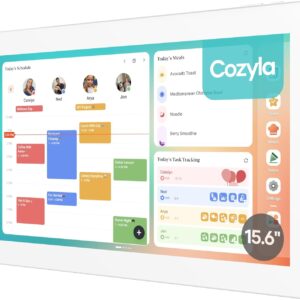
Product List:






Frequently Asked Questions
How can working parents spend meaningful time with children on busy weekdays?
Recognizing that time is limited, meaningful interaction focuses on presence rather than duration. Shared meals, brief conversations before bed, or morning check-ins create reliable connection points. Consistency and attention matter more than length.
Is it harmful for children if both parents work full-time?
Research across multiple countries shows that parental employment itself is not harmful. Child well-being depends more on emotional responsiveness, stability, and caregiving quality than on parental work hours.
How can parents reduce stress without sacrificing responsibilities?
Stress reduction comes from systems, not shortcuts. Predictable routines, realistic expectations, delegation, and boundaries help manage demands while maintaining family stability.
What role does independence play in busy households?
Independence allows children to develop confidence and reduces daily pressure on parents. Age-appropriate responsibilities teach problem-solving and accountability while supporting household functioning.
How can parenting tips for working parents stay involved in education?
Staying informed through periodic communication with educators, creating supportive learning environments at home, and encouraging curiosity are often more effective than constant supervision.
A Sustainable Approach to Working Parenthood
Parenting while working is not about doing everything—it is about doing what matters most, consistently and thoughtfully. Children thrive in environments where they feel secure, valued, and understood. Careers thrive when parents manage energy, boundaries, and expectations realistically.
By focusing on quality over quantity, building predictable routines, encouraging independence, and modeling healthy coping, working parents can raise resilient children while maintaining professional growth. The most effective parenting strategies are not perfect or rigid; they are adaptable, informed, and grounded in long-term well-being.
Working parenthood is not a limitation. With the right approach, it becomes a powerful model of balance, responsibility, and purposeful living that children carry forward into their own lives.

Add Comment