
A comprehensive, practical postpartum recovery tips for new mothers—covering physical healing, emotional wellbeing, nutrition, rest, and expert-backed tips for a safe, confident recovery.
Introduction
Postpartum recovery is a gradual, multi-layered process that begins immediately after childbirth and continues for months. During this time, the body heals from pregnancy and delivery, hormones rebalance, sleep patterns shift, and daily routines change. Recovery looks different for every mother, shaped by delivery type, overall health, available support, and cultural practices.
This guide brings together medically reviewed guidance, observed recovery patterns, and practical strategies to support safe healing after birth. It covers postpartum recovery tips like physical recovery, emotional wellbeing, nutrition, rest, movement, warning signs, and long-term health—so new mothers can navigate this transition with clarity and confidence.

Also read about: Postpartum Diet Plan for Breastfeeding Mothers to Support Recovery
Understanding the Postpartum Recovery Timeline
Postpartum recovery is often described in stages, though progress is rarely linear.
- First 24–72 hours: Initial healing begins; uterine contractions reduce bleeding; soreness and fatigue are common.
- Weeks 1–6: Tissues repair, hormone levels shift, sleep remains disrupted, and energy fluctuates.
- Months 3–6: Strength and stamina gradually return; pelvic floor and core rehabilitation continue.
- Up to one year: Hormonal balance, joint stability, and emotional equilibrium typically normalize.
Clinical overviews from organizations such as the American College of Obstetricians and Gynecologists emphasize that recovery extends beyond the traditional six-week checkup and benefits from ongoing care and monitoring.
Physical Healing After Childbirth
Vaginal Birth Recovery
Common experiences include perineal soreness, swelling, and light bleeding (lochia). Helpful practices include:
- Applying cold packs in the early days to reduce swelling
- Using warm sitz baths to improve circulation and comfort
- Keeping the area clean and dry to prevent infection
- Choosing breathable, loose clothing
Guidance from the National Health Service supports gentle hygiene, pain management, and gradual activity resumption to promote healing.
Cesarean Birth Recovery
Recovery after a cesarean birth involves surgical incision care and mobility precautions:
- Keeping the incision clean and dry
- Avoiding heavy lifting until cleared by a clinician
- Using abdominal support garments if recommended
- Watching for redness, discharge, or fever
Post-surgical recovery standards outlined by the World Health Organization stress rest, wound care, and early—but gentle—movement to reduce complications.
Postpartum Recovery Tips
Managing Postpartum Bleeding and Pain
Postpartum bleeding typically decreases from bright red to lighter shades over several weeks. Pain may include uterine cramping, incision discomfort, or muscle soreness.
Evidence-based relief strategies include:
- Prescribed or clinician-approved pain medication
- Adequate hydration to support circulation
- Positioning supports while sitting or feeding
- Short walks to improve blood flow
Educational resources from the Centers for Disease Control and Prevention outline normal bleeding patterns and signs that require medical attention.
Rest, Sleep, and Energy Conservation
Sleep deprivation is one of the most significant postpartum challenges. While uninterrupted sleep may not be realistic, restorative rest is still possible.
Practical strategies:
- Prioritizing short rest periods throughout the day
- Sharing nighttime responsibilities when possible
- Creating a low-stimulus sleep environment
- Limiting nonessential tasks during early weeks
Sleep health guidance published by Sleep Foundation highlights the role of consistent routines and reduced stimulation in improving sleep quality during disrupted periods.
Nutrition for Postpartum Healing
Nutrition plays a direct role in tissue repair, hormone regulation, and energy levels.
Key Nutrients to Prioritize
- Protein: Supports muscle repair and immune function
- Iron: Replenishes stores depleted during delivery
- Calcium and vitamin D: Strengthen bones and support nerve function
- Omega-3 fatty acids: Support brain health and mood balance
Dietary recommendations from the Academy of Nutrition and Dietetics encourage whole foods, regular meals, and adequate hydration, especially for breastfeeding mothers.
Gentle Movement and Physical Rehabilitation
Movement supports circulation, reduces stiffness, and promotes mental wellbeing when introduced carefully.
Early postpartum movement may include:
- Short, slow walks
- Gentle stretching approved by a clinician
- Deep breathing exercises
Pelvic Floor and Core Recovery
Pelvic floor weakness is common after pregnancy and childbirth. Targeted exercises help restore strength and prevent long-term issues.
Clinical rehabilitation frameworks endorsed by the International Continence Society recommend guided pelvic floor exercises and professional assessment when symptoms persist.
Emotional Wellbeing and Mental Health
Hormonal shifts, sleep disruption, and lifestyle changes can affect emotional health.
Common Emotional Experiences
- Mood swings or irritability
- Tearfulness in the early days
- Anxiety related to caregiving responsibilities
Persistent or intensifying symptoms may signal postpartum mood disorders. Educational materials from Postpartum Support International highlight the importance of early support and professional care.
Building a Supportive Recovery Environment
Recovery improves when practical and emotional support are available.
Helpful support structures include:
- Clear communication about needs
- Assistance with household tasks
- Access to professional postpartum care
- Peer support through community groups
Family-centered care models recommended by the UNICEF recognize the role of community support in maternal recovery.
Comparison Table: Recovery Needs by Delivery Type
Postpartum Recovery Considerations at a Glance
| Recovery Area | Vaginal Birth | Cesarean Birth |
|---|---|---|
| Primary healing focus | Perineal tissues | Surgical incision |
| Typical discomfort | Swelling, soreness | Abdominal pain |
| Mobility | Earlier gentle movement | Gradual, cautious movement |
| Lifting restrictions | Minimal after early weeks | Avoid heavy lifting initially |
| Recovery timeline | Often shorter | Often longer |
Warning Signs That Require Medical Attention
Prompt care is essential if any of the following occur:
- Heavy bleeding soaking a pad within an hour
- Fever above 38°C (100.4°F)
- Severe or worsening pain
- Signs of infection at incision or perineum
- Persistent feelings of hopelessness or panic
Clinical safety advisories from the Mayo Clinic emphasize early evaluation to prevent complications.
Long-Term Health After the Postpartum Period
Postpartum recovery extends beyond physical healing. Long-term health considerations include:
- Gradual return to regular exercise
- Ongoing pelvic floor health
- Monitoring nutritional status
- Continued mental health awareness
Preventive health recommendations published by Harvard Health Publishing support sustained follow-up care for overall wellbeing.
Read about: Postpartum Mental Health Support: A Complete, Evidence-Based Guide for New Mothers
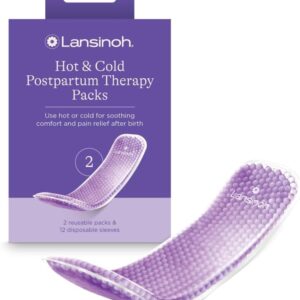
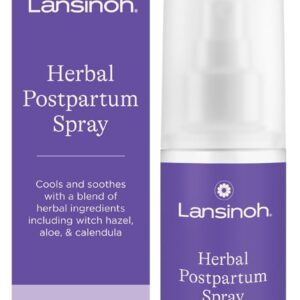
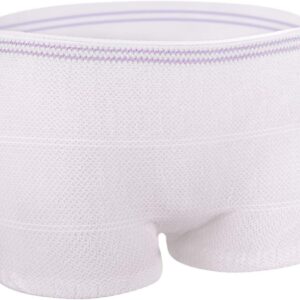
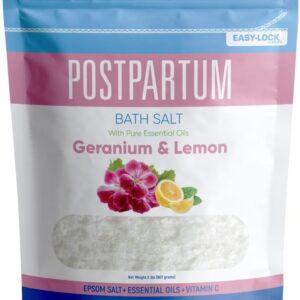
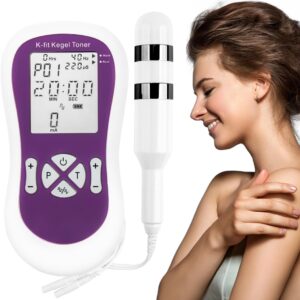
Here are some useful products:


Frequently Asked Questions
How long does postpartum recovery usually take?
Recovery varies, but many physical changes stabilize within three to six months, while some aspects—such as hormonal balance—may take up to a year.
Is pain normal during postpartum recovery?
Mild to moderate discomfort is common initially. Pain that worsens or interferes with daily functioning should be evaluated by a healthcare professional.
When is exercise safe after childbirth?
Light movement can begin early if approved, while structured exercise typically resumes after medical clearance, depending on delivery type and healing progress.
How can emotional health be supported during recovery?
Consistent rest, balanced nutrition, social support, and professional care when needed all contribute to emotional wellbeing.
Are postpartum checkups enough for full recovery?
While essential, ongoing self-monitoring and additional consultations may be beneficial, especially if symptoms persist beyond early recovery.
Conclusion
Postpartum recovery is a comprehensive process involving physical healing, emotional adjustment, nutritional support, and gradual return to activity. It unfolds over months, not weeks, and benefits from patience, informed care, and reliable support systems. Understanding what to expect, recognizing warning signs, and prioritizing health needs can make recovery safer and more manageable.
By considering postpartum recovery tips and approaching postpartum healing as an ongoing journey rather than a fixed deadline, new mothers can build a strong foundation for long-term wellbeing—one that supports both personal health and the demands of early parenthood.

Add Comment