
Bringing a newborn home is one of life’s most significant transitions. For first-time parents, the early days can feel overwhelming—not because of a lack of love, but because everything is unfamiliar. Newborns have unique physical needs, delicate immune systems, and communication styles that are very different from older babies that’s why newborn care tips are important. Understanding how to care for them properly in the first weeks lays the foundation for healthy growth, emotional security, and parental confidence.
This comprehensive guide on newborn care tips for first-time parents covers essential routines, medical guidance, safety practices, and daily care skills. It draws on pediatric research, global health recommendations, and widely accepted newborn care standards to provide clear, reliable, and practical information that supports both baby well-being and parental peace of mind.
Read about: Newborn Baby Essentials for 2026: What Parents Really Need
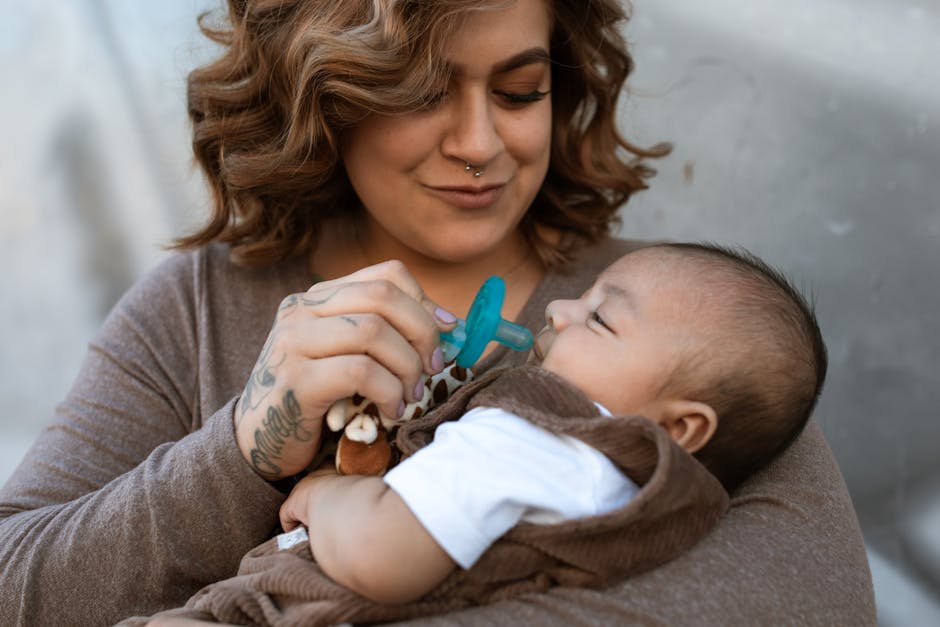
Understanding the Newborn Phase
The newborn period refers to the first 28 days of life. During this time, babies undergo rapid physiological adjustments as they adapt from life inside the womb to the outside world. Organs such as the lungs, digestive system, and immune system are still developing, which is why newborn care focuses heavily on protection, warmth, nutrition, and hygiene.
Health authorities like the World Health Organization emphasize that consistent, responsive care during this period significantly reduces the risk of infections, feeding problems, and early developmental issues. Recognizing that newborn behavior—frequent feeding, irregular sleep, and crying—is normal helps parents respond calmly and appropriately rather than with unnecessary concern.
Feeding a Newborn the Right Way
Nutrition is the cornerstone of newborn health. Whether feeding is done through breastfeeding, formula feeding, or a combination of both, the goal is to ensure adequate intake, proper growth, and comfort.
Breast milk is widely recognized as the optimal source of nutrition for infants, as supported by guidance from the American Academy of Pediatrics. It provides antibodies that support immunity and is easier for newborns to digest. However, infant formula is also a safe and nutritionally complete alternative when prepared correctly, according to standards outlined by the Centers for Disease Control and Prevention.
Key feeding considerations include:
- Feeding on demand, typically every 2–3 hours
- Watching for hunger cues such as rooting or sucking motions
- Avoiding overfeeding by recognizing signs of fullness
- Burping the baby to reduce gas and discomfort
Regular pediatric checkups help ensure feeding methods are supporting healthy weight gain and hydration.
Safe Sleep Practices for Newborns
Sleep safety is one of the most critical aspects of newborn care. Research-backed recommendations from organizations such as the National Institutes of Health consistently show that safe sleep practices significantly reduce the risk of sudden infant death syndrome.
Newborns should always be placed on their backs to sleep on a firm, flat surface. The sleep area should be free from loose bedding, pillows, soft toys, or bumpers. Room-sharing without bed-sharing is often recommended during the early months to allow close monitoring while maintaining a safe sleep environment.
While newborns sleep up to 16–18 hours a day, their sleep is fragmented. Understanding that frequent waking is biologically normal helps caregivers establish realistic expectations and safer routines.
Maintaining Proper Hygiene and Bathing
Another newborn care tips is that newborn skin is thinner and more sensitive than adult skin, making gentle hygiene essential. Daily bathing is not necessary; in fact, excessive bathing may lead to dryness and irritation. Pediatric dermatology guidelines often recommend sponge baths until the umbilical cord stump falls off naturally.
Important hygiene practices include:
- Using mild, fragrance-free cleansers
- Keeping the umbilical area clean and dry
- Trimming nails carefully to prevent scratches
- Washing hands thoroughly before handling the baby
According to pediatric care standards referenced by institutions like Mayo Clinic, proper hygiene reduces the risk of skin infections and promotes comfort without disrupting the natural protective oils of newborn skin.
Diapering and Preventing Rashes
Frequent diaper changes are a normal part of newborn care, as newborns may urinate or have bowel movements multiple times a day. Keeping the diaper area clean and dry is key to preventing irritation.
Diaper rash is common but usually preventable with simple measures:
- Changing diapers promptly
- Gently cleaning the skin without harsh wipes
- Allowing brief periods of air exposure
- Using barrier creams when necessary
Medical sources such as Cleveland Clinic highlight that persistent rashes or sores should be evaluated by a healthcare professional to rule out infections or allergies.
Recognizing Normal Crying and Comforting Techniques
Crying is a newborn’s primary method of communication. It does not always indicate a problem but often signals hunger, discomfort, fatigue, or the need for closeness. Understanding this helps caregivers respond with reassurance rather than stress.
Effective soothing strategies include:
- Gentle rocking or swaying
- Swaddling for warmth and security
- Soft background sounds
- Offering a feeding if cues are present
Research summarized by organizations like Zero to Three explains that responsive caregiving supports emotional regulation and fosters early bonding, even though crying itself is developmentally normal.
Health Monitoring and Pediatric Visits
Regular health checkups are essential during the newborn period. These visits allow healthcare providers to monitor growth, screen for congenital conditions, and address feeding or sleep concerns early.
Vaccinations, newborn screenings, and weight checks follow schedules recommended by public health authorities such as the Centers for Disease Control and Prevention. Keeping accurate medical records and attending appointments on time contributes to long-term health outcomes.
Parents are also encouraged to seek medical advice if a newborn shows signs such as fever, difficulty breathing, poor feeding, or unusual lethargy.
Creating a Safe Home Environment
Newborn safety extends beyond sleep. The home environment should minimize risks associated with accidents, infections, and environmental hazards.
Key safety measures include:
- Using properly installed car seats
- Keeping small objects out of reach
- Maintaining smoke-free indoor spaces
- Ensuring safe water temperatures
Guidance from organizations like the Consumer Product Safety Commission reinforces that early safety planning reduces preventable injuries and creates a secure space for infant development.
Emotional Well-Being and Caregiver Adjustment
Caring for a newborn requires physical effort and emotional resilience. Fatigue, disrupted routines, and constant vigilance are common during the early weeks. While the focus remains on the baby, caregiver well-being plays a crucial role in providing consistent care.
Healthcare systems and family support structures often encourage rest, shared responsibilities, and professional consultation when stress becomes overwhelming. Resources supported by institutions such as the National Institute of Mental Health emphasize that emotional health supports effective caregiving and household stability.
Newborn Care Tips Comparison Table
Daily Newborn Care: What Matters Most in the First Month
| Care Area | Primary Focus | Recommended Approach |
|---|---|---|
| Feeding | Nutrition and growth | Feed on demand, monitor weight gain |
| Sleep | Safety and rest | Back sleeping, firm surface |
| Hygiene | Skin and infection prevention | Gentle cleansing, minimal bathing |
| Health Monitoring | Early detection | Regular pediatric visits |
| Safety | Injury prevention | Safe sleep, secure environment |
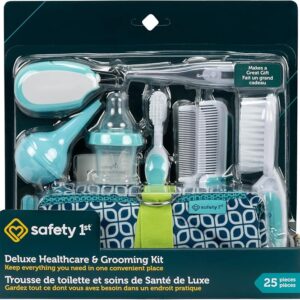
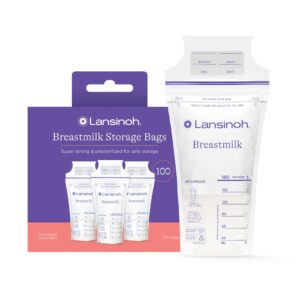
Some Interesting And Helpful Amazon Recommendations





Frequently Asked Questions About Newborn Care
How often should a newborn be fed?
Most newborns need feeding every two to three hours, including overnight. Feeding frequency may vary depending on growth patterns and medical advice.
Is it normal for newborns to lose weight after birth?
Yes, mild weight loss in the first few days is common. Pediatric monitoring ensures that weight gain resumes appropriately within the first two weeks.
When can regular baths begin?
Once the umbilical cord stump falls off and the area heals, full baths can be introduced gradually using gentle products.
What signs indicate a newborn needs medical attention?
Persistent fever, poor feeding, breathing difficulty, or unusual behavior should prompt immediate consultation with a healthcare provider.
Can newborn routines be established early?
While strict schedules are not recommended, consistent patterns around feeding, sleep, and care help newborns feel secure and supported.
Conclusion: Building Confidence Through Knowledge and Consistency
Caring for a newborn for the first time is both a responsibility and a learning process. With reliable information, evidence-based practices, and attentive care, first-time parents can meet their newborn’s needs with growing confidence. The early weeks are less about perfection and more about consistency, observation, and responsiveness.
By focusing on safe feeding, proper sleep, gentle hygiene, regular health monitoring, and a secure environment, caregivers provide the essential conditions for healthy development. Over time, routines become more familiar, signals easier to interpret, and caregiving more intuitive.
Newborn care is not about mastering everything at once. It is about laying a strong, informed foundation—one careful day at a time—that supports lifelong health, trust, and well-being.

Add Comment