

Being a parent of a toddler means facing a fair share of fever, sniffles, and late-night worries. Toddlers are naturally more prone to illness because their immune system is still developing. Toddlers are on the journey of exploring the world by touching everything, putting objects in their mouths, and being around other children, which invites a lot of germs and bacteria. According to the American Academy of Pediatrics, toddlers catch 8-10 viral infections each year on average. While many of these illnesses are not that serious and can be treated at home, knowing what are some common toddler illnesses, how to recognize symptoms and when to seek medical assistance is crucial for every parent.
Also read about: Cope with Toddler Tantrums Calmly: A Full Proof-Based totally Data
What Are the 5 Most Common Childhood Illnesses?
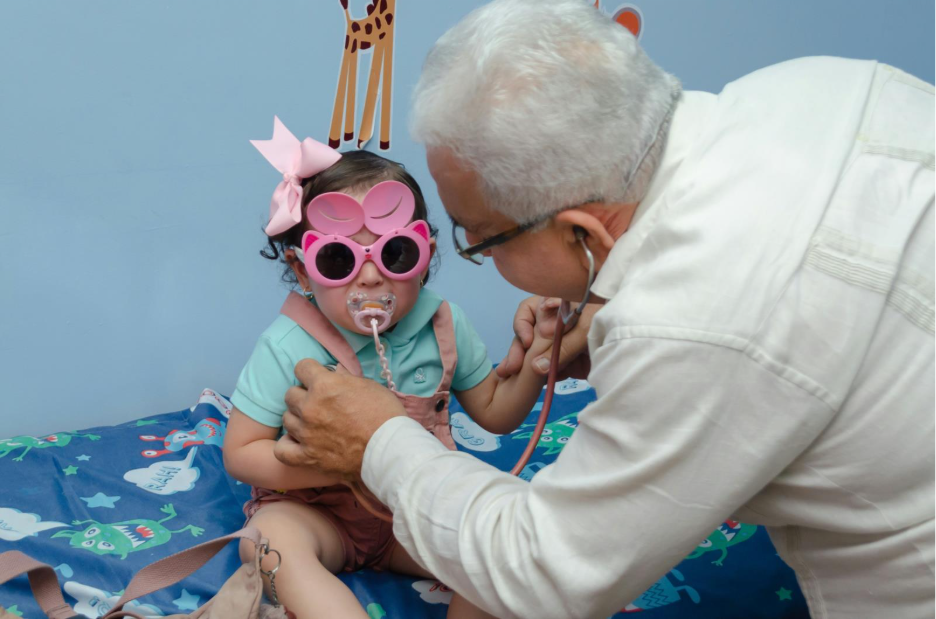
Although various illnesses can affect a toddler in many ways, pediatricians often highlight five common illnesses that most young children experience.
- Common Cold
- Ear Infections
- Stomach Flu (Gastroenteritis)
- Hand, Foot, and Mouth Disease
- Respiratory Infections (like RSV or bronchitis)
Let’s break each one of them down with symptoms, home care tips, and when to call a doctor.
1. The Common Cold
Colds are the number one reason for toddler sick days. They are caused by a virus called rhinovirus and spread easily in daycares and playgrounds. Its symptoms include a stuffy or runny nose, cough, sneezing, watery eyes, mild fever, and sometimes fatigue.
How to treat at home:
- Use a cold mist humidifier in their room to ease congestion.
- Encourage rest and extra cuddles.
- Keep your toddler hydrated with soups, water, or rehydration fluids.
- A nasal inhaler or saline spray can help with a stuffy nose.
When to see a doctor: if your toddler has a high fever for more than 3 days, shows extreme lethargy, or has trouble breathing.
2. Ear Infections
Ear infections occur when fluid builds in the middle ear and often follow a cold. The CDC reports that 5 out of 6 children will have at least one ear infection by age 3. Symptoms include:
- Tugging at the ear
- Irritability
- Ear pain
- Fever and sometimes sleeping trouble
How to treat at home:
- Over-the-counter pain relievers (acetaminophen or ibuprofen, with pediatrician approval) may help
- Keep your child upright during sleep to reduce pain
- Warm compresses placed near the ear can ease discomfort
When to see a doctor: pus-like drainage from the ear, persistent fever, or if your child seems to be in severe pain. Some cases require antibiotics.
3. Stomach Flu (Gastroenteritis)
Stomach flu in toddlers is often caused by rotavirus or norovirus. Dehydration is its biggest cause. Symptoms include:
- Diarrhea
- Vomiting
- Fever
- Stomach cramps
- Lack of appetite
How to treat at home
- Stick to bland foods like bananas, applesauce, rice, and toast once vomiting subsides.
- Offer frequent sips of oral rehydration solution to prevent dehydration.
- Avoid sodas and sugary juices, which can worsen diarrhea.
When to see a doctor: bloody stools, signs of dehydration (dry mouth, no tears, no urination for 6-8 hours), or persistent vomiting.
4. Hand, Foot, and Mouth Disease (HFMD)
This viral infection is common in toddlers and causes red spots or blisters on the hand, foot, and inside the mouth. Symptoms may also include:
- Sore throat
- Fever
- Irritability
How to treat at home
- Keep nails trimmed short to prevent scratching the rash.
- Give plenty of cool liquids and soft foods to ease mouth pain.
- Cold treats like smoothies, ice creams, or yogurt can soothe mouth sores.
When to see a doctor: if your toddler has a persistent fever, refuses fluids completely, or the rashes look worse.
5. Respiratory Infections (RSV, Bronchitis, Pneumonia)
Respiratory illnesses can range from mild to serious. RSV (Respiratory Syncytial Virus) occurs mostly during winter and is common in toddlers. Symptoms include:
- Coughing
- Wheezing
- Fever
- Runny nose
- Sometimes breathing difficulties
How to treat at home:
- Encourage rest and hydration
- Elevate your child’s head slightly while sleeping to help with breathing
- Keep the air moist with a humidifier
When to see a doctor: if your child is wheezing, breathing heavily, or showing chest retractions (skin pulling in with each breath).
Other Common Toddler Illnesses Parents Should Know
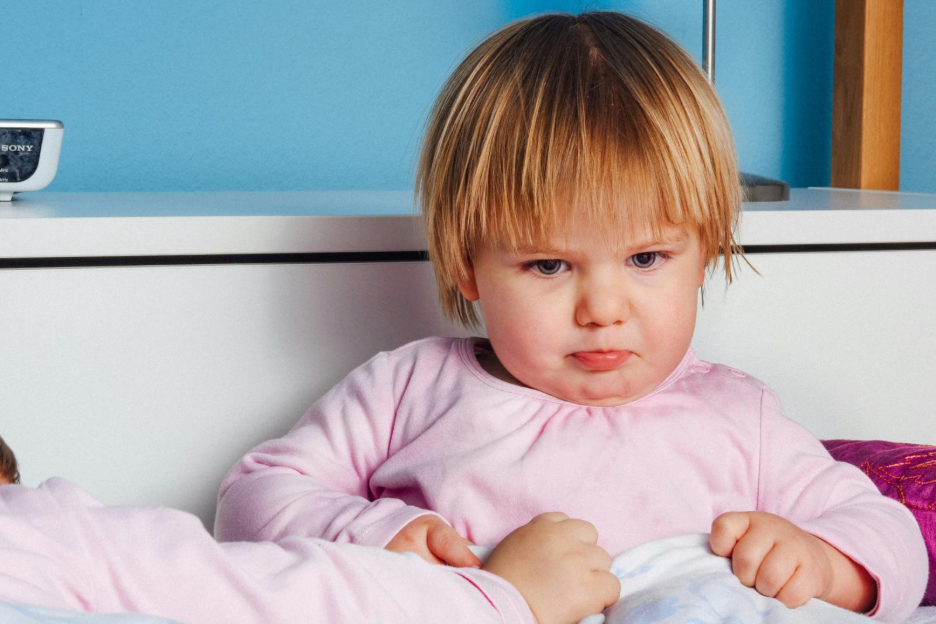
Conjunctivitis (pink eye)
Caused by bacteria, allergies, and viruses. Look out for red, itchy eyes with discharge.
Allergies and Asthma
Seasonal allergies can cause sneezing, congestion, and watery eyes. In some cases, toddlers may also develop asthma, which requires proper care and examination.
Roseola
A viral infection that typically infects children under 2. Symptoms include a sudden high fever followed by a pink rash as the fever subsides.
Constipation
Common when toddlers move to solid foods. Encourage water, fiber-rich foods, and physical activity.
When Symptoms are Worrying
Sometimes a child seems lethargic, no fever, no appetite. Parents become worried about how their toddler looks and acts than about a specific diagnosis. If toddler might be experiencing anything from dehydration to a hidden infection. If your child is sleeping excessively, not interested in play, or is difficult to wake, it’s advised to consult a pediatrician, even without a fever.
Fever with Watery Eyes in Toddlers
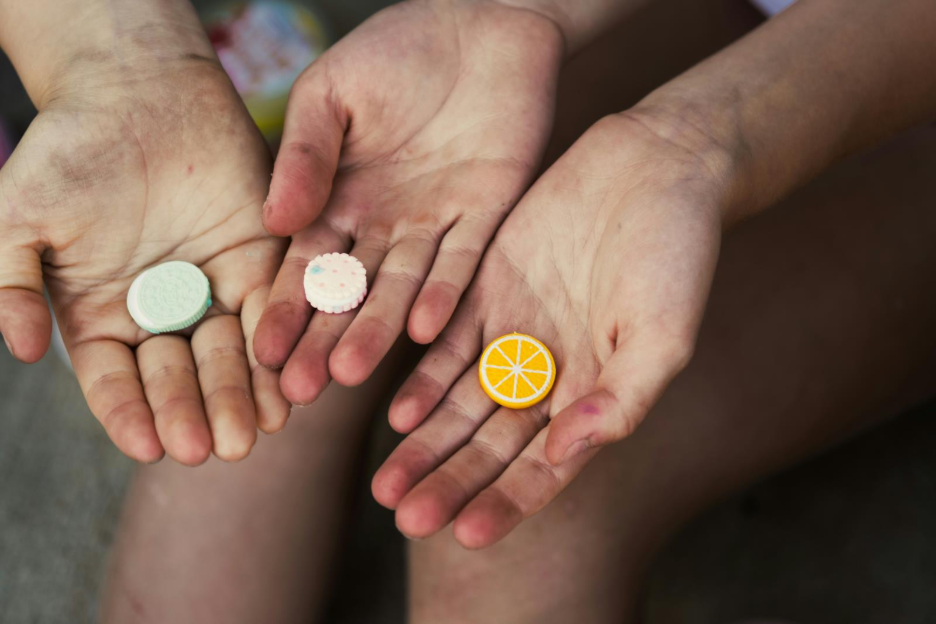
Fever paired with watery eyes can sometimes point to a viral infection, such as a cold or flu. It may also indicate conjunctivitis or allergies if accompanied by redness or itching. If the fever is high (over 102°F) or the child seems extremely uncomfortable, a professional medical checkup is recommended.
Home remedies and comfort measures for sick toddlers
- Rest: Allow plenty of sleep and quiet time.
- Healthy diet: Introduce easy-to-digest foods when appetite returns.
- Hydration is key: Oral hydration solution, water, and clear soups prevent dehydration.
- Comfort items: Favorite stuffed animals, blanket, and soft pillows can soothe frustration.
- Clean environment: Sanitize toys, wash hands, and use disinfectants to ward off germs spread.
Research Insights on Toddler Illness
- CDC data shows that ear infections remain the most common reason for antibiotics in young children.
- A 2019 Pediatrics Journal study found that children in group childcare are twice as likely to catch a viral infection as compared to toddlers at home.
- WHO highlights dehydration from gastroenteritis as one of the leading preventable causes of children’s hospitalization worldwide.
By keeping these findings in mind, parents can handle illnesses with home remedies along with evidence-based care and seek professional help when necessary.
Know about: Healthful Meal Ideas for Picky Toddlers: A Full Data to Profitable the Dinner Desk Battle
Final Thoughts
Illnesses are an inevitable part of toddlerhood, but most of them are mild and can be managed safely at home with proper care. Knowing the most common childhood illnesses, such as colds, ear infections, stomach flu, hand, foot, and mouth disease, and respiratory infections, helps parents act quickly and confidently. The key is recognizing when a child needs comfort at home versus when symptoms signal something more serious requiring a doctor’s attention. With patience, home remedies, and medical guidance when needed, parents can help their toddlers recover while strengthening their immunity for the future.
Frequently Asked Questions
1. How can I tell the difference between allergies and a common cold in my toddler?
Colds usually come with coughing, a runny or stuffy nose, mild fever, and last about a week. Allergies, on the other hand, tend to cause clear watery mucus, itchy eyes, sneezing, and can last for weeks depending on exposure.
2. What should I do if my toddler refuses medicine when they are sick?
Many parents struggle with this. Try giving medicine with a dropper instead of a spoon, mix it (if safe) with a small amount of juice, or ask your pediatrician if any flavored alternatives are available. Never try to force-feed the medicine, as it can cause choking.
3. Is it normal for toddlers to get sick so often?
Yes, toddlers can get 8-12 minor illnesses per year, especially if they play a lot with other kids, attend daycare, or preschool. Their immune systems are still developing, so frequent colds or mild fevers are common and usually are not alarming.
4. What home remedies are safe for soothing a sick toddler?
Simple remedies like offering plenty of fluids, giving warm baths, using a humidifier for congestion, and ensuring adequate rest are safe. Honey (suitable only for children above 1 year old) can soothe a cough, but strictly avoid using it in younger babies.
5. How important are vaccines in preventing common toddler illnesses?
Vaccinations are one of the most effective ways to protect toddlers from serious illnesses like measles, whooping cough, and influenza. Even though children may still catch minor colds or stomach bugs, vaccines prevent life-threatening infections and reduce the severity of certain diseases.




Add Comment