

The peaceful bedtime routine that after labored like clockwork has all the sudden reworked proper right into a nightly battle. A toddler who beforehand slept by the night is now waking various situations, resisting naps, and turning bedtime into an hours-long ordeal. This irritating state of affairs impacts quite a few households and normally alerts a sleep regression—a short nevertheless tough half that will go away dad and mother feeling overwhelmed and decided for choices.
Sleep regressions characterize common developmental milestones, though they rarely actually really feel “common” when experiencing them at 2 AM. Understanding what triggers these disruptions, recognizing the warning indicators early, and implementing evidence-based strategies may assist households navigate these troublesome durations with a lot much less stress and additional confidence. Evaluation from the American Academy of Pediatrics confirms that sleep regressions are short-term developmental phases that the majority children experience, typically resolving inside two to six weeks with fixed responses.
Understanding What Sleep Regression Actually Means
Toddler sleep regression describes a interval when a toddler who beforehand maintained good sleep habits all the sudden experiences essential sleep disruptions. These phases normally closing between two to six weeks, though size varies counting on the underlying set off and the way in which dad and mother reply. In distinction to occasional unhealthy nights, regressions include fixed pattern changes that persist for no less than various days.
The time interval “regression” can mislead dad and mother into pondering their toddler is dropping beforehand acquired talents. Really, these durations normally coincide with most important developmental leaps the place toddlers are processing new abilities—strolling, talking, or understanding object permanence. Based mostly on evaluation revealed by the National Sleep Foundation, the thoughts stays remarkably energetic all through sleep, consolidating new knowledge and skills found all through waking hours.
Toddler sleep regressions principally occur spherical 12 months, 18 months, and 24 months, though they may happen at any degree all through the toddler years. The 12-month regression normally coincides with strolling milestones, the 18-month mannequin normally aligns with language explosion and separation nervousness, whereas the 2-year regression repeatedly entails elevated independence struggles and creativeness enchancment.
Recognizing the Telltale Indicators of Sleep Regression
Determining a sleep regression early permits dad and mother to answer appropriately fairly than inadvertently creating new sleep points. The following indicators level out a toddler may be experiencing a regression fairly than merely having only a few off nights.
Sudden Sleep Resistance at Bedtime
A toddler who beforehand settled merely may all the sudden protest bedtime vigorously, requiring extended settling durations. This resistance manifests as crying, calling out repeatedly, climbing out of the crib, or requesting numerous curtain calls—one more story, one different drink, additional hugs. The Sleep Research Society notes that elevated cognitive consciousness all through developmental leaps may make toddlers additional proof in opposition to separating from dad and mother at night.
Frequent Night time time Wakings
Night time time wakings that beforehand resolved may return with depth, with toddlers waking various situations all by the night. These wakings normally include the child exhibiting completely alert fairly than drowsy, making it troublesome to resettle them shortly. Some toddlers wake and immediately stand or identify out, whereas others wake silently nevertheless keep awake for extended durations.
Read About: Understanding Toddler Behaviour at Home: A Simple Guide for Parents
Early Morning Wake-Ups
A toddler who persistently woke at 6:30 AM may all the sudden start the day at 5:00 AM or earlier, no matter going to mattress on the frequent time. These early risings normally actually really feel considerably defeating on account of they compound the exhaustion from disrupted nights whereas moreover shortening the child’s complete sleep size.
Nap Disruption or Refusal
Nap situations that beforehand ran simply may become battles, with toddlers resisting sleep no matter obvious tiredness. Some children skip naps completely, whereas others take significantly shorter naps than frequent. This disruption normally creates a vicious cycle the place overtiredness makes nighttime sleep way more tough.
Elevated Clinginess and Separation Anxiousness
Many sleep regressions coincide with heightened separation nervousness, making toddlers additional reluctant to separate from dad and mother at sleep situations. This nervousness may manifest as excessive crying when dad and mother go away the room, repeated requests for reassurance, or bodily clinging all through bedtime routines.
Frequent Triggers Behind Toddler Sleep Regressions
Understanding the underlying causes helps dad and mother reply with relevant strategies fairly than attempting choices that don’t deal with the inspiration downside. Quite a lot of parts normally combine to create the precise storm for sleep disruption.
Developmental Milestones and Cognitive Leaps
Principal developmental achievements create psychological and bodily pleasure that interferes with sleep. When toddlers examine to walk, they normally observe standing of their cribs in its place of sleeping. Language enchancment may end up in elevated vocalization at night. Evaluation from Stanford Children’s Health demonstrates that durations of speedy thoughts enchancment correlate strongly with short-term sleep disruptions as children’s brains work further time processing new knowledge.
Cognitive leaps considerably impact sleep on account of toddlers are rising new understandings in regards to the world—object permanence means they now understand that people exist even when out of sight, which could enhance separation nervousness. Creativeness enchancment spherical age two may end up in fears about darkness or monsters that didn’t beforehand exist.
Bodily Improvement and Teething
Bodily discomfort from teething molars or progress spurts can significantly disrupt sleep patterns. Toddlers normally get their first molars between 13-19 months and second molars between 25-33 months. The American Dental Association confirms that molar eruption causes additional discomfort than entrance tooth on account of their larger flooring house and the stress required for them to interrupt by the gums.
Improvement spurts may trigger actual hunger at night, even in toddlers who beforehand didn’t require nighttime feeding. These spurts moreover usually set off rising pains—uncomfortable sensations throughout the legs that will wake children or make it troublesome to fall asleep.
Changes in Schedule or Environment
Transitions paying homage to starting daycare, transferring to a model new dwelling, welcoming a model new sibling, or touring can set off sleep regressions. Even optimistic changes create stress that manifests in sleep disruption. The disruption from journey considerably impacts sleep on account of it entails various changes concurrently—fully totally different sleeping environment, altered routines, and attainable time zone changes.
Elevated Independence and Boundary Testing
As toddlers develop stronger senses of autonomy, they begin testing limits additional aggressively. This developmental stage normally manifests most strongly spherical sleep on account of bedtime represents a clear parent-imposed boundary. Toddlers may resist sleep merely to assert independence fairly than on account of they don’t seem to be drained.
Proof-Primarily based Strategies to Deal with Sleep Regression
Effectively managing sleep regression requires consistency, persistence, and strategies that deal with the underlying causes fairly than merely the indicators. The following approaches have sturdy evaluation help and smart monitor knowledge.
Maintain Fixed Routines and Schedules
Consistency provides the predictability that helps toddlers actually really feel protected all through not sure developmental durations. Sustaining the similar bedtime routine—tub, books, songs, lights out—within the similar order every night creates a strong sleep affiliation. Based mostly on pointers from the Centers for Disease Control and Prevention, fixed bedtimes and wake situations help regulate circadian rhythms, making it less complicated for kids to fall asleep and wake naturally.
The routine must closing 20-Half-hour and occur on the same time each night, with minimal variation even on weekends. Along with calming actions like learning or gentle music helps transition the nervous system into sleep mode, whereas avoiding stimulating actions like roughhousing or show display screen time all through the hour sooner than mattress prevents cortisol spikes that intervene with sleep onset.
Deal with Developmental Needs All through Waking Hours
Providing ample different to observe new talents all through the day can reduce the need to observe them at night. When a toddler is learning to walk, offering additional observe time all through the day may decrease nighttime standing and strolling throughout the crib. Equally, children experiencing language explosions revenue from extended dialog alternate options all through waking hours.
This technique works on account of it permits children to expend the facility and pleasure associated to new talents when it is not going to intervene with sleep. Bodily train all through the day moreover builds sleep stress—the natural need for sleep that accumulates all through waking hours—making it less complicated to fall asleep at night.
Implement Gradual Bedtime Modifications
If a toddler persistently fights bedtime for 45 minutes or additional, their bedtime may be too early for his or her current sleep needs. Rapidly transferring bedtime 15-Half-hour later can reduce bedtime battles whereas sustaining complete sleep size. This system works considerably successfully when sleep regressions coincide with nap transitions.
The key is making changes repeatedly—shifting bedtime by quarter-hour every few days fairly than making dramatic changes abruptly. As quickly as the child falls asleep additional merely on the later bedtime, dad and mother can slowly shift it earlier in small increments if the distinctive bedtime was additional fascinating.
Use Modified Sleep Teaching Approaches
Whereas some households wish to not use formal sleep teaching methods, even gentle, responsive approaches may assist all through regressions. The key is offering comfort whereas nonetheless encouraging unbiased sleep. Methods similar to the “tenting out” technique—the place dad and mother repeatedly switch farther from the crib over various nights—current reassurance with out creating new sleep associations that require parental presence.
The American Academy of Sleep Medicine helps various sleep teaching approaches as protected and environment friendly when utilized persistently. Mom and father ought to pick methods that align with their comfort diploma and values whereas understanding that some technique—even when gentle and gradual—is normally less complicated than constantly altering strategies.
Deal with Environmental Parts
Creating optimum sleep circumstances can significantly impression sleep top quality all through regressions. Room temperature must preserve between 68-72°F, as overheating may trigger night wakings and restlessness. Full darkness helps maximize melatonin manufacturing—the hormone that promotes sleep—making blackout curtains or shades considerably valuable.
White noise machines can masks environmental sounds that will wake a toddler, whereas moreover providing fixed auditory enter which may be soothing. The sound must be regular fairly than variable, and amount ought to remain beneath 50 decibels to protect listening to in keeping with pointers from the World Health Organization.
Sleep Regression Comparability: Understanding the Variations
| Age Differ | Frequent Triggers | Typical Size | Main Sleep Disruptions | Most Environment friendly Strategies |
|---|---|---|---|---|
| 12 Months | Strolling, standing, elevated separation nervousness | 2-4 weeks | Night time time wakings, early morning wake-ups, nap resistance | Further observe time for bodily talents, fixed response to nighttime wakings, sustaining nap schedule |
| 18 Months | Language explosion, elevated independence, teething molars | 3-6 weeks | Bedtime battles, frequent night wakings, separation nervousness | Extended bedtime routine, persistence with communication makes an try, ache administration for teething |
| 24 Months | Creativeness enchancment, fears, transition to toddler mattress | 2-6 weeks | Resistance to bedtime, fears of darkness, various curtain calls | Nightlight introduction, addressing fears with out reinforcing them, fixed boundaries |
When Sleep Regression Requires Expert Evaluation
Whereas most sleep regressions resolve naturally with fixed administration, positive warning indicators level out the need for expert analysis. Sleep disruptions that persist previous eight weeks with out enchancment may mirror underlying medical factors fairly than straightforward developmental regression.
Respiration irregularities all through sleep—loud evening respiratory, gasping, or respiratory pauses—warrant evaluation by a pediatrician or sleep specialist, as they might level out sleep apnea or totally different respiratory factors. Persistent early morning wakings sooner than 5:00 AM that don’t reply to environmental modifications or schedule modifications could mirror circadian rhythm issues requiring specialised remedy.
Toddlers who appear excessively drained all through the day no matter spending adequate time in mattress may not be attaining restorative sleep as a consequence of underlying circumstances. Equally, sleep disruptions accompanied by essential behavioral changes, developmental regression in numerous areas, or excessive irritability must fast medical evaluation to rule out underlying properly being points.
Avoiding Frequent Errors That Lengthen Sleep Regression
Certain well-intentioned responses can inadvertently extend sleep regressions or create new sleep points. Understanding these pitfalls helps dad and mother navigate regressions additional efficiently.
Introducing New Sleep Associations
When decided for sleep, dad and mother usually introduce new sleep aids—rocking to sleep, bringing the child into their mattress, or offering bottles at night—that weren’t beforehand part of the routine. Whereas these strategies may current short-term discount, they normally create dependencies that outlast the regression itself, making it extra sturdy to return to unbiased sleep as quickly because the developmental half passes.
Inconsistent Responses
Responding in any other case to nighttime wakings from night to nighttime confuses toddlers and inadvertently reinforces the waking conduct. If dad and mother usually attend immediately, usually wait, and usually ship the child into their mattress, the unpredictability can actually enhance night waking frequency as a result of the toddler makes an try to search out out what will happen.
Over-Accommodating All through Daytime
Allowing extended, late, or additional naps to compensate for nighttime sleep disruption can shift circadian rhythms and reduce sleep stress at bedtime, making a cycle the place poor nighttime sleep leads to excessive daytime sleep, which then perpetuates nighttime difficulties.
Premature Schedule Changes
Some dad and mother assume sleep regression signifies readiness to drop a nap or dramatically change schedules. However, most toddlers nonetheless need substantial daytime sleep, and eliminating naps prematurely normally leads to overtiredness that worsens nighttime sleep fairly than enhancing it.
The Place of Vitamin in Sleep Top quality
Dietary parts significantly have an effect on sleep top quality and should each help or hinder restoration from sleep regression. Making sure adequate food regimen all through the day reduces the chance of actual hunger inflicting night wakings.
Toddlers experiencing progress spurts may genuinely need additional vitality. Offering a substantial snack along with protein and complex carbohydrates sooner than bedtime can forestall hunger-related wakings with out establishing problematic feeding associations. Examples embrace cheese with total grain crackers, yogurt with fruit, or nut butter on total grain toast.
Certain nutritional vitamins considerably help sleep top quality. The National Institutes of Health notes that adequate iron consumption helps healthful sleep patterns, as iron deficiency may trigger burdened legs syndrome even in youthful children. Magnesium performs a job in sleep regulation, current in meals like leafy greens, nuts, seeds, and full grains.
Timing of meals and fluid consumption points as successfully. Large meals too close to bedtime may trigger discomfort that interferes with sleep, whereas insufficient dinner may end up in hunger-related wakings. Equally, excessive fluid consumption immediately sooner than mattress will improve the chance of nighttime waking as a consequence of full diapers or discomfort.
Supporting Emotional Regulation All through Sleep Regression
Sleep regressions normally coincide with durations of emotional enchancment and elevated nervousness. Supporting toddlers’ emotional needs all through waking hours can significantly improve nighttime sleep.
Separation nervousness peaks spherical 18 months and should resurface all through later regressions. Practising momentary separations all through the day—participating in in a single different room briefly whereas a mom or father stays shut by nevertheless out of sight—helps toddlers assemble confidence that people always return. This observe reduces nervousness at bedtime when separation is required for sleep.
Validating emotions with out over-accommodating strikes an obligatory stability. When a toddler expresses concern or unhappiness about bedtime, acknowledging these feelings whereas sustaining boundaries communicates that emotions are acceptable nevertheless sleep expectations keep fixed. This technique teaches emotional regulation whereas preserving healthful sleep habits.
Offering transitional objects—a specific stuffed animal or blanket—provides comfort and security when dad and mother aren’t bodily present. These objects operate emotional helps that help toddlers self-soothe all through night wakings with out requiring parental intervention.
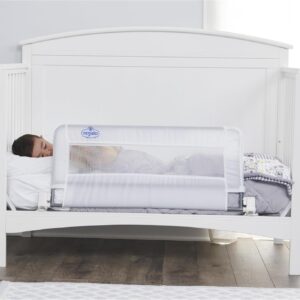
Here are some products for your convenience:









Usually Requested Questions About Toddler Sleep Regression
How prolonged do sleep regressions normally closing?
Most sleep regressions closing between two to six weeks when addressed with fixed strategies. However, size varies primarily based totally on the underlying set off, the child’s temperament, and parental responses. Developmental regressions linked to explicit milestones normally resolve as quickly as the child masters the model new means and the novelty decreases. Regressions that persist previous eight weeks may warrant expert evaluation to rule out underlying factors or assure strategies are appropriately matched to the problem.
Must nap schedules change all through sleep regression?
Often, sustaining the current nap schedule provides useful consistency all through not sure durations. However, some flexibility may be needed if nighttime sleep turns into so disrupted that the toddler genuinely cannot preserve awake all through frequent nap situations. The key is distinguishing between actual overtiredness requiring short-term lodging and behavioral resistance that responds larger to consistency. Most toddlers revenue from sustaining their frequent nap situations and durations besides nighttime sleep disruption is excessive.
Is it relevant to utilize sleep aids like melatonin all through regression?
Sleep aids must solely be used beneath medical supervision after totally different strategies have been persistently tried. Whereas melatonin dietary dietary supplements are usually utilized in pediatric populations, they deal with circadian rhythm factors fairly than behavioral sleep points. Most sleep regressions reply successfully to behavioral and environmental interventions with out drugs. Mom and father considering sleep aids ought to hunt the recommendation of their pediatrician to ensure relevant prognosis and remedy of any underlying factors fairly than masking indicators of standard developmental phases.
Can teething truly set off essential sleep disruption?
Teething may trigger actual discomfort that impacts sleep, considerably when molars are erupting. However, not all sleep disruption all through toddler years outcomes from teething, and attributing every regression solely to teething can forestall identification of various contributing parts. When teething is genuinely inflicting ache, relevant ache administration—acetaminophen or ibuprofen as directed by a pediatrician—can current discount. If ache drugs doesn’t improve sleep, totally different parts are seemingly at play.
What if the sleep regression coincides with a big life change?
Principal transitions—transferring, new siblings, starting childcare—normally set off or intensify sleep regressions on account of they add stress to an already tough developmental interval. All through these situations, sustaining irrespective of consistency is possible turns into way more obligatory. Routines current predictability and security when totally different aspects of life actually really feel not sure. Whereas short-term lodging of elevated nervousness is reasonably priced, sustaining core sleep expectations prevents the transition from creating long-term sleep points.
Must bedtime be moved earlier or later all through regression?
The appropriate course is set by the exact sleep factors occurring. If a toddler fights bedtime for extended durations nevertheless then sleeps successfully as quickly as asleep, bedtime may be too early. Conversely, early morning wakings or elevated night wakings usually level out overtiredness that responds larger to an earlier bedtime. Observing daytime conduct provides clues—excessive crankiness, frequent meltdowns, or falling asleep throughout the automotive counsel overtiredness benefiting from earlier sleep, whereas extreme energy and extended bedtime battles may level out insufficient sleep stress on the current bedtime.
How can dad and mother distinguish between sleep regression and a additional crucial sleep draw back?
Sleep regressions have outlined traits: sudden onset following a interval of fantastic sleep, correlation with developmental milestones, and spine inside two to six weeks with fixed administration. Additional crucial sleep points are inclined to develop repeatedly, persist previous eight weeks, or include concerning indicators like respiratory irregularities, excessive daytime sleepiness no matter adequate time in mattress, or sleep disturbances accompanied by totally different developmental points. When not sure, consulting a pediatrician ensures relevant evaluation and guidance.
Is it larger to answer immediately to nighttime wakings or wait?
The optimum response is set by the child’s age, temperament, and the exact state of affairs. Fast response to actual distress prevents escalation and provides reassurance all through not sure developmental durations. However, some toddlers wake briefly, vocalize, after which return to sleep independently if given different. Mom and father can pause briefly—30-60 seconds—to search out out whether or not or not the child will self-soothe sooner than intervening. The key is consistency: using the similar decision-making course of each night fairly than numerous responses primarily based totally on parental exhaustion or frustration.
Making a Prolonged-Time interval Foundation for Healthful Sleep
Whereas navigating the speedy challenges of toddler sleep regression understandably turns into all-consuming, sustaining perspective on long-term sleep properly being helps dad and mother make decisions that help their child’s rising relationship with sleep.
Healthful sleep habits established all through toddlerhood are inclined to persist all by childhood and even into adolescence. Evaluation persistently demonstrates that children who develop sturdy sleep associations—linking mattress with sleep fairly than with battle—preserve larger sleep top quality all by enchancment. This foundation proves considerably valuable all through later childhood when academic requires enhance and adequate sleep turns into way more important for learning and emotional regulation.
The strategies that effectively deal with sleep regression—consistency, relevant sleep environment, healthful routines, and affected individual responses to setbacks—current valuable frameworks for addressing future sleep challenges. Mom and father who navigate regression durations with evidence-based approaches normally uncover they’ve developed problem-solving talents and persistence that serve them successfully by subsequent developmental phases.
Understanding that sleep regressions characterize common, short-term developmental phases fairly than failures helps dad and mother preserve lifelike expectations. Most kids experience various regressions all through early childhood, and each provides different to refine approaches and assemble resilience. The skills children develop all through these durations—self-soothing, emotional regulation, and perception that people will reply persistently—extend far previous sleep itself.
Conclusion: Shifting By the use of Sleep Regression with Confidence
Toddler Sleep regressions downside even basically probably the most affected individual, well-prepared dad and mother, remodeling beforehand peaceful nights into exhausting battles that check out family sources and emotional reserves. However, understanding that these durations mirror common enchancment fairly than parenting failures or eternal changes helps preserve the angle important to navigate them effectively.
The combination of recognizing warning indicators early, understanding underlying triggers, implementing evidence-based strategies persistently, and avoiding frequent pitfalls that inadvertently lengthen difficulties creates the strongest foundation for transferring by regressions successfully. Whereas no technique eliminates sleep disruption completely all through these developmental phases, relevant responses significantly reduce size and depth whereas stopping creation of current sleep points that outlast the regression itself.
Mom and father must don’t forget that survival usually takes precedence over perfection. All through considerably tough nights, strategies that merely allow everyone to get leisure—even when not ideally suited long-term choices—usually become wanted. The key is returning to fixed, healthful approaches as quickly as speedy catastrophe passes fairly than allowing short-term lodging to become eternal patterns.
Looking for help all through toddler sleep regression durations—from companions, relations, friends, or professionals—provides smart assist and emotional validation that helps dad and mother preserve consistency and persistence. Sleep deprivation significantly impacts judgment, emotional regulation, and bodily properly being, making help strategies considerably valuable all through regression durations.
Most importantly, toddler sleep regressions do end. Whereas throughout the midst of weeks of disrupted sleep, it would presumably actually really feel similar to the state of affairs will not ever improve. However, with relevant strategies and fixed responses, the overwhelming majority of sleep regressions resolve inside 4 to six weeks, with children returning to earlier sleep patterns and even enhancing them. The developmental leaps that shortly disrupt sleep lastly characterize progress and progress, marking obligatory milestones throughout the fascinating journey of early childhood enchancment.
Mom and father who technique sleep regression with knowledge, lifelike expectations, fixed strategies, and self-compassion place themselves to emerge from these tough durations with preserved family sleep properly being and elevated confidence of their means to navigate future developmental challenges. The exhaustion will cross, the skills found will keep, and peaceful nights will return—normally with a toddler who has made excellent developmental strides all through the short-term disruption.

Add Comment