

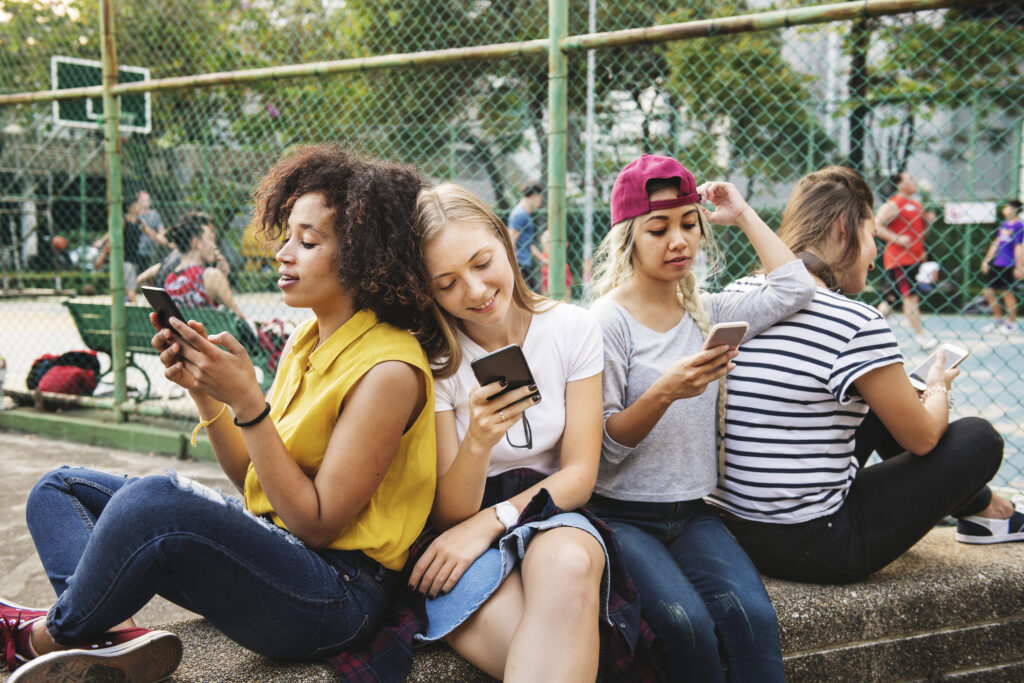
Look around any family home. Often it is quiet. Everyone is on their phone. This is life now. For teenagers, social media is everywhere. It is a big part of the world of kids and social media. It can feel like the whole other world they live in.
It can be both good and bad. Let’s look at the effects of social media on teens. Let’s understand the pros and cons of social media. The goal is to understand how social media affects teens. Parents and teachers need to see both sides.
The Good Side: Why Teens Love It
Social media is popular for a reason. It meets many teenage needs. It feels essential to their social life. Understanding how does social media affect teens starts with seeing the good.
First, it helps them find friends. A teen might feel alone at school. Online, they can find others. They can find people who like the same music or games. This feeling of belonging is very strong. It can be a real lifeline.
It also helps them stay connected. Friends can talk all the time. They share jokes and support. They never have to feel out of touch. It is like a constant chat with their friends. This makes their friendships feel closer.
It lets them be creative. They can make videos. They can share art or music. They can write their thoughts. It is a stage for them to express themselves. They can learn new skills and share them.
Finally, it can be a support system. Some teens have problems. They may feel sad or anxious. Online, they can find people who feel the same. This can make them feel less alone. Knowing others understand is a powerful help.
Their brains also play a role. Getting a “like” feels good. It is a tiny reward. This makes them want to check their phone again and again. It becomes a hard habit to break.
Also Read About: How Social Media Is Affecting Teens’ Mental Health
The Bad Side: The Problems It Causes
But there is a dark side. The social media effects on teens can be serious. The pressure it creates is very real. The negative effects of social media on teens are a major concern.
One big problem is comparison. Teens see everyone’s best moments online. They see perfect photos from holidays. They see happy group pictures. They see people who look perfect. Their own life can feel boring. They can feel ugly or unpopular. This hurts their confidence. It makes them feel they are not good enough. This feeling can be very painful.
Another problem is FOMO. This means “fear of missing out.” They see friends having fun without them. This happens in real-time on their phone. It makes them feel left out and anxious. They feel they must always check their phone. This constant worry is exhausting for them.
Then there is cyberbullying. Bullying used to end after school. Now it follows them home. This is one of the worst social media effects on teens. Mean comments can appear anytime. Nasty messages can be sent. This can happen in their own bedroom. It is very hard to escape. The hurt goes much deeper this way.
Social media also ruins sleep. The light from phones makes it hard to sleep. But the content is also a problem. It is exciting or stressful. Teens stay up late scrolling. They become tired. Tired teens find it harder to learn. They can also become moody. Lack of sleep makes everything worse.

Finally, it can be lonely. Having hundreds of online friends is not the same as one real friend. A “like” is not a hug. Talking online is not like talking in person. They can feel very alone, even with many followers. This loneliness is a quiet and growing problem.
What Can Be Done?
It is not helpful to just ban phones. Teens will see it as unfair. They might hide their online life. A better approach is needed. The focus should be on balance and safety for kids and social media.
Talk to them. Ask simple questions. “What do you like about that app?” “Has anything you saw made you sad?” Listen without getting angry. Be a safe person for them to talk to. This open chat is the first and most important step.
Explain how it works. Tell them that what they see is not real. Photos are often edited. People only show their best moments. The app is designed to keep them watching. Understanding this helps them worry less about the pros and cons of social media.
Set clear rules. No phones at the dinner table. No phones during family time. Charge phones overnight in the kitchen, not the bedroom. This helps them sleep better. It is a very important rule. These rules protect their health and family time.
Read About: Build Confidence In Teens: 10 Proven Ways to Help
Help them have fun offline. Encourage sports, art, or music. Have their friends over to the house. Help them build a life away from the screen. A happy offline life makes the online world less powerful. Real joy comes from real experiences.
Teach them to be kind online. Talk about their digital footprint. Everything they post stays online. Tell them to stand up for others if they see bullying. Being a good person matters on the internet too.
Final Thoughts
Raising teens today is a new challenge. The relationship between kids and social media is complex. The key is balance. It is about teaching them to use it safely. It will not go away, so we must learn to manage it.
The goal is not to build a wall. It is to give them a map. They need to learn how social media affects teens. They need to know their value is not in “likes.” Their true worth is who they are inside.
Helping them with this is a big responsibillity. But with good communication and clear rules, it is possible. They can learn to use social media without letting it use them. Understanding the effects of social media on teens is the first step to a healthier balance for everyone.

Add Comment