Why are indoor activities important for early development? Toddlers are curious, energetic little explorers, and their brains are developing at the speed of light. Outdoor plays are fantastic for their learning, but there are times, whether due to illness, bad weather, or simply due to the safety of kids, when indoor activities become the only option. But staying indoors doesn’t mean you have to compromise your child’s learning. Some right fun indoor games can improve motor skills, spark creativity, strengthen language development, and even encourage social interactions.
Research published in the Journal of Early Childhood Research highlights that structured indoor activities can significantly improve cognitive abilities in children under three. You can enhance this improvement by involving problem-solving, creative expression, and sensory play. Whether you are a parent of an under-2, a preschooler, or a kindergarten child, there is a wealth of indoor educational activities that can make learning exciting.
Also read: Toddler Behavior Management Tips: A Practical, Evidence-Based Guide for Calm, Confident Parenting
1. Indoor Obstacle Courses for Motor Skills
Movement is important for toddlers, especially when they are staying indoors. Fun indoor activities like obstacle courses combine physical activity with problem-solving.
- Set-up: Use cardboard boxes, tunnels, pillows, and masking tape lines on the floor to create paths.
- Why it works: The American Academy of Pediatrics states that active play enhances coordination, balance, and gross motor skills. These things are important for later complex movements like running and swimming.
- Learning twist: Add number cars or color prompts along the way so your toddler learns while moving.
2. Story Time with Interactive Props
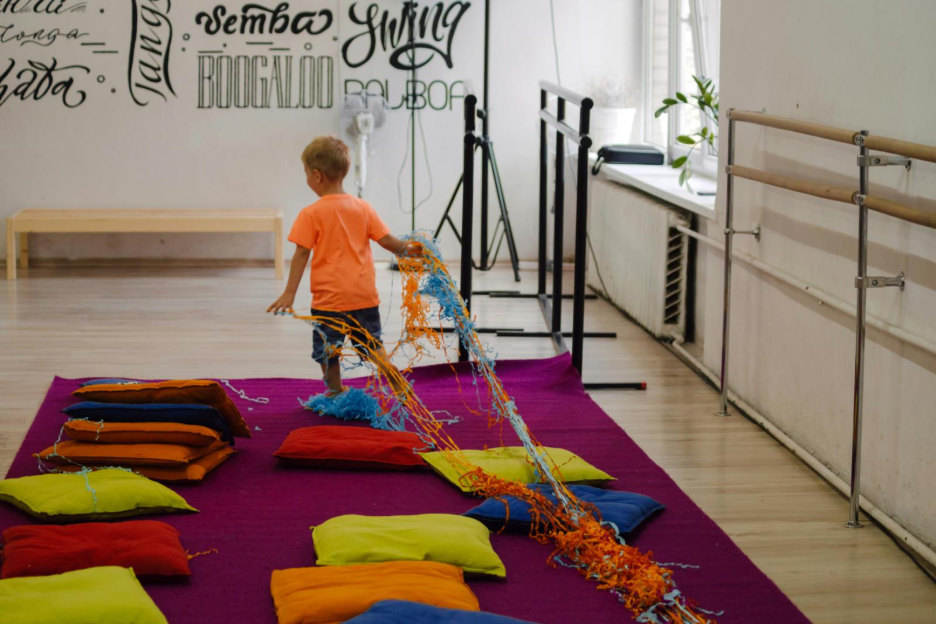
Reading is one of the most impactful indoor educational activities. But adding puppets, props, or felt boards makes it even more engaging.
- Why it works: research from Harvard’s Center on the Developing Child shows that interactive reading strengthens learning skills, language, memory retention, and listening comprehension.
- Activity idea: Read “The Very Hungry Caterpillar” while using felt food pieces to act out the story. This will turn the reading session into a multi-sensory experience.
3. Sensory Bins for Early Learning
Sensory bins are one of the most versatile indoor activities for toddlers under 2 and beyond. This activity involves filling a shallow container with materials like beans, pastas, water beads, or rice, and adding scoops, cups, or other small toys.
- Why it works: According to child development experts at Zero to Three, sensory play helps build nerve connections in the brain. Moreover, it supports problem-solving skills, language development, and fine motor control.
- Learning benefits: pouring, sorting, and scooping different objects enhance hand-eye coordination. Themed sensory bins (e.g., “forest” with green theme and toy animals) introduce new vocabulary.
- Variations: seasonal bins (pumpkin seeds in autumn), texture-focused bins, and color sorting bins with soft and rough material.
4. Indoor gardening for science exploration
You don’t need a big outdoor garden to introduce gardening. Planting seeds in jars or cups can be done on a windowsill.
- Why it works: A study in the Early Childhood Education Journal showed that gardening improves children’s knowledge about biology, ecology, patience, and responsibility.
- Activity idea: Grow-fast sprouting plants like herbs or beans, and let your toddler water and observe their growth daily.
- Learning idea: Teach the life cycle of plants with picture charts.
5. Creative Art Session
Arts help children to explore color, texture, and shape, whether it’s finger painting or recycled crafts.
- Why it works: According to NAEYC (National Association for the Education of Young Children), open-ended art activity fosters decision-making, creativity, and fine motor skills.
- Pro tips: Use edible paints for toddlers under 2 for safe play.
6. Sorting and Matching Games
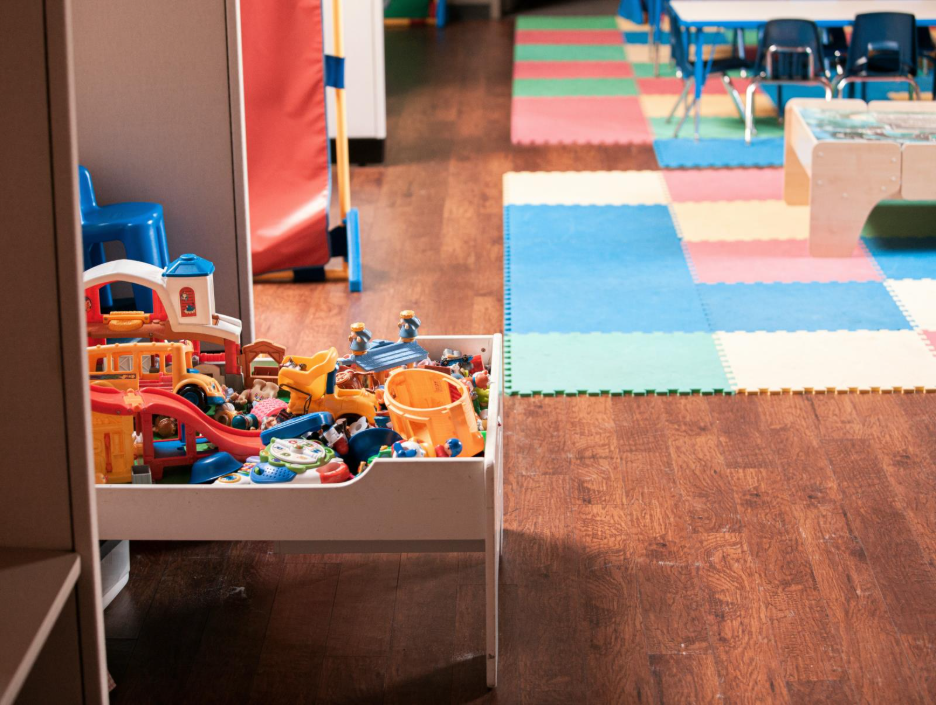
Sorting colors by matching socks or buttons can be proven surprisingly educational.
- Why it works: sorting activities teach classification, an important skill in pre-math, identified by PBS Kids. It’s essential for early STEM learning.
- Variations: use animal figurines, shape cut-outs, or colored poms-poms.
7. Puzzle Play for Problem-Solving
Puzzles, from simple wooden ones to chunky animal pieces, help toddlers develop spatial awareness.
- Why it works: University of Chicago research shows puzzle play improves spatial skills, which are essential for STEM learning.
- Pro tip: For a younger toddler, start with large puzzle pieces to prevent frustration.
8. DIY Music and Rhythm Session
Music is a universal learning tool. DIY instruments like rice-filled shakers or tin can drums can make music time even more entertaining and engaging.
- Why it works: Neuroscientists at McMaster University found that musical activities improve emotional regulation, language learning, and spatial awareness.
- Learning benefits: Clapping to rhythms builds pattern recognition and pre-math skills.
9. Indoor Cooking and Baking with Toddlers
Yes, it’s a messy approach. But it’s also a great learning opportunity.
- Why it works: cooking promotes sensory exploration, boosts confidence, and toddler see their food come to life and even introduce math concepts through measuring.
- Research: according to the Child Development Journal. Shared cooking and baking moments enhance language development and social bonding between parent and child.
10. Dramatic Play Corner
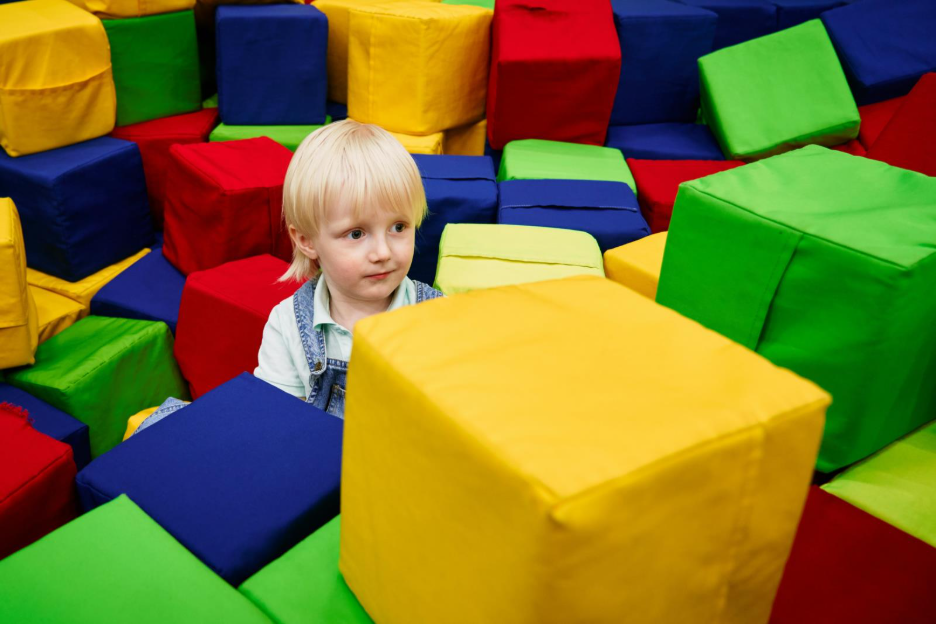
Set up a pretend doctor’s clinic, grocery shop, or kitchen let toddlers role-play different scenarios.
- Why it works: The American Psychological Association emphasizes that pretend play builds social skills, problem-solving techniques, and empathy.
- Learning twist: rotate the theme weekly to keep the excitement alive.
11. Yoga and Mindfulness for Toddlers
Even little ones can benefit from serene and calming activities.
- Why it works: Studies in Frontiers in Psychology show that yoga improves emotional regulation, focus, and body awareness in young children.
- Fun twist: use animal-themed poses to make it playful. Like downward dog and butterfly.
12. Building with Blocks and Magnetic Tiles
From wooden blocks to magnetic construction sets, building play develops engineering and spatial skills.
- Why it works: A study in the Cognition and Development Journal links block play to stronger math and problem-solving abilities later in life and school.
- Pro-tip: challenge your toddler to build “the tallest tower” or “make a bridge for the toy cars”.
13. Indoor Treasure Hunts
A scavenger hunt can be adapted for any age.
- Why it works: It strengthens memory, vocabulary, and observation skills.
- Variations: Color hunts (“Find something red”), shape hunts, or object hunts with simple picture clues for toddlers who can’t read yet.
14. Indoor Science Experiments

Simple experiments, like making baking soda and vinegar volcanoes, can spark curiosity.
- Why it works: According to Education.com, early exposure to hands-on science activities helps children think like scientists, asking “why” and “how.”
- Safety tip: Always supervise and use non-toxic materials.
Final Thoughts:
Indoor play doesn’t have to be a fallback plan with the right activities; it can be an incredible opportunity for growth. From sensory bins to science experiments, each activity supports different aspects of toddler development, from motor skills and creativity to language and problem-solving. The key is variety, patience, and a willingness to embrace a little mess in exchange for big learning gains.
Know about: Common Toddler Illnesses and How to Treat Them at Home
Frequently Asked Questions:
1. Can indoor activities replace outdoor play?
Indoor activities offer many learning benefits, but they should not completely replace outdoor play. Sunlight, physical exercises, and fresh air remain essential for healthy growth.
2. How do I make indoor activities more educational?
To add a learning twist, label objects with words, introduce cause-and-effect questions, and count items aloud during play.
3. How long should a toddler spend on indoor activities each day?
Most toddlers benefit from 2-3 hours of active play spread throughout the day, with indoor activities alternating between quiet and active types to keep them engaged.
4. What are the best indoor activities for a toddler under 2?
Soft block staking, finger painting with edible paint, sensory bins, and simple music sessions work best for young toddlers.
5. Are educational activities okay for toddlers?
The American Academy of Pediatrics recommends minimal screen time for children under 2 and high-quality, co-viewed content for older toddlers.

1 Comment
Add Comment