

Toddlers and young kids tend to catch everything from daycare sniffles to seasonal viruses. It’s completely normal for your kid to get sick now and then. But still, there are some things you, as a parent, can do to boost your child’s immune system naturally. We will tell you how you can improve your little one’s immunity without relying on heavy medicines.
This guide covers toddler immune support, the best immunity-boosting foods for kids, and home remedies to increase child immunity, so your little one stays strong and healthy all year round.
Why Kids Need Immune Support Early On
A child’s immune system continues to develop from the moment they are born. Their bodies are still learning how to fight different bacteria, viruses, and other invaders. So, this is the reason younger kids, especially toddlers, get sick more often.
Even though getting sick occasionally helps your child’s immune system to learn, you can still strengthen their immunity to bounce back to a healthier body faster and get sick less often
Check out: What to Feed a Picky Toddler: 10 Healthy Toddler Meal Ideas
Feed Immunity-Boosting Foods:
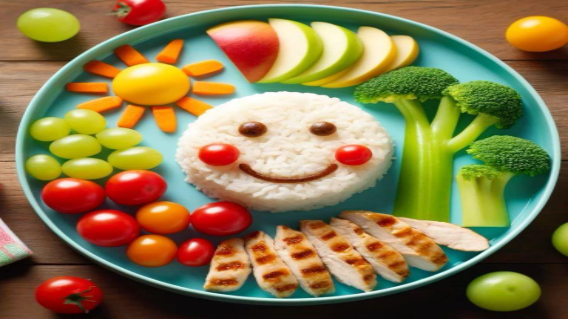
Let’s start with the most natural remedy, nutrition. Some foods act as a natural immunity booster for the body by providing the required nutrients it needs to fight off illness.
Here are some best immunity foods for kids:
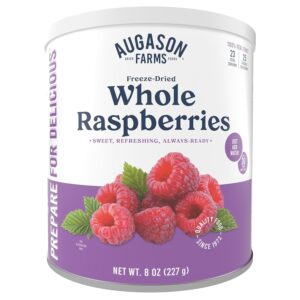
Berries (blueberries, strawberries, raspberries):
Loaded with antioxidants and vitamin C, they help the body defend against infections and reduce inflammation. Add them to oatmeal, smoothies, or yogurt.
Citrus fruits (oranges, lemons, grapefruit):
Excellent sources of vitamin C, which increases the production of white blood cells — the body’s defense against illness. Serve as fresh juice or in fruit salads.
Yogurt with live probiotics:
Supports gut health, where much of the immune system lives. Look for “live and active cultures” on the label and opt for plain yogurt sweetened with fruit or honey (for kids over 1).
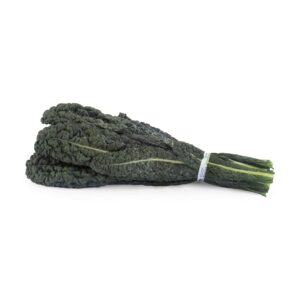
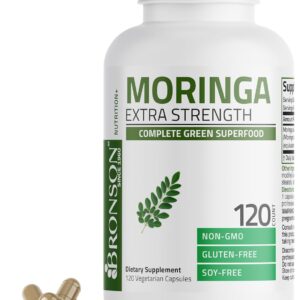
Leafy greens (spinach, kale, moringa):
Rich in iron, folate, and immune-boosting vitamins A, C, and K. You can blend them into soups, sauces, or smoothies for picky eaters.
Sweet potatoes and carrots:
Packed with beta-carotene, which the body turns into vitamin A — essential for keeping mucous membranes (like the nose and throat) healthy.
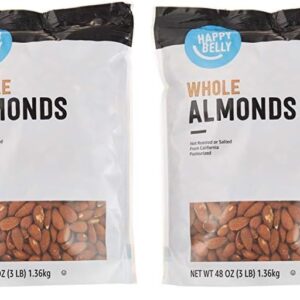
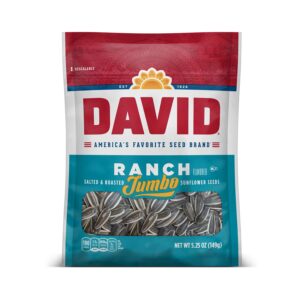
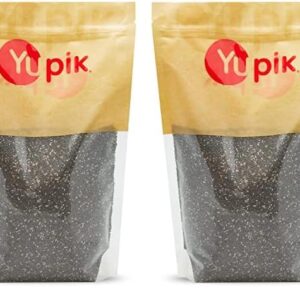
Nuts and seeds (like almonds, sunflower seeds, and chia):
Full of healthy fats, vitamin E, and zinc. These nutrients support immune cell function and overall resilience.
Eggs:
A great source of protein and vitamin D, which is crucial for immune regulation. Hard-boiled or scrambled, they’re toddler-friendly and versatile.
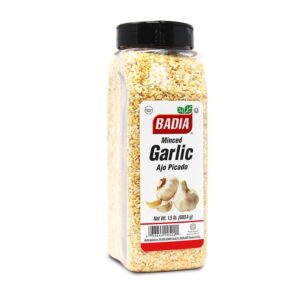
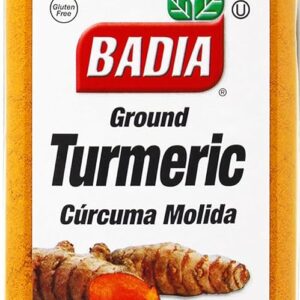
Garlic and turmeric:
Natural anti-inflammatories that help fight bacteria and viruses. Add them to meals like soups or stews in small, kid-safe amounts.
Prioritize Sleep — It’s a Natural Immune Booster
Children who get less rest or sleep are more prone to illness and take more time to recover. Sleep is very important as it is the time the body repairs and strengthens the immune system.
The ideal sleep duration for a toddler (1-3 years) is 11-14 hours per day; this also includes naps. And for preschoolers (3-5 years), 10-13 hours per day.
Create a calming bedtime environment, limit your kid’s screen time, and ensure that your child’s sleep space is cozy, safe, quiet, cool, and dark.
Minimize Sugar and Processed Food:

Too much sugar weakens the strength of the immune system. Treating them with sweets once in a while is okay, but a diet heavy in artificial ingredients, processed food, and sugary drinks can play a major role in making kids vulnerable to infections.
If you do offer sweets often, try to balance them with fiber and protein. Focus on giving whole foods, nuts, fruits, and homemade snacks.
Keep Their Hands and Toys Clean:
Toddlers are naturally curious to touch random surfaces, toys, and even their faces. So, it’s better to teach them proper handwashing and to clean their frequently used toys daily. This plays a big part in preventing the spread of germs and infections.
Keep in mind, it’s not just about eating healthy food; hygiene matters too. Make cleanliness fun rather than a chore for your child. Sing a handwash song or use colorful soaps to make it enjoyable.
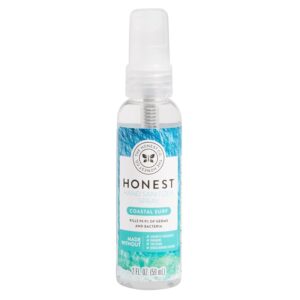
Here is a small tip too: Keep hand sanitiser (at least 60% alcohol) handy for on-the-go situations. Don’t forget to supervise its use with toddlers!
Use Simple Home Remedies to Increase Child Immunity:
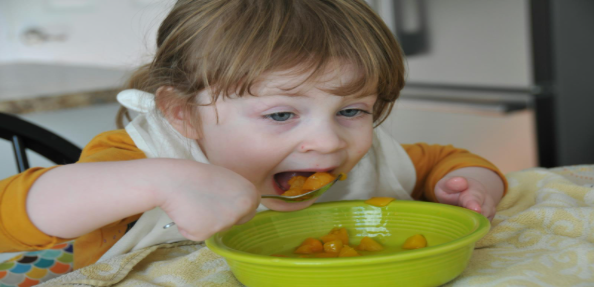
There are many natural and effective remedies that you can try at home, and with simple ingredients, to boost your child’s immune system.
Home remedies for immunity support:
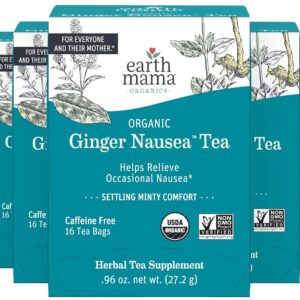
Ginger tea or soups:
Ginger is anti-inflammatory and is effective in fighting off infections. Ginger tea is available in markets, or you can add fresh slices to warm water or broth.
Honey and lemon in warm water:
Suitable for children over 1 year of age. Provide antioxidants that support the immune system and also soothe sore throats.
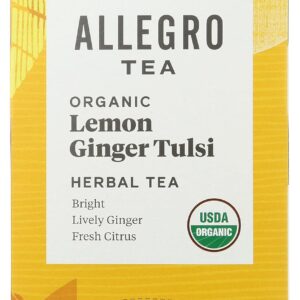
Tulsi (holy basil) water:
Tulsi supports respiratory health and immune balance. Boil a few leaves in water and offer it in small amounts to your kid.
Turmeric milk:
A small pinch of turmeric in warm milk, also called golden milk, can boost inflammation and boost overall immunity.
Reduce Your Kid’s Stress:
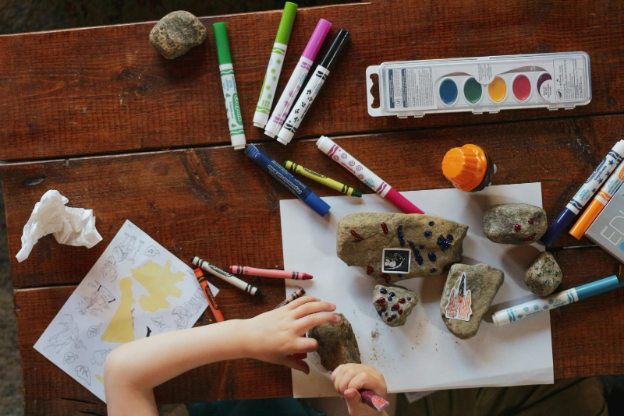
Sometimes, even kids need to unwind, too. Stress lowers immunity in both adults and kids. Children may not face work stress or deadlines, but things like starting school, family changes, or even overplaying can trigger anxiety.
Help your kid relax with:
- Creativity and playtime.
- Talking about emotions and validating their feelings.
- Routine and structure in their daily lives.
- Gentle exercises like yoga, swimming, or dancing.
Read about: How to Encourage Healthy Eating Habits in Kids
Frequently Asked Questions:
1. Do kids need supplements for immune support?
Mostly, kids get the required nutrients from their healthy food. However, if your child is a picky eater or has any kind of deficiency, a pediatrician may recommend some supplements like vitamin D or probiotics.
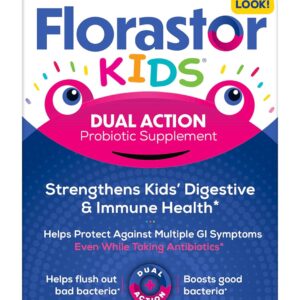
2. Are probiotics good for kids’ immune systems?
Yes, probiotics strengthen the gut, which is closely related to immunity. Yogurt with child-safe probiotic supplements or live cultures can be beneficial.
3. How often do kids need sunlight or vitamin D?
Sunlight exposure mostly depends on skin tone and location. But 20-23 minutes of sun exposure on arms and face, a few times a week, is often enough. Vitamin D-rich food or supplements can help too.
4. What are the signs of a weak immune system in children?
Frequent infections or disease, digestive problems, slow wound healing, and constant fatigue signal weak immunity. If your child is constantly showing these signs, consult the doctor.
5. Can breastfeeding improve a child’s immunity?
Yes, breast milk includes many nutrients, white blood cells, and antibodies that strengthen your child’s immunity, especially in the first 6 months.
Boosting your child’s immunity, like other processes, isn’t a magic pill or overnight solution. Consistency is important, along with other small steps like a healthy diet, cleanliness, and your support and care for your child. You are not only preventing your child from sickness but also building habits that ensure lifelong health.


Add Comment